
Snoring, Enlarged Tonsils, and Acid Reflux: Understanding the Relationship
Snoring is a common issue that affects millions of people around the world. While it may seem like a harmless annoyance, snoring can actually be a sign of a more serious underlying health condition. In some cases, snoring may be related to enlarged tonsils and acid reflux, creating a trifecta of health concerns that can significantly impact one’s quality of life. In this blog post, we will delve deeper into the relationship between snoring, enlarged tonsils, and acid reflux, and how understanding this connection can lead to better treatment and management of these conditions.
What is Snoring?
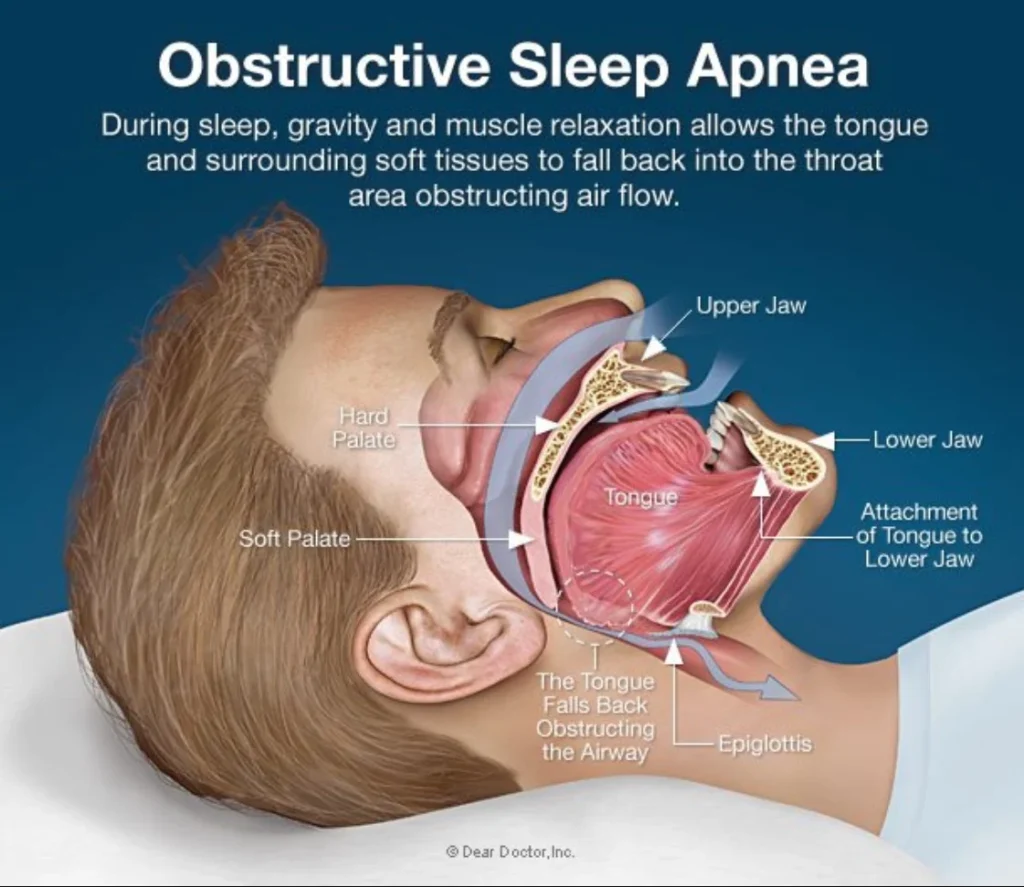
Snoring is a loud and harsh sound that occurs during sleep when the airway becomes partially blocked. This happens when the muscles in the throat relax, causing the soft tissues in the back of the throat to vibrate as air passes through. Snoring can range from mild to severe and can be a chronic issue for some individuals. While snoring is often seen as a nuisance to those who share a bed with a snorer, it can also be a symptom of a more serious condition.
Enlarged Tonsils and Snoring
Enlarged tonsils, also known as tonsillitis, is a condition where the tonsils become inflamed and swollen. The tonsils are two small glands located at the back of the throat and are part of the immune system. When they become enlarged, they can obstruct the airway and contribute to snoring. This is especially common in children, as their tonsils are still developing and can become enlarged due to frequent infections or allergies.
Aside from snoring, enlarged tonsils can also lead to other symptoms such as difficulty swallowing, sore throat, and bad breath. If left untreated, enlarged tonsils can also cause sleep apnea, a serious sleep disorder where breathing repeatedly stops and starts during sleep. This is because the enlarged tonsils can block the airway and make it difficult to breathe properly.
Acid Reflux and Snoring
Acid reflux, also known as gastroesophageal reflux disease (GERD), is a digestive disorder where stomach acid flows back into the esophagus. This can cause a burning sensation in the chest known as heartburn. While occasional acid reflux is common, chronic acid reflux can lead to more severe complications, including damage to the esophagus.
Snoring, Enlarged Tonsils, and Acid Reflux: Understanding the Relationship
The relationship between acid reflux and snoring lies in the position of the body during sleep. When lying down, the stomach acid can more easily flow back into the esophagus, causing acid reflux symptoms. This can also irritate the throat and cause the muscles to relax, leading to snoring. Additionally, acid reflux can also cause inflammation in the throat, making it more difficult for air to pass through and contributing to snoring.
How Snoring, Enlarged Tonsils, and Acid Reflux are Related
While snoring, enlarged tonsils, and acid reflux may seem like three separate issues, they are actually closely related. Enlarged tonsils can obstruct the airway and cause snoring, and acid reflux can also contribute to snoring by irritating the throat and causing the muscles to relax. This relationship can create a vicious cycle, as snoring can also aggravate acid reflux symptoms, leading to more snoring.
Moreover, these three conditions can also have a significant impact on one’s overall health. Snoring can disrupt sleep patterns and lead to fatigue, irritability, and difficulty concentrating. Enlarged tonsils can cause difficulty breathing and swallowing, while acid reflux can lead to chest pain and damage to the esophagus. This can greatly affect one’s quality of life and should not be ignored.
Treatment and Management
The first step in treating snoring, enlarged tonsils, and acid reflux is to identify the underlying cause. For snoring related to enlarged tonsils, a tonsillectomy (removal of the tonsils) may be recommended. This can help improve breathing and reduce snoring. For acid reflux, lifestyle changes such as avoiding trigger foods, eating smaller meals, and elevating the head while sleeping can help reduce symptoms. In more severe cases, medication or surgery may be necessary.
In some cases, treating one condition may also help alleviate symptoms of the others. For example, treating acid reflux may reduce throat inflammation and improve snoring. However, it is important to consult a medical professional for proper diagnosis and treatment recommendations.
In addition to medical treatment, some lifestyle changes can also help manage these conditions. Maintaining a healthy weight, avoiding alcohol and tobacco, and practicing good sleep habits can all contribute to reducing snoring, enlarged tonsils, and acid reflux symptoms.
Summary:
Snoring, enlarged tonsils, and acid reflux may seem like three separate issues, but they are actually closely related. Enlarged tonsils can obstruct the airway and contribute to snoring, while acid reflux can irritate the throat and cause muscles to relax, also leading to snoring. This relationship can create a vicious cycle and significantly impact one’s quality of life. Treatment and management of these conditions involve identifying the underlying cause and may include medical treatment, lifestyle changes, and proper diagnosis from a medical professional.