
Blog Post: How to Stop Snoring and Prevent Sinusitis
Snoring is a common problem that affects many people, and while it may seem harmless, it can actually be a sign of a more serious underlying issue such as sinusitis. Sinusitis is a condition that causes inflammation of the sinuses, leading to symptoms like congestion, headaches, and difficulty breathing. If left untreated, sinusitis can lead to further complications and affect your overall health. In this blog post, we will discuss ways to stop snoring and prevent sinusitis, so you can enjoy a good night’s sleep and maintain good sinus health.
Understanding Snoring and Sinusitis
Before we dive into the solutions, it’s important to understand what causes snoring and sinusitis. Snoring occurs when the airway is obstructed during sleep, causing vibrations in the throat and producing the familiar snoring sound. This obstruction can be caused by several factors, including excess weight, alcohol consumption, and sleeping on your back. Sinusitis, on the other hand, is caused by inflammation and swelling in the sinus cavities, which can be triggered by allergies, infections, or structural issues in the nasal passages.
How to Stop Snoring
1. Maintain a Healthy Weight
Being overweight can contribute to snoring as excess fat around the neck can put pressure on the airway, making it harder for air to flow freely. By maintaining a healthy weight, you can reduce the risk of snoring and improve your overall health.
2. Avoid Alcohol Before Bed
Alcohol is a known relaxant that can cause the muscles in the throat to relax, leading to snoring. Avoiding alcohol consumption before bed can help reduce snoring and improve sleep quality.
3. Change Your Sleeping Position
Sleeping on your back can cause the tongue to fall back and obstruct the airway, leading to snoring. Instead, try sleeping on your side to keep the airway open. You can also use a body pillow to keep you in a side-sleeping position.
4. Use Nasal Strips
Nasal strips are adhesive strips that can be placed on the nose to help open up the nasal passages, making it easier to breathe and reducing snoring. These strips are readily available at most drugstores and can be an effective solution for snoring.
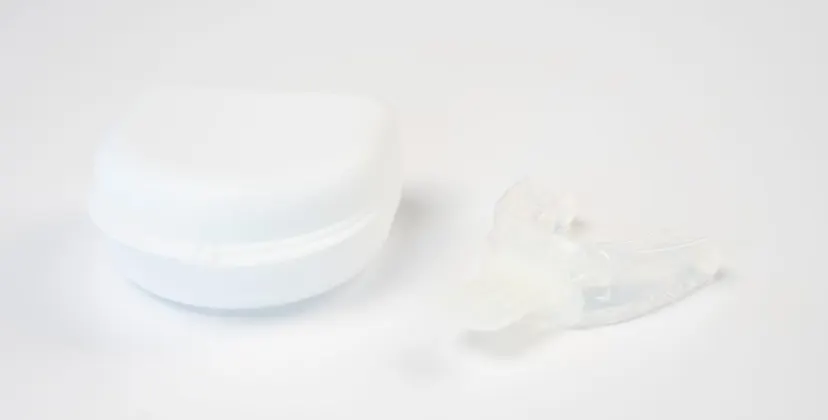
How to Stop Snoring and Prevent Sinusitis
5. Try a Humidifier
Dry air can irritate the nasal passages and lead to congestion, making snoring worse. Using a humidifier can add moisture to the air and reduce congestion, making it easier to breathe and reducing snoring.
How to Prevent Sinusitis
1. Keep Your Sinuses Clear
If you have a cold or allergies, it’s important to keep your sinuses clear by using a saline nasal spray or a neti pot. These methods can help flush out any irritants and prevent inflammation in the sinuses.
2. Manage Allergies
Allergies can trigger sinusitis, so it’s important to manage them effectively. This can include avoiding allergens, taking allergy medication, and keeping your living environment clean.
3. Stay Hydrated
Drinking plenty of water can help thin out mucus and prevent congestion in the sinuses. It’s recommended to drink at least eight glasses of water a day to maintain good sinus health.
4. Use a Warm Compress
Applying a warm compress to the sinus area can help reduce inflammation and ease congestion. You can use a warm washcloth or a microwavable heat pack for this purpose.
5. Practice Good Hygiene
Washing your hands frequently and avoiding close contact with people who have a cold or other respiratory infections can help prevent sinusitis. It’s also important to regularly clean surfaces that are frequently touched, such as doorknobs and keyboards.
In addition to these tips, it’s important to seek medical treatment if you experience frequent sinus infections or severe snoring. Your doctor may recommend medications or other treatments to help manage these conditions.
Summarizing the Blog Post
In summary, snoring and sinusitis are common issues that can affect your sleep and overall health. To stop snoring, you can try maintaining a healthy weight, avoiding alcohol before bed, changing your sleeping position, using nasal strips, and using a humidifier. To prevent sinusitis, it’s important to keep your sinuses clear, manage allergies, stay hydrated, use a warm compress, and practice good hygiene. Seeking medical treatment may also be necessary for severe cases. By following these tips, you can improve your breathing and sleep quality, while also preventing sinusitis.