
Sinusitis, or inflammation of the sinus cavities, can be a major hindrance to a good night’s sleep. From nasal congestion and difficulty breathing to snoring and disrupted sleep patterns, sinusitis can have a significant impact on the quality and duration of your sleep. In this blog post, we will explore the various ways sinusitis can affect your sleep and offer tips on how to break the snoring cycle for a better night’s rest.
The Impact of Sinusitis on Your Sleep:
1. Nasal Congestion and Difficulty Breathing:
One of the most common symptoms of sinusitis is nasal congestion. When the sinus cavities become inflamed, they can become blocked, making it difficult to breathe through your nose. This can lead to mouth breathing, which can cause snoring and disrupt your sleep. Additionally, the congestion can also make it challenging to fall asleep and stay asleep, resulting in frequent awakenings throughout the night.
2. Snoring:
Sinusitis can also contribute to snoring, which can disturb not only your sleep but also your partner’s. As mentioned earlier, nasal congestion can cause mouth breathing, which can lead to snoring. Additionally, the inflammation in the sinus cavities can also cause the tissues in the throat to vibrate, resulting in snoring. Snoring can disrupt your sleep and prevent you from getting the restorative rest you need, leaving you feeling tired and groggy the next day.
3. Disrupted Sleep Patterns:
Sinusitis can significantly impact your sleep patterns. The nasal congestion and snoring caused by sinusitis can disturb your sleep, leading to frequent awakenings throughout the night. This can result in a disrupted sleep cycle, preventing you from getting the deep, restful sleep your body needs to function correctly. Over time, this can lead to daytime fatigue, irritability, and difficulty concentrating.
Breaking the Snoring Cycle:
While sinusitis can have a significant impact on your sleep, there are ways to break the snoring cycle and get the rest you need.
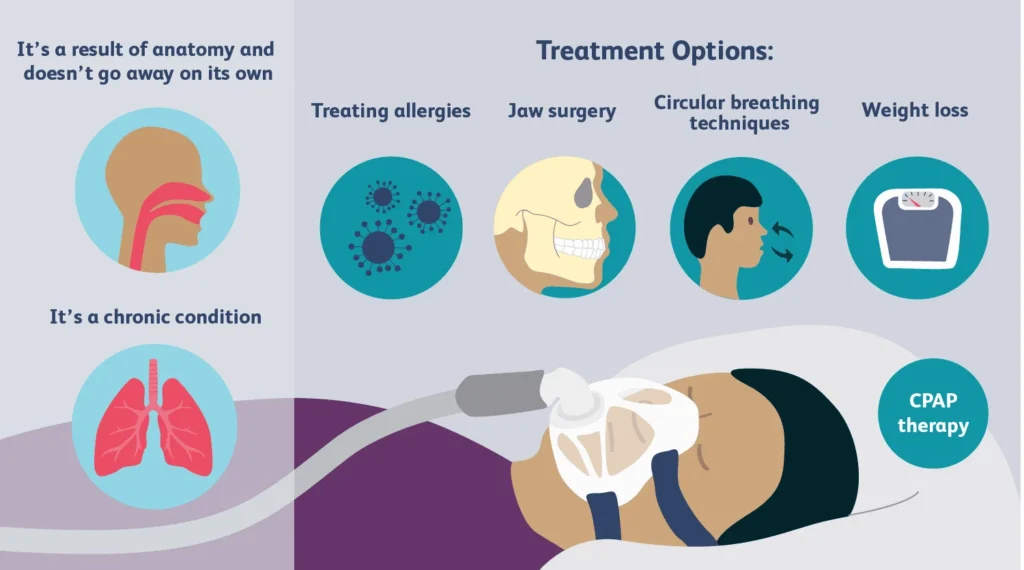
The Impact of Sinusitis on Your Sleep: Breaking the Snoring Cycle
1. Use a Humidifier:
Using a humidifier in your bedroom can help alleviate congestion and make it easier to breathe. Dry air can irritate the sinus cavities, making the inflammation worse. A humidifier adds moisture to the air, which can help soothe your sinuses and improve your breathing, reducing snoring.
2. Elevate Your Head:
Elevating your head while sleeping can help keep your airways open and reduce snoring. When your head is flat, the tissues in your throat can relax and block your airways, causing snoring. Elevating your head with an extra pillow can help keep the airways clear and reduce snoring.
3. Try Nasal Strips:
Nasal strips are adhesive strips that you can place on the bridge of your nose to help open up your nasal passages. These strips work by pulling your nostrils open, allowing for better airflow. They can be a helpful tool for those suffering from sinusitis and snoring.
4. Use a Neti Pot:
A Neti pot is a small teapot-like device used to rinse the nasal passages with a saline solution. This can help remove mucus and irritants from the sinuses, providing relief from congestion and improving breathing. Using a Neti pot before bed can help alleviate sinusitis symptoms and reduce snoring.
5. Seek Medical Treatment:
If your sinusitis is severe and impacting your sleep, it’s essential to seek medical treatment. Your doctor may prescribe antibiotics or other medications to help reduce inflammation and alleviate symptoms. If necessary, they may also recommend seeing an ENT specialist for further treatment options.
In conclusion, sinusitis can have a significant impact on your sleep, leading to nasal congestion, snoring, and disrupted sleep patterns. However, by following the tips mentioned above and seeking medical treatment, you can break the snoring cycle and get the restful sleep you need for optimal health and well-being.