
Summary:
Smoking is a dangerous habit that can have a significant impact on your health. Not only does it increase your risk of developing serious diseases such as lung cancer and heart disease, but it can also worsen your snoring. In this blog post, we will explore how smoking can contribute to snoring and how it can negatively affect your overall health.
We all know that smoking is harmful to our respiratory system. The chemicals in cigarettes can irritate and damage the delicate tissues in our throat and lungs, making it difficult for us to breathe properly. This irritation can lead to inflammation and swelling of the throat, causing the airway to become narrower. As a result, the air passing through the throat becomes more turbulent, leading to snoring.
But how exactly does smoking worsen snoring? Firstly, smoking can cause the airways to become congested, making it harder for air to flow freely. This congestion can create a vacuum effect, causing the soft tissues in the throat to collapse and vibrate, resulting in snoring. Additionally, the toxins in cigarettes can weaken the muscles and tissues in the throat, making them more prone to collapsing and obstructing the airway.
Moreover, smoking can also lead to the development of sleep apnea, a serious sleep disorder where a person’s breathing repeatedly stops and starts during sleep. This is because smoking can cause inflammation and swelling in the upper airway, making it more likely for the airway to collapse during sleep. Sleep apnea not only causes loud snoring but can also lead to other health problems, including high blood pressure, heart disease, and stroke.
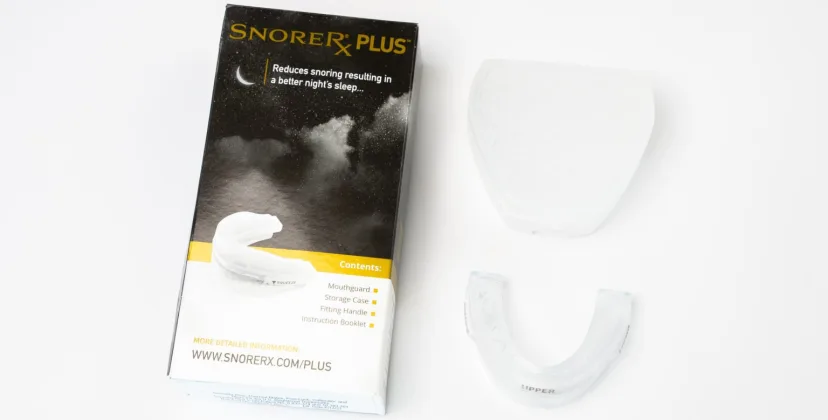
The Silent Killer: How Smoking Can Worsen Your Snoring and Health
Aside from worsening snoring, smoking can also have a negative impact on your overall health. The chemicals in cigarettes can damage your respiratory system, increasing your risk of developing chronic obstructive pulmonary disease (COPD), a group of lung diseases that make it difficult to breathe. Smoking can also damage your heart and blood vessels, increasing your risk of heart attack and stroke.
Furthermore, smoking can also affect the quality of your sleep. Nicotine, a highly addictive chemical found in cigarettes, can disrupt your sleep pattern and make it difficult for you to fall asleep. This can lead to sleep deprivation, which can have a detrimental effect on your physical and mental health. Sleep deprivation can also make snoring worse, as it can cause the muscles in the throat to relax more, leading to louder and more frequent snoring.
Quitting smoking is the best way to improve your snoring and overall health. By quitting, you can reduce the inflammation in your airways, making it easier for air to flow through. This can significantly reduce snoring and improve your quality of sleep. Not to mention, quitting smoking can also lower your risk of developing serious health problems, such as lung cancer, heart disease, and stroke.
In addition to quitting smoking, there are other lifestyle changes and remedies that can help reduce snoring. Maintaining a healthy weight, avoiding alcohol and sedatives before bedtime, and sleeping on your side instead of your back can all help reduce snoring. There are also various anti-snoring devices and mouthpieces available that can help keep the airway open and reduce snoring.
In conclusion, smoking is not only harmful to your overall health, but it can also worsen your snoring. The chemicals in cigarettes can damage your respiratory system, leading to congestion and inflammation in the airways, making snoring more likely. Quitting smoking is the best way to improve your snoring and overall health. By making lifestyle changes and seeking appropriate treatments, you can reduce snoring and improve your quality of sleep.