
Blog Post:
Snoring and acid reflux are two common issues that can greatly affect a person’s quality of life. Not only can they lead to disrupted sleep and daytime fatigue, but they can also have serious consequences on overall health. Snoring occurs when the airway becomes partially blocked during sleep, causing the tissues in the throat to vibrate and create a loud, disruptive sound. Acid reflux, on the other hand, is a condition where stomach acid backs up into the esophagus, causing a burning sensation in the chest and throat. While these two issues may seem unrelated, they can often go hand in hand and exacerbate each other. In this blog post, we will discuss some tips for combating snoring and acid reflux, so you can get a good night’s sleep and improve your overall health.
1. Maintain a Healthy Weight
Obesity is a major risk factor for both snoring and acid reflux. Excess body weight can put pressure on the airway, making it more likely to collapse during sleep and cause snoring. It can also contribute to acid reflux by putting pressure on the stomach and causing the contents to be pushed up into the esophagus. Therefore, maintaining a healthy weight can help reduce the severity of both snoring and acid reflux. Incorporating regular exercise and a healthy diet into your lifestyle can help you achieve and maintain a healthy weight, reducing the symptoms of these two issues.
2. Elevate Your Head While Sleeping
Lying flat on your back can worsen both snoring and acid reflux. Gravity can cause the tissues in your throat to relax and block the airway, leading to snoring. It can also allow stomach acid to flow up into the esophagus, causing acid reflux. To combat this, try elevating your head while sleeping. This can be achieved by using a wedge pillow or by propping up the head of your bed with blocks or books. Elevating your head can help keep the airway open and prevent acid from flowing back up, reducing both snoring and acid reflux.
3. Avoid Alcohol and Smoking
Alcohol and smoking are known to contribute to both snoring and acid reflux. Alcohol relaxes the muscles in the throat, making it more likely for the airway to collapse and cause snoring. It can also irritate the lining of the esophagus, leading to acid reflux. Smoking, on the other hand, can cause inflammation and irritation in the throat, increasing the likelihood of snoring and acid reflux. Therefore, it is best to avoid alcohol and smoking, especially close to bedtime, to help reduce the symptoms of these two issues.
4. Use Nasal Strips or a Mouthguard
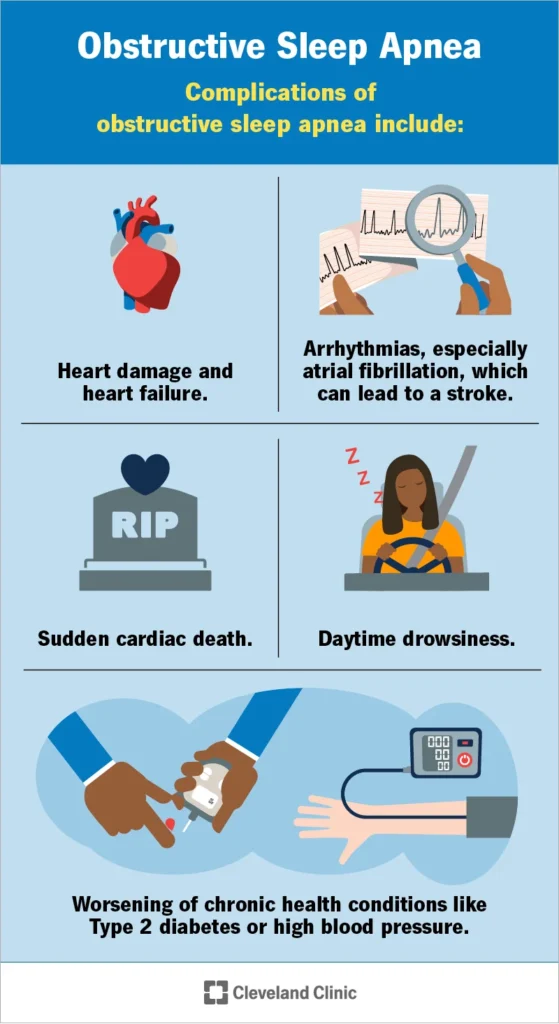
Tips for Combating Snoring and Acid Reflux
Nasal strips and mouthguards are two simple and non-invasive solutions for snoring. Nasal strips work by opening up the nasal passages, allowing for easier breathing and reducing the chances of snoring. Mouthguards, on the other hand, work by holding the jaw in a slightly forward position, which can also help keep the airway open and prevent snoring. These devices can be purchased over the counter and can be a helpful tool in combating snoring.
5. Eat Smaller Meals and Avoid Trigger Foods
Large meals and certain trigger foods can contribute to acid reflux. Eating a large meal close to bedtime can cause the stomach to be overly full, increasing the likelihood of acid reflux. Additionally, foods that are spicy, fatty, or acidic can also trigger acid reflux. To combat this, try eating smaller meals throughout the day and avoiding trigger foods. This will help keep the stomach from being too full and reduce the chances of acid reflux.
6. Try Natural Remedies
There are many natural remedies that can help reduce both snoring and acid reflux. For snoring, you can try using a humidifier in your bedroom to keep the air moist and reduce throat irritation. You can also try using essential oils, such as peppermint or eucalyptus, to open up the airways and improve breathing. For acid reflux, ginger has been shown to have anti-inflammatory properties and can help alleviate symptoms. Additionally, apple cider vinegar can help neutralize stomach acid and reduce the chances of acid reflux.
7. Consult a Doctor
If snoring and acid reflux are significantly impacting your quality of life, it is best to consult a doctor. They can provide a proper diagnosis and recommend treatments that may be more effective for your specific case. They may also suggest lifestyle changes or prescribe medication to help manage these issues.
In conclusion, snoring and acid reflux can greatly affect your sleep and overall health. By following these tips, you can combat these issues and improve your quality of life. Remember to maintain a healthy weight, elevate your head while sleeping, avoid alcohol and smoking, use nasal strips or mouthguards, eat smaller meals and avoid trigger foods, try natural remedies, and consult a doctor if needed. With these strategies, you can get a good night’s sleep and reduce the symptoms of snoring and acid reflux.
Summary:
Snoring and acid reflux are two common issues that can have a significant impact on a person’s quality of life. They are often related and can exacerbate each other. To combat these issues, it is important to maintain a healthy weight, elevate your head while sleeping, avoid alcohol and smoking, use nasal strips or mouthguards, eat smaller meals and avoid trigger foods, try natural remedies, and consult a doctor if necessary. These tips can help reduce the severity of snoring and acid reflux, allowing you to get a good night’s sleep and improve your overall health.