
Snoring and sleep apnea are two common sleep-related issues that can have a significant impact on one’s health and well-being. From disturbed sleep to daytime fatigue and increased risk of cardiovascular problems, the consequences of these conditions can be severe. While there are numerous treatment options available, one surprising method that has been gaining popularity is nasal irrigation.
Nasal irrigation, also known as nasal rinsing or nasal wash, is a technique that involves using a saline solution to flush out the nasal passages. It has been used for centuries in traditional medicine to alleviate various respiratory issues, including sinus congestion and allergies. However, recent studies have shown that nasal irrigation can also be beneficial for snoring and sleep apnea. In this blog post, we will explore the surprising benefits of nasal irrigation for these two conditions.
1. Clearing the Nasal Passages
One of the primary causes of snoring and sleep apnea is the obstruction of the nasal passages. When these passages are blocked, it can lead to difficulty breathing, which results in snoring and apnea episodes. Nasal irrigation can help clear out any mucus, allergens, or irritants that may be blocking the nasal passages, allowing for better airflow and reducing snoring and apnea episodes.
Moreover, nasal irrigation can also help to reduce inflammation and swelling in the nasal passages, which can also contribute to snoring and sleep apnea. By keeping the nasal passages clear and reducing inflammation, nasal irrigation can help improve breathing and reduce the severity of snoring and apnea.
2. Reducing Sinus Congestion
Sinus congestion is a common problem that can lead to snoring and sleep apnea. When the sinuses are congested, they can put pressure on the nasal passages, making it harder to breathe through the nose. This can result in mouth breathing, which can increase the risk of snoring and sleep apnea.
Nasal irrigation can help reduce sinus congestion by flushing out any mucus or irritants that may be causing the congestion. The saline solution used in nasal irrigation has a decongestant effect, helping to shrink swollen tissues and open up the sinuses. By reducing sinus congestion, nasal irrigation can improve nasal breathing and reduce snoring and sleep apnea.
3. Moisturizing the Nasal Passages
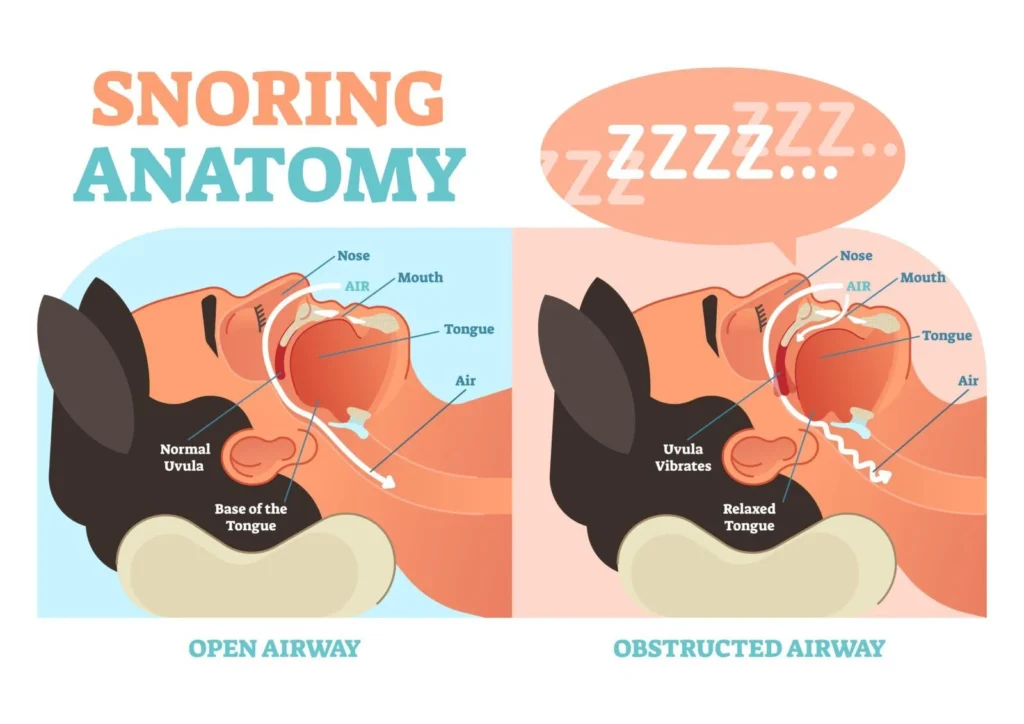
The Surprising Benefits of Nasal Irrigation for Snoring and Sleep Apnea
Dry nasal passages can also contribute to snoring and sleep apnea. When the nasal passages are dry, they are more likely to become irritated and inflamed, making it harder to breathe. Nasal irrigation can help to moisturize the nasal passages, keeping them hydrated and reducing the risk of irritation and inflammation.
Furthermore, the saline solution used in nasal irrigation has antimicrobial properties, which can help to prevent infections in the nasal passages. This is especially beneficial for those who suffer from allergies or have a weakened immune system, as they are more susceptible to sinus infections. By keeping the nasal passages moisturized and clean, nasal irrigation can improve overall respiratory health and reduce the risk of infections.
4. Improving Sleep Quality
Snoring and sleep apnea can significantly impact one’s sleep quality, leading to daytime fatigue, irritability, and decreased productivity. By reducing snoring and apnea episodes, nasal irrigation can help improve sleep quality, allowing individuals to wake up feeling more rested and energized.
Moreover, nasal irrigation can also help improve the effectiveness of other sleep apnea treatments, such as CPAP therapy. By keeping the nasal passages clear and moisturized, it can enhance the flow of air through the nose and improve the overall effectiveness of CPAP therapy.
5. Cost-Effective and Non-Invasive Treatment
Another significant benefit of nasal irrigation is that it is a cost-effective and non-invasive treatment option for snoring and sleep apnea. Unlike other treatments that may involve medications or surgeries, nasal irrigation only requires a saline solution and a nasal irrigation device, which can be purchased at a relatively low cost.
Furthermore, nasal irrigation is a non-invasive treatment, making it a safer option for those who may not be suitable for other treatments. It does not have any side effects and can be used in combination with other treatments, making it a versatile and effective option for managing snoring and sleep apnea.
In conclusion, nasal irrigation is a surprising but effective treatment option for snoring and sleep apnea. By clearing the nasal passages, reducing sinus congestion, moisturizing the nasal passages, and improving sleep quality, it can provide numerous benefits for those suffering from these conditions. It is a cost-effective and non-invasive treatment option that can be used in combination with other treatments or on its own. If you or a loved one suffers from snoring or sleep apnea, consider trying nasal irrigation and experience the surprising benefits for yourself.
Meta Description: Discover the surprising benefits of nasal irrigation for snoring and sleep apnea. From clearing the nasal passages to improving sleep quality, nasal irrigation can provide relief for these conditions. Learn more in this blog post.