
Blog Post:
Menopause is a natural and inevitable part of a woman’s life, signaling the end of her reproductive years. While this transition can bring about many changes in a woman’s body, one of the most commonly experienced symptoms is snoring. Yes, you read that right – menopausal snoring is a real thing. It may sound strange, but it is a common issue that many women face during this phase of their life.
There are various reasons why menopausal women are more prone to snoring. Hormonal changes, weight gain, and overall aging of the body are some of the primary factors that contribute to snoring. In this blog, we will dive deep into the truth about menopausal snoring and provide tips on how to stop it.
What Causes Menopausal Snoring?
During menopause, the body goes through a significant decrease in estrogen levels, which can lead to a range of changes, including weight gain. As women age, they tend to accumulate fat in their neck and throat area, which can narrow the airway and cause snoring. Additionally, the decrease in estrogen can also result in a loss of muscle tone in the throat, making it easier for the throat tissues to collapse and cause snoring.
Another factor that contributes to menopausal snoring is the decrease in progesterone levels. Progesterone helps to relax the muscles, including the muscles in the throat, which can lead to a blockage in the airway and cause snoring.
The Truth About Menopausal Snoring
While snoring may seem like a harmless annoyance, it can have serious consequences. Menopausal snoring can disrupt sleep patterns and cause fatigue and irritability during the day. It can also lead to more severe health issues such as high blood pressure, heart disease, and stroke.
Moreover, snoring can also affect your partner’s sleep quality and cause strain in relationships. Many women may feel embarrassed or ashamed of their snoring, leading to a decrease in self-esteem and confidence.
How to Stop Menopausal Snoring
There is no one-size-fits-all solution for menopausal snoring as the underlying causes may vary from woman to woman. However, here are some tips that can help you reduce or even stop snoring during menopause.
1. Maintain a Healthy Weight
As mentioned earlier, weight gain is one of the primary contributors to menopausal snoring. Therefore, it is essential to maintain a healthy weight to reduce the risk of snoring. A well-balanced diet and regular exercise can help you shed excess pounds and keep your airway clear.
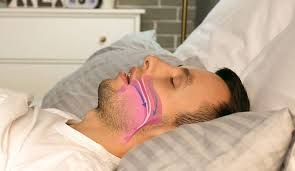
The Truth About Menopausal Snoring and How to Stop It
2. Stay Hydrated
Drinking plenty of water can help keep your nasal passages and throat lubricated, reducing the chances of snoring. Aim to drink at least eight glasses of water a day to stay hydrated.
3. Avoid Alcohol and Sedatives
Alcohol and sedatives can relax the muscles in the throat, making it easier for them to collapse and cause snoring. Avoid consuming these substances close to bedtime to reduce the risk of snoring.
4. Try Sleeping on Your Side
Sleeping on your back can cause your tongue to fall back and block your airway, leading to snoring. Try sleeping on your side to keep your airway open and reduce snoring.
5. Use a Humidifier
Dry air can irritate your airway and cause snoring. Using a humidifier in your bedroom can help keep the air moist and reduce snoring.
6. Seek Medical Help
If your snoring persists despite trying these tips, it is essential to consult a doctor. They can help identify any underlying health issues that may be causing your snoring and provide appropriate treatment.
In conclusion, menopausal snoring is a common issue that many women face, but it should not be ignored. By understanding the underlying causes and implementing the tips mentioned above, you can effectively reduce or even stop snoring during menopause and improve your overall health and well-being.
Summary:
Menopausal snoring is a common issue that many women face due to hormonal changes, weight gain, and aging. It can disrupt sleep patterns, cause fatigue and irritability, and even lead to more severe health issues. However, by maintaining a healthy weight, staying hydrated, avoiding alcohol and sedatives, sleeping on your side, using a humidifier, and seeking medical help, women can effectively reduce or stop snoring during menopause.