
Blog post:
Snoring is a common problem that affects millions of people worldwide. Not only does it disrupt your own sleep, but it can also disturb your partner’s sleep and lead to relationship problems. While there are various methods and devices available to help reduce snoring, one often overlooked solution is sleeping on an incline. In this blog post, we will discuss the benefits of sleeping on an incline for snoring and provide tips on how to train yourself to sleep in this position.
Why Sleep on an Incline for Snoring?
Before we dive into the tips for training yourself to sleep on an incline, let’s first understand why this position can help reduce snoring. Snoring occurs when the soft tissues in the back of your throat relax and vibrate, causing the familiar snoring sound. Sleeping on an incline can help alleviate this by keeping your airways open and reducing the chances of the soft tissues vibrating. In addition, sleeping on an incline can also help with other health issues such as acid reflux and sleep apnea.
Tips for Training Yourself to Sleep on an Incline
1. Start with a gradual incline
If you’re used to sleeping on a flat surface, suddenly jumping to a steep incline can be uncomfortable and difficult to adjust to. Instead, start with a gradual incline by propping up your pillows or using a wedge pillow. This will help your body get used to the new position slowly.
2. Use a wedge pillow
Wedge pillows are specifically designed to help you sleep on an incline. They are shaped like a triangle and can be placed under your head and shoulders to elevate them. Wedge pillows are available in different sizes and materials, so you can choose one that suits your needs and preferences.
3. Elevate the head of your bed
If you prefer not to use a wedge pillow, you can also elevate the head of your bed by placing blocks or risers under the bed legs. This will create a gradual incline and is a more permanent solution than using pillows.
4. Try different positions
Sleeping on your back is often associated with snoring, so try sleeping on your side or stomach to see if it helps reduce your snoring. If you find it difficult to maintain these positions, you can also try using a body pillow to keep you in place.
5. Be patient and consistent
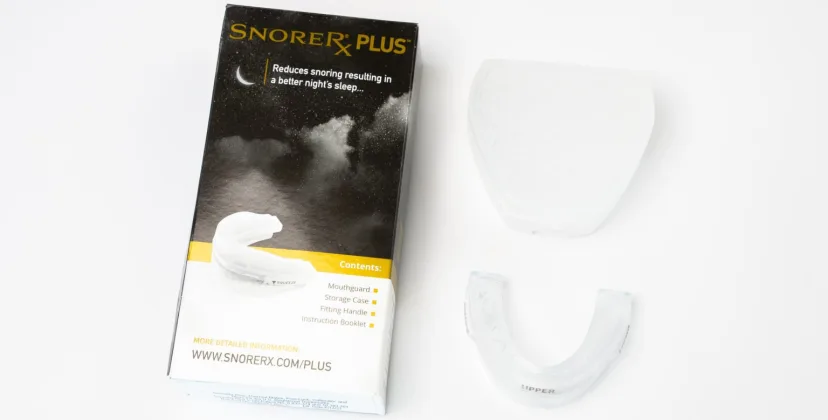
How to Train Yourself to Sleep on an Incline to Stop Snoring
Training yourself to sleep on an incline may take some time and patience. It’s important to be consistent and stick with it, even if it feels uncomfortable at first. Over time, your body will get used to the new position, and you may even find it more comfortable than sleeping on a flat surface.
Other Tips for Reducing Snoring
While sleeping on an incline can be an effective solution for snoring, it’s also important to address any underlying issues that may be causing your snoring. Here are a few additional tips to help reduce snoring:
1. Maintain a healthy weight
Being overweight or obese can increase your chances of snoring as it can lead to excess tissue in the throat. Maintaining a healthy weight through a balanced diet and regular exercise can help reduce snoring.
2. Avoid alcohol and sedatives before bed
Alcohol and sedatives can relax the muscles in your throat, making snoring more likely. Try to avoid consuming these substances before bedtime.
3. Keep your nasal passages clear
Nasal congestion can make it difficult to breathe through your nose, leading to snoring. Use a saline nasal spray or a neti pot to keep your nasal passages clear.
4. Quit smoking
Smoking irritates the tissues in your throat and can lead to inflammation and snoring. Quitting smoking can have a positive impact on your overall health and reduce snoring.
5. Consult a doctor
If your snoring is severe and affecting your quality of life, it’s best to consult a doctor. They can help identify any underlying medical conditions that may be causing your snoring and provide appropriate treatment.
Summary:
Snoring can be a disruptive and frustrating problem, but sleeping on an incline can be an effective solution. By keeping your airways open and reducing the chances of tissue vibration, sleeping on an incline can help reduce snoring. To train yourself to sleep on an incline, start with a gradual incline, use a wedge pillow or elevate the head of your bed, try different positions, and be patient and consistent. Additionally, maintaining a healthy weight, avoiding alcohol and sedatives, keeping your nasal passages clear, quitting smoking, and consulting a doctor can also help reduce snoring.