
Pregnancy is a beautiful and exciting time for expecting mothers and their partners. However, it can also come with its fair share of challenges, one of which is dealing with snoring. Snoring is a common issue that affects many pregnant women, and it can be frustrating and disruptive for their partners. In this blog post, we will discuss the causes of snoring during pregnancy, the potential risks, and effective ways for partners to deal with snoring.
Causes of Snoring During Pregnancy
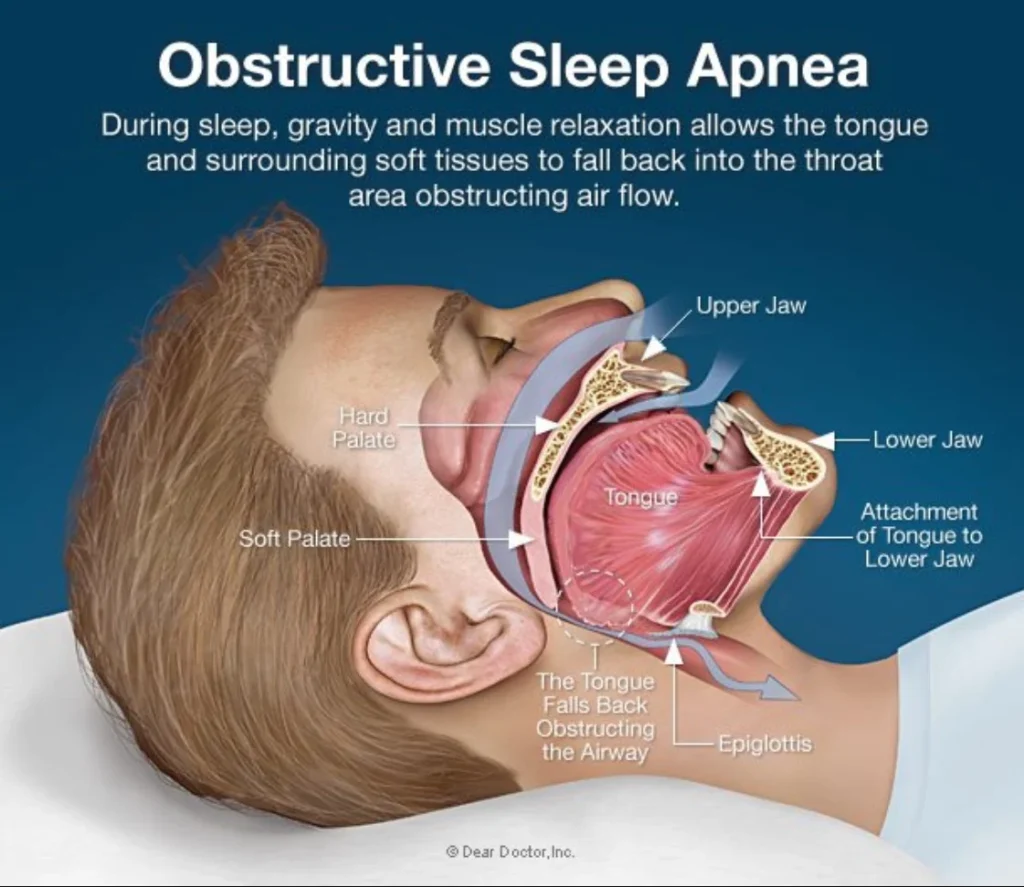
There are several reasons why pregnant women may experience snoring. The most common cause is hormonal changes, which can lead to an increase in the production of mucus in the nasal passages, making it difficult to breathe. Additionally, the weight gain and pressure from the growing uterus can also contribute to snoring as it can narrow the airways. Furthermore, pregnancy can also cause relaxation of the throat muscles, leading to vibrations and snoring.
Potential Risks of Snoring During Pregnancy
While snoring may seem like a harmless issue, it can have potential risks for both the pregnant woman and her partner. Snoring can lead to poor sleep quality, which can affect the mother’s energy levels and overall well-being. It can also increase the risk of developing high blood pressure and gestational diabetes. For the partner, snoring can lead to sleep disturbances, which can affect their sleep quality and overall health.
Effective Ways to Deal with Snoring
As a partner of a pregnant woman who snores, it is essential to be patient and understanding. Snoring is not a voluntary action and can be challenging to control. Here are some practical and effective ways to deal with snoring during pregnancy.
1. Encourage Side Sleeping
Sleeping on the back can worsen snoring as it puts pressure on the airways. Encourage your partner to sleep on her side, as this can help reduce snoring and improve breathing. You can also consider investing in a pregnancy pillow to provide support and make side sleeping more comfortable.
Dealing with Snoring as a Pregnant Partner
2. Use Nasal Strips
Nasal strips are adhesive strips that are placed on the nose to widen the nasal passages, making it easier to breathe. They are safe to use during pregnancy and can be an effective solution for snoring. However, it is essential to consult with a doctor before using nasal strips.
3. Try a Humidifier
A humidifier adds moisture to the air, which can help reduce snoring by keeping the airways lubricated. It can also help with congestion and dryness, which are common during pregnancy. However, make sure to clean the humidifier regularly to prevent the growth of bacteria and mold.
4. Consider a Mouthpiece
Mouthpieces are dental devices that can help keep the airways open during sleep, reducing snoring. They are custom-made and can be an effective solution for snoring during pregnancy. However, it is crucial to consult with a dentist before using a mouthpiece, as some may not be suitable for pregnant women.
5. Seek Medical Advice
If snoring is severe and affecting the pregnant woman’s quality of life, it is essential to seek medical advice. The doctor can determine the underlying cause of snoring and provide appropriate treatment. They may also recommend a sleep study to assess the severity of snoring and rule out any underlying sleep disorders.
In conclusion, snoring is a common issue that many pregnant women face, and it can be challenging for their partners. However, by understanding the causes and potential risks of snoring during pregnancy, and implementing practical solutions, it is possible to deal with snoring effectively. Remember to be patient and supportive, and consult with a doctor if snoring becomes severe. Pregnancy is a beautiful journey, and with proper care and support, it can be enjoyed by both partners.
Summary:
Snoring is a common issue that affects many pregnant women, and it can be frustrating and disruptive for their partners. The main causes of snoring during pregnancy include hormonal changes, weight gain, and relaxation of throat muscles. Snoring can have potential risks for both the pregnant woman and her partner, such as poor sleep quality and an increased risk of health issues. Partners can deal with snoring by encouraging side sleeping, using nasal strips, using a humidifier, considering a mouthpiece, and seeking medical advice if necessary. By understanding the causes and implementing practical solutions, it is possible to manage snoring during pregnancy and support the expecting mother.