
Pregnancy is an exciting and transformative time in a woman’s life. However, it also brings about many physical changes and challenges, one of which is snoring. Many pregnant women experience snoring, which can be disruptive and uncomfortable for both the expecting mother and her partner. In this blog post, we will discuss the causes of snoring during pregnancy, its potential impact on both the mother and baby, and ways to find relief for you and your partner.
Causes of Snoring During Pregnancy:
Snoring during pregnancy is typically caused by the increase in hormones, weight gain, and changes in the respiratory system. The hormone progesterone, which helps relax the muscles in the body, can also relax the muscles in the throat, causing them to collapse and obstruct the airway. This obstruction results in snoring. Additionally, the weight gain during pregnancy can put pressure on the airway, making it difficult to breathe properly. As the baby grows, it can also push against the diaphragm, causing further breathing difficulties.
Effects on the Mother and Baby:
Snoring can have a significant impact on the mother’s overall well-being during pregnancy. It can lead to disrupted sleep, resulting in fatigue, irritability, and difficulty concentrating. This can also increase the risk of developing conditions such as gestational diabetes and preeclampsia. Moreover, snoring can also cause discomfort in the throat and mouth, leading to a sore throat, dry mouth, and even tooth decay.
For the baby, snoring can affect their oxygen supply, which is essential for their growth and development. It can lead to low birth weight and other complications during delivery. In some cases, snoring can also be a sign of a more serious condition called sleep apnea, which has been linked to preterm birth and other health issues for both the mother and baby.
Finding Relief for You and Your Partner:
Fortunately, there are ways to find relief from snoring during pregnancy for both you and your partner. Here are some tips to help you both get a good night’s sleep:
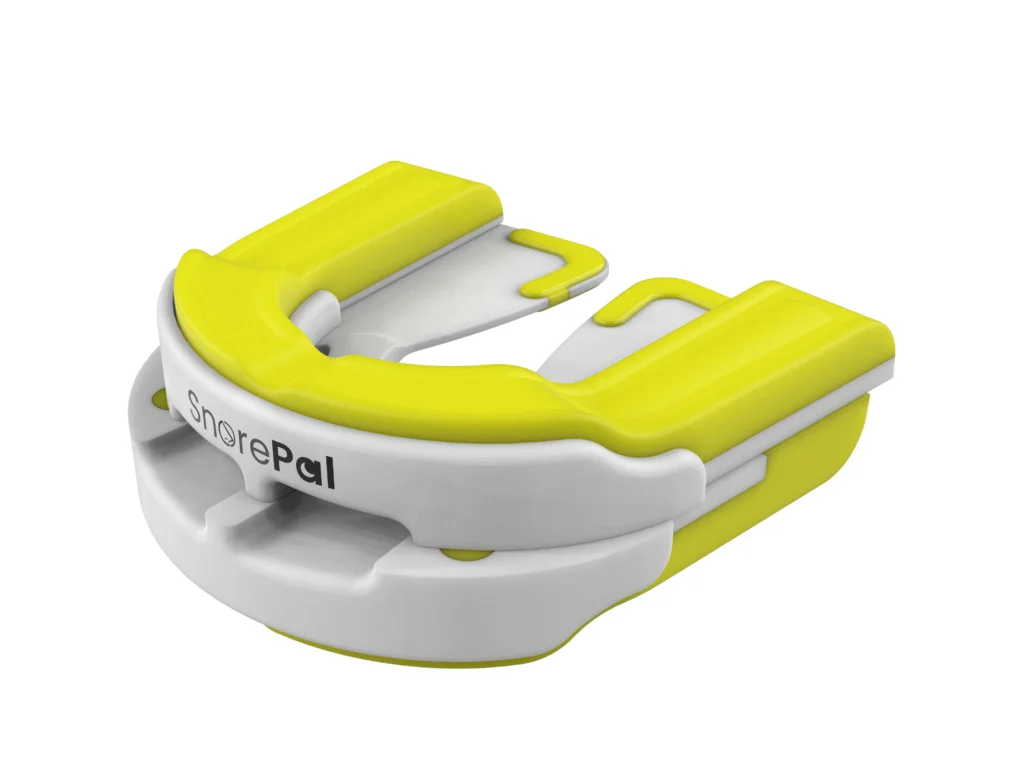
Pregnant and Snoring: Finding Relief for You and Your Partner
1. Sleep on Your Side: Sleeping on your back can worsen snoring during pregnancy. Instead, try sleeping on your side with a pillow between your knees to keep your airways open.
2. Elevate Your Head: Using extra pillows to elevate your head can also help reduce snoring. This position can help keep your airways open and improve your breathing.
3. Stay Hydrated: Drinking plenty of water can help keep your nasal passages and throat moist, reducing the chances of snoring.
4. Use a Humidifier: Dry air can irritate your nasal passages and throat, leading to snoring. Using a humidifier in your bedroom can help keep the air moist and reduce snoring.
5. Try Nasal Strips: Nasal strips can help open up your nasal passages, making it easier to breathe and reducing snoring.
6. Avoid Triggers: Certain triggers such as smoking, alcohol, and sedatives can worsen snoring. It is best to avoid these substances during pregnancy to improve your breathing and reduce snoring.
7. Consult a Doctor: If snoring persists or becomes severe, it is essential to consult your doctor. They can help determine if you have sleep apnea or any other underlying condition that may be causing snoring.
In conclusion, snoring during pregnancy is a common and often temporary issue that can be managed with some lifestyle changes and remedies. By following the tips mentioned above, you and your partner can find relief and enjoy a better night’s sleep. Remember to consult your doctor if snoring persists or becomes severe for proper diagnosis and treatment.