
Pregnancy is a beautiful and transformative experience for women, but it also comes with its challenges. One of the most common issues that pregnant women face is snoring. While snoring may seem like a minor annoyance, it can actually have a significant impact on the health of expectant mothers. In this blog post, we will explore the relationship between snoring and maternal health during pregnancy.
First, let’s understand what snoring is and why it happens. Snoring is the loud, hoarse sound that occurs when air flows through narrowed airways during sleep. This could be due to various reasons such as congestion, allergies, or anatomical issues like a deviated septum. During pregnancy, women experience hormonal changes that can cause swelling in the nasal passages, making it difficult to breathe through the nose. This can lead to snoring, which can worsen as the pregnancy progresses.
The Impact of Snoring on Maternal Health
Snoring can have a range of effects on an expectant mother’s health, both physically and mentally. Let’s take a closer look at some of the ways snoring can impact maternal health during pregnancy.
1. Sleep Disturbance
One of the most immediate effects of snoring is sleep disturbance. The loud noises can disrupt both the snorer’s sleep and their partner’s sleep, leading to poor sleep quality. This can result in daytime fatigue, irritability, and difficulty concentrating. For pregnant women, who already experience fatigue and hormonal changes, snoring can make it even more challenging to get the rest they need.
2. Health Complications for the Mother
Snoring can also lead to various health complications for the expectant mother. The lack of quality sleep can weaken the immune system, making pregnant women more susceptible to illnesses. It can also increase the risk of developing conditions like gestational diabetes and high blood pressure. In severe cases, snoring can even lead to heart problems and stroke, which can be dangerous for both the mother and the baby.
3. Risk of Sleep Apnea
Pregnancy can also increase the risk of developing sleep apnea, a sleep disorder characterized by pauses in breathing during sleep. Snoring is one of the primary symptoms of sleep apnea, and it can worsen during pregnancy due to the natural weight gain and changes in hormone levels. Sleep apnea can be dangerous during pregnancy as it can reduce the oxygen supply to the baby and increase the risk of preterm birth.
4. Impact on Fetal Development
The effects of snoring during pregnancy are not limited to the mother; it can also impact the development of the unborn baby. The lack of sleep and oxygen can affect the baby’s growth and development, leading to low birth weight and other complications. Snoring can also increase the risk of stillbirth and infant mortality.
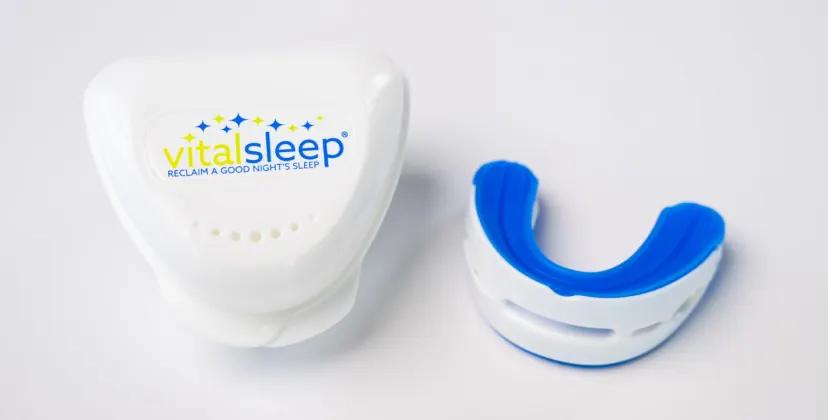
The Impact of Snoring on Maternal Health During Pregnancy
Prevention and Treatment of Snoring during Pregnancy
While snoring can be a common occurrence during pregnancy, there are ways to prevent and treat it. Here are some tips that can help reduce snoring and promote better sleep for expectant mothers.
1. Sleep on Your Side
Sleeping on your back can worsen snoring as it causes the tongue to fall back and block the airway. Sleeping on your side can help keep the airway open and reduce snoring. You can also try using a pregnancy pillow to support your body and keep you in a side-sleeping position.
2. Stay Hydrated
Drinking plenty of water can help thin out the mucus in your nose and throat, making it easier to breathe. It can also help reduce nasal congestion, which can contribute to snoring.
3. Use Nasal Strips or Sprays
Nasal strips and sprays can help open up your nasal passages, making it easier to breathe and reducing snoring. However, it is essential to consult with your doctor before using any medication or products during pregnancy.
4. Seek Medical Advice
If snoring persists and is affecting your quality of life, it is essential to seek medical advice. Your doctor can evaluate the cause of your snoring and provide appropriate treatment options. They may also recommend a sleep study to diagnose any underlying sleep disorders.
In conclusion, snoring may seem like a minor issue, but it can have a significant impact on maternal health during pregnancy. It is essential to address snoring and take steps to prevent and treat it to ensure a healthy pregnancy and delivery. If you are experiencing snoring during pregnancy, consult with your doctor and follow the tips mentioned above to promote better sleep and overall health for you and your baby.
SEO metadata: