
Blog Post: The Impact of Snoring on Your Dental Health
Snoring is a common problem that affects millions of people around the world. While it may seem like just a nuisance, snoring can actually have a significant impact on your overall health, including your dental health. In this blog post, we will explore the various ways in which snoring can affect your dental health and what you can do to mitigate these effects.
What is Snoring?
Before we dive into the impact of snoring on dental health, let’s first understand what snoring actually is. Snoring is a sound that occurs when air flows through your throat as you breathe while sleeping. It is caused by the vibration of tissues in the back of your throat, including the soft palate, uvula, and tongue. Snoring can range from mild to severe and can be caused by a variety of factors, such as genetics, allergies, and lifestyle habits.
The Link Between Snoring and Dental Health
While snoring itself may not seem like a dental issue, it can have a significant impact on your oral health. Here are some ways in which snoring can affect your dental health:
1. Dry Mouth
Snoring can cause your mouth to dry out, as the constant flow of air can dry out the saliva in your mouth. Saliva plays a crucial role in keeping your mouth clean and healthy by neutralizing acids and washing away food particles. When your mouth is dry, the bacteria in your mouth can thrive, leading to bad breath, tooth decay, and gum disease.
2. Teeth Grinding
Snoring can also lead to teeth grinding, also known as bruxism. When you snore, your jaw muscles are tensed, and your teeth may grind together as you sleep. This can cause wear and tear on your teeth, leading to sensitivity, cracks, and even tooth loss. Bruxism can also cause pain in your jaw, neck, and shoulders.
3. Jaw Misalignment
Chronic snoring can also affect the alignment of your jaw. As you sleep, your jaw may shift in response to your tongue and soft tissues blocking your airway. Over time, this can lead to misalignment of your jaw, causing pain and discomfort in your jaw joint, also known as temporomandibular joint disorder (TMJ).
4. Gum Disease
Snoring can also increase your risk of gum disease. The vibrations from snoring can cause damage to your gum tissue, making it easier for bacteria to enter and cause inflammation. If left untreated, gum disease can lead to tooth loss and other serious health issues.
5. Sleep Apnea
One of the most significant impacts of snoring on dental health is its link to sleep apnea. Sleep apnea is a sleep disorder characterized by pauses in breathing or shallow breathing while sleeping. Snoring is one of the most common symptoms of sleep apnea, and if left untreated, it can have serious consequences for your overall health, including an increased risk of heart disease, stroke, and diabetes.
The Impact of Snoring on Your Dental Health
What Can You Do?
If you suffer from chronic snoring, it is essential to address the issue to protect your dental health. Here are some steps you can take:
1. Consult with a Dentist
If you snore regularly, it is crucial to consult with your dentist. They can examine your mouth and throat and determine if any dental issues may be contributing to your snoring. They may also recommend a sleep study to rule out sleep apnea.
2. Practice Good Oral Hygiene
Maintaining good oral hygiene is crucial for preventing dental issues caused by snoring. Be sure to brush your teeth at least twice a day and floss daily to keep your mouth clean and free of bacteria.
3. Use a Mouthguard
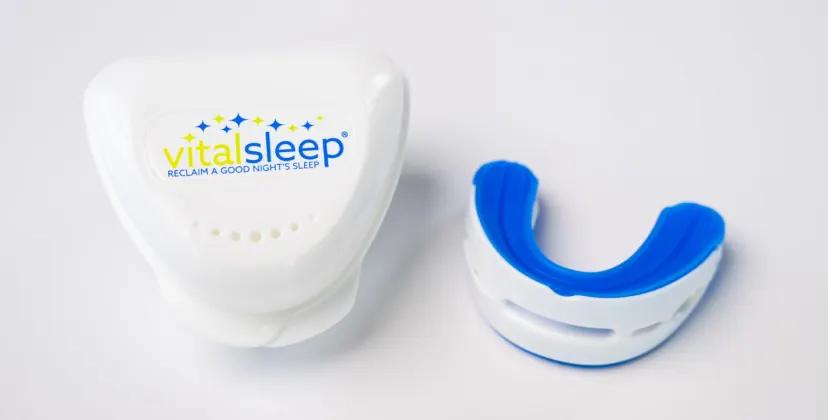
If you grind your teeth while sleeping, your dentist may recommend a mouthguard. This device is worn over your teeth and helps to protect them from the effects of teeth grinding.
4. Consider a CPAP Machine
If you have sleep apnea, your doctor may recommend a continuous positive airway pressure (CPAP) machine. This device delivers air pressure through a mask to keep your airway open while you sleep, reducing snoring and preventing pauses in breathing.
5. Try Lifestyle Changes
Making lifestyle changes such as losing weight, quitting smoking, and avoiding alcohol before bedtime can also help reduce snoring.
Take Care of Your Dental Health
Snoring may seem like a minor issue, but it can have a significant impact on your dental health. By taking steps to address snoring, you can protect your teeth and gums and improve your overall health. Remember to consult with your dentist if you have any concerns about snoring or other dental issues.
Summary:
Snoring is a common problem that can have a significant impact on your dental health. It can cause dry mouth, teeth grinding, jaw misalignment, gum disease, and even sleep apnea. To mitigate these effects, it is crucial to consult with a dentist, practice good oral hygiene, use a mouthguard, consider a CPAP machine, and make lifestyle changes. By taking care of your snoring, you can protect your dental health and improve your overall well-being.