
Snoring is a common problem that affects millions of people around the world. It is characterized by loud, hoarse breathing sounds that occur during sleep. While occasional snoring may not be a cause for concern, chronic snoring can be a sign of underlying health issues and can also disrupt the quality of sleep for both the snorer and their sleep partner. Many factors can contribute to snoring, including lifestyle habits such as diet, exercise, and stress. In recent years, researchers have also started exploring the role of caffeine in snoring. In this blog post, we will delve into the science behind snoring and examine the relationship between caffeine consumption and snoring.
Understanding Snoring:
Before we dive into the role of caffeine in snoring, it is essential to understand the basics of snoring. Snoring occurs when the flow of air through the mouth and nose is obstructed during sleep. This obstruction can be caused by several factors, including:
1. Narrow airways: Some people naturally have narrower airways, which can lead to snoring.
2. Sleep position: Sleeping on your back can cause the tongue to fall back and obstruct the airway, leading to snoring.
3. Age: As we age, our muscles and tissues in the throat tend to relax, which can contribute to snoring.
4. Nasal congestion: Any blockages in the nasal passages, such as allergies or a deviated septum, can cause snoring.
5. Lifestyle habits: Smoking, alcohol consumption, and obesity can all contribute to snoring.
The Role of Caffeine in Snoring:
Caffeine is a stimulant that is found in a variety of beverages, including coffee, tea, soda, and energy drinks. It is known to increase alertness and improve cognitive function, making it a popular choice for many people to start their day. However, caffeine can also have some adverse effects, including disrupting sleep patterns.
When consumed, caffeine stimulates the central nervous system and increases the production of adrenaline, which can lead to a temporary boost in energy and alertness. However, this also causes the muscles in the throat to relax, which can narrow the airways and increase the likelihood of snoring. In addition, caffeine can also irritate the lining of the throat, causing inflammation and leading to further obstruction of the airway.
Research on Caffeine and Snoring:
Several studies have been conducted to explore the relationship between caffeine and snoring. A study published in the Journal of Clinical Sleep Medicine found that caffeine consumption was associated with a 42% increase in the likelihood of snoring. The study also showed that caffeine intake was linked to a 31% increase in the severity of snoring.
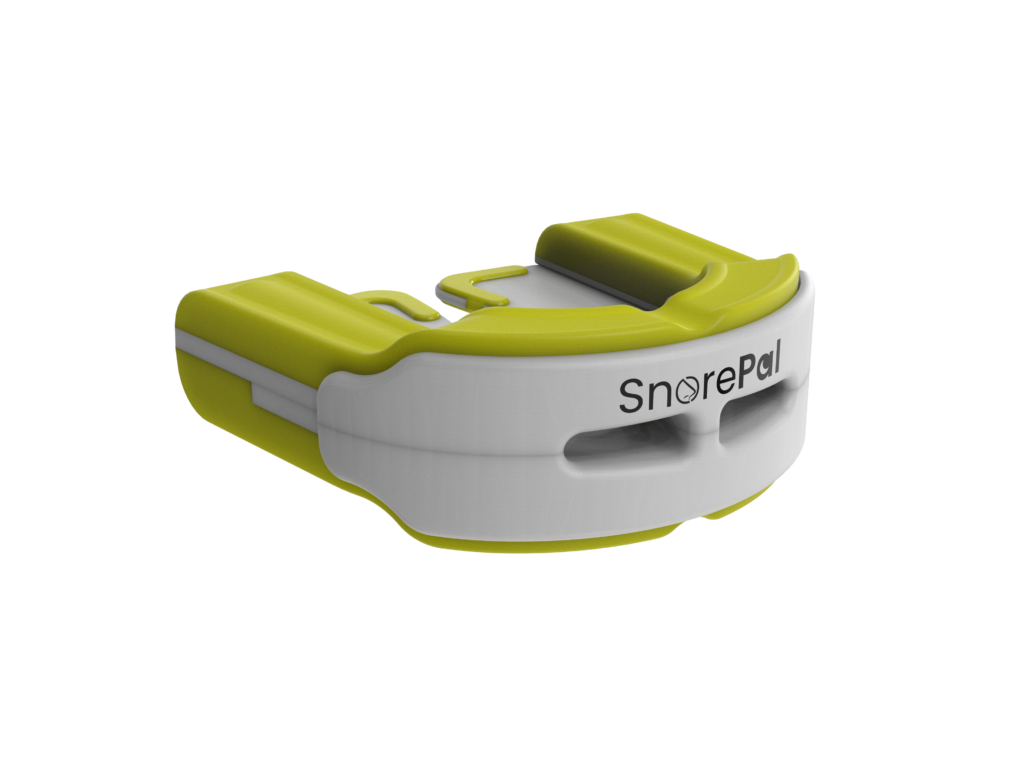
The Science Behind Snoring: Exploring the Role of Caffeine
Another study published in the Journal of Sleep Research found that consumption of caffeine four hours before bedtime significantly increased the number of sleep disturbances and snoring episodes. The study also showed that caffeine had a significant impact on sleep quality, leading to more fragmented and shallow sleep.
Caffeine and Sleep Apnea:
Sleep apnea is a sleep disorder characterized by interrupted breathing during sleep. It is a severe condition that can lead to long-term health problems. While caffeine may not directly cause sleep apnea, it can worsen the symptoms and make the condition more challenging to manage.
Caffeine can increase the risk of sleep apnea in two ways: by increasing the likelihood of snoring and by interfering with the sleep cycle. When a person with sleep apnea consumes caffeine, the stimulant can cause the muscles in the throat to relax, leading to snoring. This snoring can then further disrupt the sleep cycle, causing more frequent pauses in breathing during sleep.
Tips for Managing Caffeine Intake:
If you are a snorer, reducing your caffeine intake may help improve your sleep and reduce snoring episodes. Here are some tips to help you manage your caffeine consumption:
1. Limit caffeine intake: The recommended daily caffeine intake is 400mg for adults, which is equivalent to about four cups of coffee. Limit your caffeine intake to this amount or less.
2. Avoid caffeine before bedtime: Try to avoid consuming caffeine at least six hours before bedtime. This will give your body enough time to metabolize the caffeine and reduce its effects on your sleep.
3. Opt for decaf: If you are a coffee lover, try switching to decaf or choosing other non-caffeinated beverages.
4. Be mindful of hidden sources of caffeine: Caffeine is not just found in coffee and tea; it is also present in some sodas, energy drinks, and even some medications. Be mindful of these hidden sources and read labels carefully.
5. Consider other lifestyle changes: If you are a chronic snorer, it may be beneficial to make other lifestyle changes, such as quitting smoking, reducing alcohol consumption, and maintaining a healthy weight.
Conclusion:
In conclusion, snoring can be caused by various factors, including lifestyle habits such as caffeine consumption. While caffeine may provide a temporary energy boost, it can also have adverse effects on sleep quality and contribute to snoring. By understanding the relationship between caffeine and snoring, individuals can make informed decisions about their caffeine intake and potentially improve their sleep and overall health.