
Blog Post:
Caffeine, Snoring, and Sleep Quality: What You Need to Know
Caffeine is a stimulant that is found in many common products such as coffee, tea, energy drinks, and chocolate. It is widely consumed across the world and is often used to help people stay awake and alert. However, many people are not aware that caffeine can have a significant impact on their sleep quality, and in some cases, it can even cause snoring. In this blog post, we will explore the relationship between caffeine, snoring, and sleep quality and provide you with the information you need to know to ensure a good night’s rest.
The Effects of Caffeine on Sleep Quality
Caffeine is known to affect the central nervous system, increasing alertness and reducing fatigue. As a result, it can make it difficult for individuals to fall asleep and stay asleep. According to the National Sleep Foundation, caffeine’s half-life is about 5 to 6 hours, meaning that it takes this amount of time for the caffeine to be reduced by half in the body. However, the effects of caffeine can last for up to 10 hours, making it difficult for individuals to fall asleep at night.
Furthermore, caffeine can reduce the amount of deep sleep that a person gets, which is essential for physical and mental restoration. Without enough deep sleep, individuals may experience decreased cognitive function, mood swings, and daytime fatigue. This can have a significant impact on a person’s overall sleep quality, leading to a vicious cycle of consuming more caffeine to stay alert during the day and struggling to sleep at night.
Caffeine and Snoring
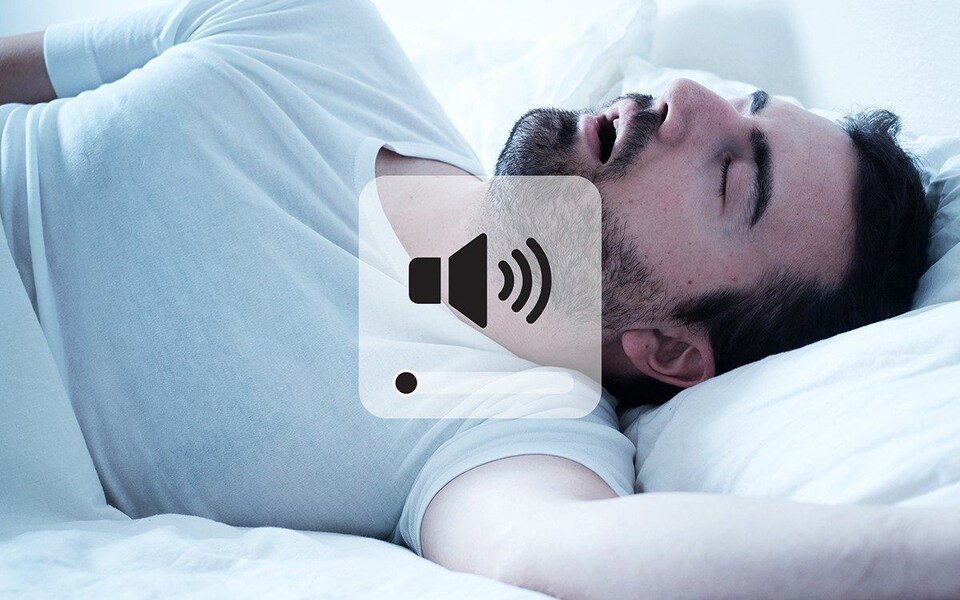
In addition to affecting sleep quality, caffeine can also cause or worsen snoring. Snoring occurs when the airway is partially blocked, causing vibrations in the throat that produce the snoring sound. Caffeine can contribute to snoring in several ways. Firstly, it can cause dehydration, which can lead to the nasal passages becoming dry and congested. This can cause snoring as the air struggles to pass through the congested nasal passages.
Caffeine, Snoring, and Sleep Quality: What You Need to Know
Secondly, caffeine can act as a muscle relaxant, including the muscles in the throat. This relaxation can cause the throat muscles to collapse, further obstructing the airway and leading to snoring. Additionally, caffeine can increase acid reflux, which can also contribute to snoring. Acid reflux can cause irritation and inflammation in the throat, leading to snoring as the airway becomes more narrow.
How to Improve Sleep Quality When Consuming Caffeine
If you are someone who regularly consumes caffeine and is struggling with sleep quality, there are several steps you can take to improve your rest. Firstly, it is essential to pay attention to the timing of your caffeine consumption. Avoid consuming caffeine close to your bedtime, and try to limit your intake to earlier in the day. This will give your body enough time to process the caffeine before you go to bed.
Secondly, consider reducing your overall caffeine intake. While caffeine can provide a temporary boost, it can also lead to long-term fatigue and sleep disturbances. Try to gradually decrease your caffeine intake and find alternative ways to boost your energy, such as exercising, getting some fresh air, or taking a power nap.
Finally, if you are struggling with snoring, it is essential to address the underlying causes. This may mean adjusting your sleeping position, using a humidifier to keep the air moist, or seeking treatment for any underlying conditions such as acid reflux or sleep apnea. By addressing the underlying causes of snoring, you can improve your sleep quality and reduce the likelihood of snoring.
In conclusion, caffeine can significantly impact sleep quality and even contribute to snoring. While caffeine can provide a temporary energy boost, it is essential to be mindful of how much and when you are consuming it. By understanding the effects of caffeine on sleep quality and taking steps to address any sleep disturbances, you can ensure a better night’s rest and overall well-being.
Summary:
Caffeine is a widely consumed stimulant that can affect sleep quality and contribute to snoring. Its effects can last for up to 10 hours, making it challenging to fall asleep and stay asleep. Caffeine can also cause or worsen snoring by contributing to dehydration, muscle relaxation, and acid reflux. To improve sleep quality, it is essential to pay attention to caffeine consumption timing, reduce overall intake, and address any underlying causes of snoring. By doing so, individuals can ensure a better night’s rest and overall well-being.