
Summary:
Snoring is a common issue that affects millions of people worldwide. It not only disrupts the sleep of the snorer but also their partner, leading to fatigue, irritability, and other health problems. While there are various remedies available in the market, nasal sprays have emerged as a game-changer for snoring sufferers. In this blog post, we will delve into the effectiveness of nasal sprays in reducing snoring and the different types available in the market. We will also explore the potential causes of snoring and how nasal sprays work to address them. Additionally, we will discuss the safety and side effects of nasal sprays and provide tips for choosing the right one for your needs. By the end of this post, you will have a better understanding of how nasal sprays can help you or your partner get a good night’s sleep free from snoring.
Nasal Sprays: A Game-Changer for Snoring Sufferers
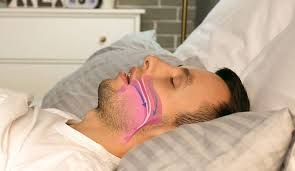
Snoring is a common problem that affects nearly 90 million adults in the United States alone. It occurs when the airway is partially blocked, causing vibrations in the soft tissues of the throat, resulting in the distinctive snoring sound. While occasional snoring is normal, chronic snoring can be a sign of a more serious underlying health condition, such as sleep apnea. It not only disrupts the sleep of the snorer but also their partner, leading to fatigue, irritability, and other health problems. Fortunately, there are various remedies available in the market, with nasal sprays being one of the most effective solutions for snoring.
Effectiveness of Nasal Sprays for Snoring
Nasal sprays, also known as nasal decongestants, have long been used to treat congestion caused by allergies, colds, and sinus infections. However, in recent years, they have gained popularity as an effective remedy for snoring. These sprays work by narrowing the blood vessels in the nasal passages, reducing inflammation and congestion. This allows for better airflow, reducing the vibrations in the throat and consequently, snoring.
Types of Nasal Sprays
There are two main types of nasal sprays: over-the-counter (OTC) and prescription. OTC nasal sprays are easily accessible and can be bought without a prescription. They contain active ingredients such as oxymetazoline, phenylephrine, and xylometazoline, which work to constrict blood vessels in the nasal passages. On the other hand, prescription nasal sprays contain corticosteroids, which work to reduce inflammation and swelling in the nasal passages. These are typically prescribed for people with chronic congestion and allergies.
Causes of Snoring and How Nasal Sprays Work
Nasal Sprays: A Game-Changer for Snoring Sufferers
Snoring can have various causes, such as allergies, sinus infections, nasal polyps, and deviated septum. These conditions lead to congestion and inflammation in the nasal passages, obstructing the airflow and causing snoring. Nasal sprays work by reducing this congestion and inflammation, allowing for better airflow and reducing snoring. They are also effective in treating allergies and sinus infections, which can contribute to snoring.
Safety and Side Effects of Nasal Sprays
While nasal sprays are generally considered safe, they can cause side effects if used improperly. Overuse of OTC nasal sprays can lead to a condition called rhinitis medicamentosa, where the nasal passages become dependent on the medication, leading to increased congestion. Long-term use of prescription nasal sprays can also cause side effects such as nosebleeds, headaches, and throat irritation. It is essential to follow the instructions and recommended usage of nasal sprays to avoid these side effects. If you experience any adverse reactions, consult your doctor.
Tips for Choosing the Right Nasal Spray
With the variety of nasal sprays available in the market, it can be overwhelming to choose the right one. Here are some tips to help you make an informed decision:
1. Identify the cause of your snoring: If you have allergies, a prescription nasal spray may be more effective in reducing snoring.
2. Read the labels: Look for active ingredients that work to reduce congestion and inflammation in the nasal passages.
3. Choose the right type: If you have chronic congestion, a prescription nasal spray may be more suitable. For occasional snoring, an OTC nasal spray can suffice.
4. Consult your doctor: If you have underlying health conditions or are unsure which nasal spray is right for you, consult your doctor for personalized advice.
In conclusion, snoring can significantly impact the quality of sleep for both the snorer and their partner. Nasal sprays have emerged as a game-changer for snoring sufferers, effectively reducing congestion and inflammation in the nasal passages and improving airflow. They are available in two main types, OTC and prescription, and can help address various causes of snoring. However, it is essential to use them properly and consult a doctor if you experience any adverse reactions. With the right nasal spray, you and your partner can finally enjoy a peaceful and restful night’s sleep.