
Snoring is a common issue that affects millions of people worldwide. While it may seem like a harmless annoyance, research has shown that snoring can actually have serious implications on your heart health. In fact, snoring has been linked to an increased risk of various cardiovascular diseases, including heart attack and stroke. In this blog post, we will discuss the relationship between snoring and heart health and what you need to know to protect your heart.
What is Snoring?
Before delving into the connection between snoring and heart health, it’s important to understand what snoring actually is. Snoring is a sound that occurs when the airway is partially blocked during sleep, causing the tissues in the throat to vibrate. It can range from mild to severe and can be disruptive not only to the person snoring but also to their sleep partner.
Snoring and Sleep Apnea
One of the main reasons why snoring is linked to heart health is because it is a common symptom of sleep apnea. Sleep apnea is a sleep disorder in which breathing repeatedly stops and starts during sleep. It can be caused by a complete blockage of the airway (obstructive sleep apnea) or a problem with the brain’s signals to the breathing muscles (central sleep apnea).
People with sleep apnea often experience loud snoring, gasping or choking during sleep, and excessive daytime sleepiness. If left untreated, sleep apnea can lead to serious health issues, including high blood pressure, heart disease, and stroke.
Risk Factors for Snoring and Sleep Apnea
Several factors can increase a person’s risk of snoring and sleep apnea, including:
– Obesity or excess weight: Having excess weight around the neck can put pressure on the airway, leading to snoring and sleep apnea.
– Age: As we age, the muscle tone in our throat decreases, making it more likely to collapse during sleep.
– Gender: Men are more likely to snore and have sleep apnea compared to women.
– Family history: Sleep apnea can run in families, suggesting a genetic component.
– Smoking and alcohol use: Both smoking and alcohol can relax the muscles in the throat, increasing the risk of snoring and sleep apnea.
– Nasal congestion: Any obstruction in the nasal passages can make it difficult to breathe through the nose, forcing you to breathe through your mouth and potentially leading to snoring.
Snoring and Heart Health: What You Need to Know
Snoring and Heart Health
The link between snoring and heart health has been studied extensively, and the results are alarming. Research has shown that people who snore are at a higher risk of developing various cardiovascular diseases, including heart attack and stroke.
One study published in the journal Chest found that people with sleep apnea have a 30% higher risk of developing coronary heart disease and a 68% higher risk of having a stroke. Another study published in the American Journal of Respiratory and Critical Care Medicine found that people with severe sleep apnea were almost three times more likely to die from heart disease.
The reason for this connection lies in the effects of sleep apnea on the body. When a person experiences an episode of sleep apnea, their oxygen levels drop, and their blood pressure rises. This can put a strain on the heart and increase the risk of cardiovascular problems.
Treatment Options
Fortunately, there are several treatment options available for snoring and sleep apnea, which can also help improve heart health.
– Lifestyle changes: Making lifestyle changes such as losing weight, quitting smoking, and limiting alcohol consumption can help reduce snoring and improve sleep apnea.
– Continuous Positive Airway Pressure (CPAP) therapy: This is the most common treatment for sleep apnea, where a machine delivers a continuous flow of air through a mask while you sleep, keeping the airway open.
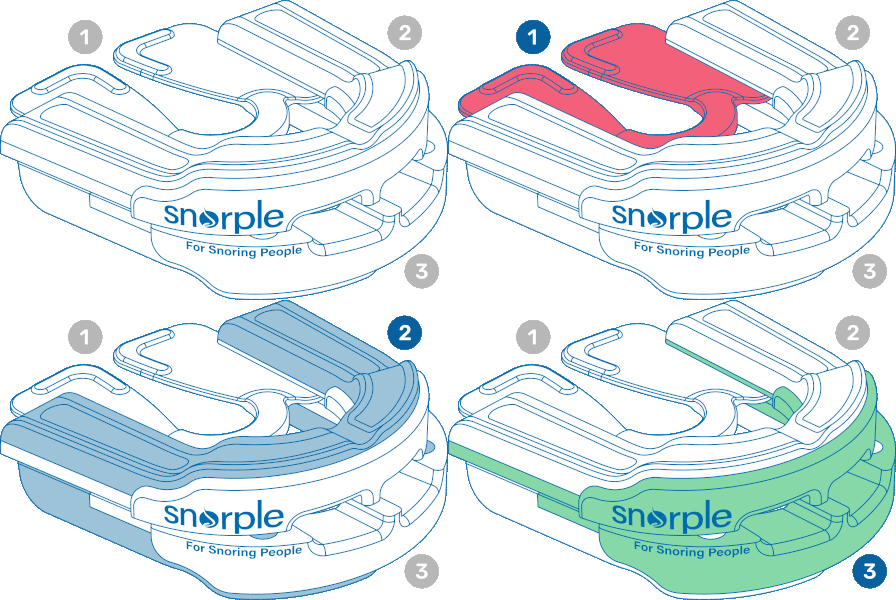
– Oral appliances: These devices are worn in the mouth to keep the airway open during sleep.
– Surgery: In some cases, surgery may be necessary to correct any physical obstructions in the airway.
It’s essential to seek treatment for snoring and sleep apnea to not only improve your sleep and overall health but also protect your heart.
In conclusion, snoring may seem like a minor issue, but it can have serious implications for your heart health. If you snore or suspect that you may have sleep apnea, it’s crucial to speak to a doctor and get the necessary treatment. By addressing the issue, you can not only improve your sleep but also reduce your risk of developing cardiovascular diseases.
SEO metadata: