
Snoring and Heart Health: How They’re Connected
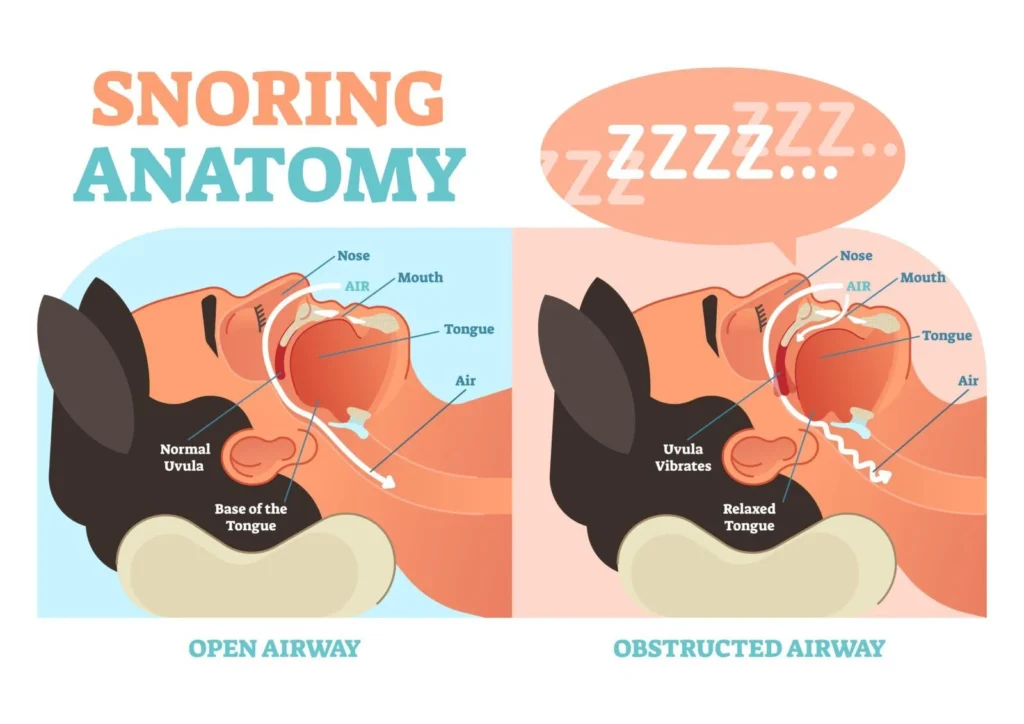
Snoring is a common issue that affects millions of people around the world. It is the harsh and loud sound that occurs when air flows through the relaxed tissues in the throat, causing them to vibrate. While snoring may seem like a mere nuisance, it can actually have a significant impact on our overall health, particularly our heart health.
Heart disease is the leading cause of death globally, and it is essential to understand the various factors that can contribute to its development. Snoring is one such factor that has been linked to an increased risk of heart disease. In this blog post, we will delve into the connection between snoring and heart health and understand how snoring can affect our heart health.
The Link between Snoring and Heart Health
Snoring can be a result of many factors such as age, weight, allergies, and alcohol consumption. However, the most common cause of snoring is obstructive sleep apnea (OSA). OSA is a sleep disorder in which the airway becomes blocked, causing pauses in breathing and loud snoring. OSA affects about 25% of adults and is associated with a higher risk of heart disease.
OSA has been linked to heart disease due to its effects on the cardiovascular system. When breathing pauses during sleep, the oxygen level in the blood decreases, and the heart has to work harder to compensate for the lack of oxygen. This can lead to an increase in blood pressure and put a strain on the heart, increasing the risk of heart disease. OSA has also been linked to other risk factors for heart disease, such as obesity, diabetes, and high cholesterol levels.
Not only does OSA increase the risk of heart disease, but it can also worsen existing heart conditions. People with heart disease who also have OSA are at a higher risk of heart attacks, arrhythmias, and heart failure. The frequent drops in oxygen levels during sleep can also cause damage to the heart muscle, leading to further complications.
Snoring and Stroke
Aside from heart disease, snoring has also been linked to an increased risk of stroke. A study published in the American Journal of Respiratory and Critical Care Medicine found that people with OSA had a 60% higher risk of stroke compared to those without OSA. This is because OSA can lead to the formation of blood clots, which can cause blockages in the arteries that supply blood to the brain.
Snoring and Atrial Fibrillation
Snoring and Heart Health: How They're Connected
Atrial fibrillation (AFib) is a condition in which the heart beats irregularly, increasing the risk of stroke and heart failure. Snoring has been linked to an increased risk of AFib, mainly due to the repeated drops in oxygen levels during sleep. This can cause inflammation and damage to the heart’s electrical system, leading to AFib. A study published in the Journal of the American College of Cardiology found that people with OSA were at a 2.6 times higher risk of developing AFib compared to those without OSA.
The Effects of Snoring on Blood Pressure
High blood pressure (hypertension) is a significant risk factor for heart disease. The frequent drops in oxygen levels during sleep due to snoring can cause an increase in blood pressure. A study published in the American Journal of Respiratory and Critical Care Medicine found that people with OSA had an average blood pressure of 6.5 mmHg higher than those without OSA. This increase in blood pressure can put a strain on the heart and increase the risk of heart disease.
How to Improve Heart Health and Reduce Snoring
The good news is that there are ways to improve heart health and reduce snoring. The most effective way is to treat OSA. This can be done through various methods such as continuous positive airway pressure (CPAP) therapy, oral appliances, and surgery. These treatments help keep the airway open and prevent pauses in breathing during sleep, reducing the strain on the heart.
Other lifestyle changes that can help improve heart health and reduce snoring include maintaining a healthy weight, avoiding alcohol before bedtime, and sleeping on your side instead of your back. It is also essential to manage other risk factors for heart disease, such as high blood pressure, diabetes, and high cholesterol levels.
In addition to these measures, regular exercise and a healthy diet can also help improve heart health and reduce snoring. Exercise can help with weight management and improve cardiovascular health, while a healthy diet can help prevent the development of other risk factors for heart disease. Quitting smoking is also crucial, as smoking has been linked to an increased risk of heart disease and can worsen the effects of snoring.
In conclusion, snoring and heart health are closely connected, with snoring being a significant risk factor for heart disease and other cardiovascular conditions. It is essential to address snoring and OSA to improve heart health and reduce the risk of heart disease, stroke, and other complications. By making lifestyle changes and seeking appropriate treatment, we can improve our heart health and ensure a better quality of life.
Summary:
Snoring is a common issue that can have a significant impact on our overall health, particularly our heart health. The most common cause of snoring is obstructive sleep apnea (OSA), which affects about 25% of adults and has been linked to an increased risk of heart disease. OSA can lead to an increase in blood pressure and put a strain on the heart, increasing the risk of heart disease. Snoring has also been linked to an increased risk of stroke, atrial fibrillation, and high blood pressure. The good news is that there are ways to improve heart health and reduce snoring, such as treating OSA, maintaining a healthy weight, avoiding alcohol before bedtime, and exercising regularly. Quitting smoking and managing other risk factors for heart disease are also crucial. By addressing snoring and OSA, we can improve our heart health and reduce the risk of heart disease and other complications.