
Snoring: More Than Just a Nuisance, It Could Be Harming Your Heart
Snoring is a common problem that affects many people around the world. It is often seen as a nuisance, causing annoyance for both the snorer and their bed partner. However, what many people don’t realize is that snoring can be more than just a noisy habit – it could actually be harming your heart.
In this blog post, we will explore the connection between snoring and heart health, and why it is important to address snoring as more than just a nuisance.
The Link Between Snoring and Heart Health
Many people are surprised to learn that snoring and heart health are linked. But the truth is, snoring can be a symptom or risk factor for various heart conditions.
One of the main reasons for this is that snoring is often a sign of sleep apnea, a sleep disorder where the airway becomes blocked during sleep, causing pauses in breathing. This can lead to low oxygen levels in the blood, putting strain on the heart and increasing the risk of cardiovascular diseases.
In fact, a study published in the Journal of the American College of Cardiology found that snoring was associated with a 34% increased risk of heart attack and a 67% increased risk of stroke. This is because sleep apnea, if left untreated, can lead to high blood pressure, heart rhythm disorders, and other cardiovascular problems.
Furthermore, snoring can also be a sign of other underlying health conditions that can impact heart health. For example, being overweight or obese is a common risk factor for both snoring and heart disease. This is because excess weight can contribute to the narrowing of the airway, making it more difficult to breathe during sleep.
Snoring Can Disrupt Your Sleep Quality
Aside from the direct impact on heart health, snoring can also disrupt your sleep quality. This is because snoring can cause multiple awakenings throughout the night, leading to fragmented sleep and daytime fatigue.
Lack of quality sleep can have various negative effects on the body, including increased stress levels, impaired cognitive function, and weakened immune system. These factors can also contribute to heart disease and other chronic health conditions.
Identifying and Addressing Snoring
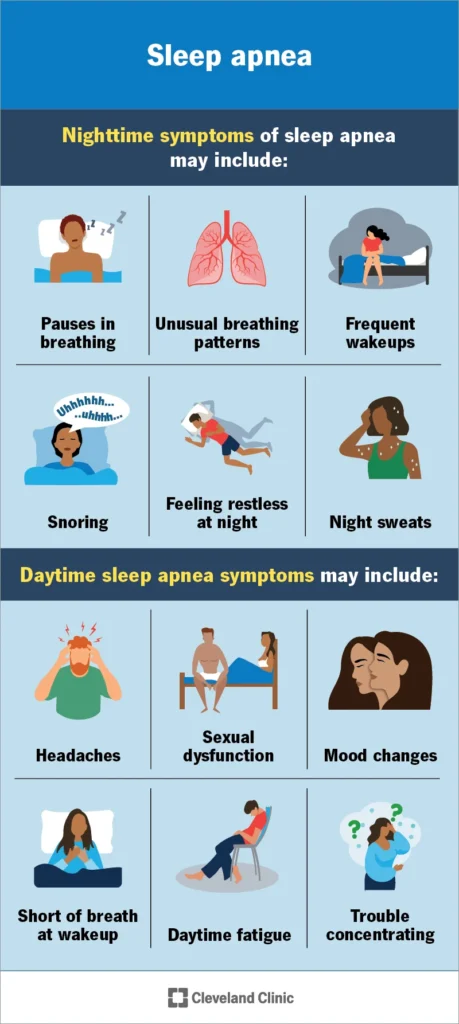
The first step in addressing snoring as a potential threat to heart health is to identify whether you have a snoring problem. If you regularly snore and experience any of the following symptoms, it is important to consult with a healthcare professional:
Snoring: More Than Just a Nuisance, It Could Be Harming Your Heart
– Excessive daytime sleepiness
– Waking up gasping or choking during the night
– Morning headaches
– Difficulty concentrating
– Dry mouth or sore throat upon waking
– Restless sleep
Your doctor may conduct a sleep study to determine if you have sleep apnea or any other underlying health condition that may be causing your snoring. From there, they will recommend appropriate treatment options.
Treatment Options for Snoring and Sleep Apnea
There are various treatment options for snoring and sleep apnea, depending on the underlying cause and severity of the condition. These may include lifestyle changes such as weight loss, avoiding alcohol and sedatives before bed, and sleeping on your side instead of your back.
In more severe cases, a continuous positive airway pressure (CPAP) machine may be prescribed. This device delivers pressurized air through a mask worn over the nose and mouth, keeping the airway open during sleep.
Other treatment options may include oral devices that help keep the airway open, surgery to remove excess tissue in the throat, or nerve stimulation therapy.
Take Care of Your Heart by Addressing Your Snoring
Snoring is often seen as a minor inconvenience, but as we have seen, it can have serious implications for heart health. By identifying and addressing snoring, you can take care of your heart and overall well-being.
In addition to seeking medical treatment, there are also lifestyle changes you can make to reduce snoring and improve your sleep quality. These include maintaining a healthy weight, avoiding alcohol and sedatives before bed, and practicing good sleep hygiene.
It is also important to make regular visits to your doctor to monitor your heart health, especially if you have a history of snoring or other risk factors for heart disease.
Conclusion
In summary, snoring is more than just a nuisance – it could be harming your heart. The link between snoring and heart health is significant, and it is important to address snoring as a potential symptom or risk factor for various heart conditions.
If you regularly snore and experience other symptoms, it is important to consult with a healthcare professional to identify the underlying cause and receive appropriate treatment. By taking care of your snoring, you can also take care of your heart and overall well-being.
SEO metadata: