
Breaking the Cycle: Managing Snoring and Stress for Better Sleep
When it comes to getting a good night’s sleep, there are many factors that can impact the quality of our rest. One of the most common issues that affects sleep is snoring, which can not only disrupt our own sleep but also that of our partners. However, snoring is often a symptom of an underlying problem, and one of the most common causes is stress. In this blog post, we will explore the connection between snoring and stress, and provide tips for breaking the cycle and managing both for better sleep.
The Connection Between Snoring and Stress
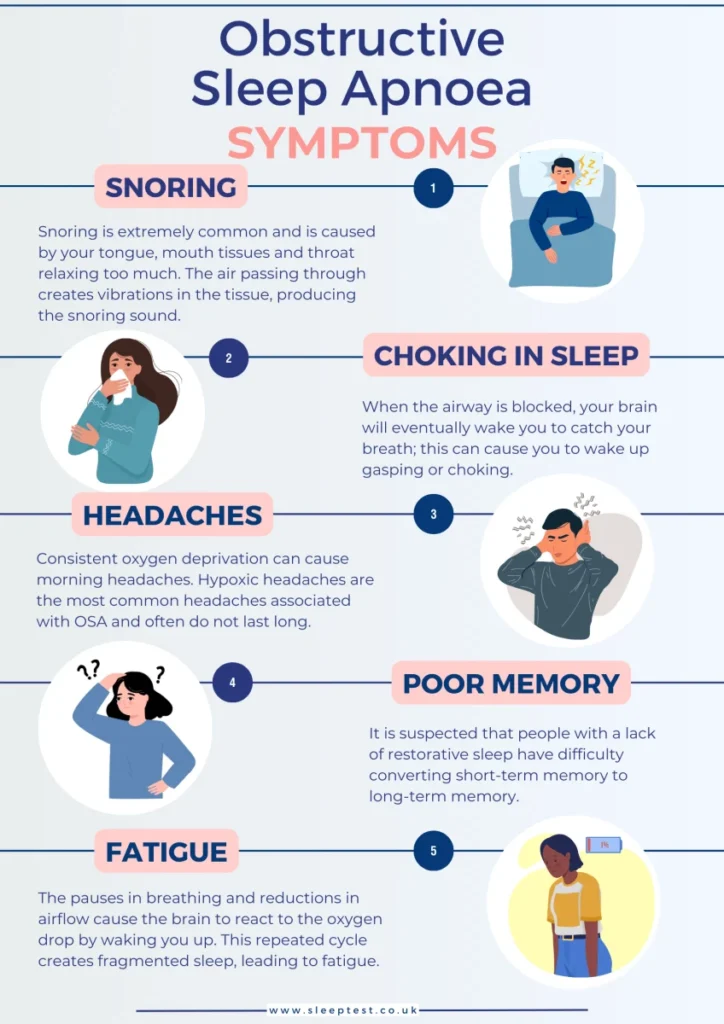
Snoring is the noise produced when air passes through relaxed tissues in the throat, causing them to vibrate. While it may seem like a harmless annoyance, snoring can actually indicate a more serious issue. One of the most common causes of snoring is stress, which can lead to tension in the muscles in the throat and mouth. When these muscles are tense, they are more likely to obstruct the airway and cause snoring.
Stress can also lead to poor sleep habits, such as irregular sleep schedules, consuming caffeine or alcohol close to bedtime, and using electronic devices before bed. These habits can worsen snoring and disrupt sleep even further, creating a vicious cycle.
Breaking the Cycle: Managing Snoring and Stress
The good news is that by managing both snoring and stress, we can break this cycle and improve our sleep quality. Here are some tips to help you manage snoring and stress for better sleep:
1. Practice relaxation techniques
One of the most effective ways to reduce stress and tension in the muscles is to practice relaxation techniques such as deep breathing, meditation, or yoga. These techniques can help calm the mind and body, promoting better sleep and reducing snoring.
2. Exercise regularly
Breaking the Cycle: Managing Snoring and Stress for Better Sleep
Regular exercise can not only reduce stress levels but also improve overall health and sleep quality. Exercise can also strengthen the muscles in the throat and reduce snoring. Aim for at least 30 minutes of moderate exercise, such as walking, swimming, or cycling, each day.
3. Maintain a healthy weight
Being overweight or obese can increase the risk of snoring as excess weight can put pressure on the airway, making it more likely to collapse and cause snoring. By maintaining a healthy weight through a balanced diet and regular exercise, you can reduce the severity of snoring and improve sleep quality.
4. Avoid triggers before bedtime
As mentioned earlier, certain habits can worsen snoring and disrupt sleep. Avoid consuming caffeine or alcohol close to bedtime, and limit the use of electronic devices before bed. Instead, try reading a book, taking a bath, or practicing relaxation techniques to prepare your mind and body for sleep.
5. Use a snoring mouthpiece
For some people, snoring may persist even after managing stress and adopting healthy habits. In such cases, a snoring mouthpiece can be a helpful solution. These devices help keep the airway open by positioning the jaw in a way that prevents the tongue and soft tissues from obstructing the airway.
In addition to these tips, it is important to address any underlying issues that may be causing stress. This could include seeking therapy, practicing better time management, or making lifestyle changes to reduce stress levels. By managing stress, we can not only improve our sleep quality but also our overall health and well-being.
In Summary
Snoring and stress are closely connected, with stress being a common cause of snoring. By managing both, we can break the cycle and improve our sleep quality. Some tips for managing snoring and stress include practicing relaxation techniques, exercising regularly, maintaining a healthy weight, avoiding triggers before bedtime, and using a snoring mouthpiece if needed. It is also important to address any underlying issues causing stress for long-term solutions. With these strategies, we can achieve better sleep and improve our overall health.