
Is snoring “just noise,” or a sleep quality problem?
Are anti-snoring mouthpieces actually worth trying?
And why does snoring feel like it’s everywhere right now—on planes, in bedrooms, and in burnout conversations?
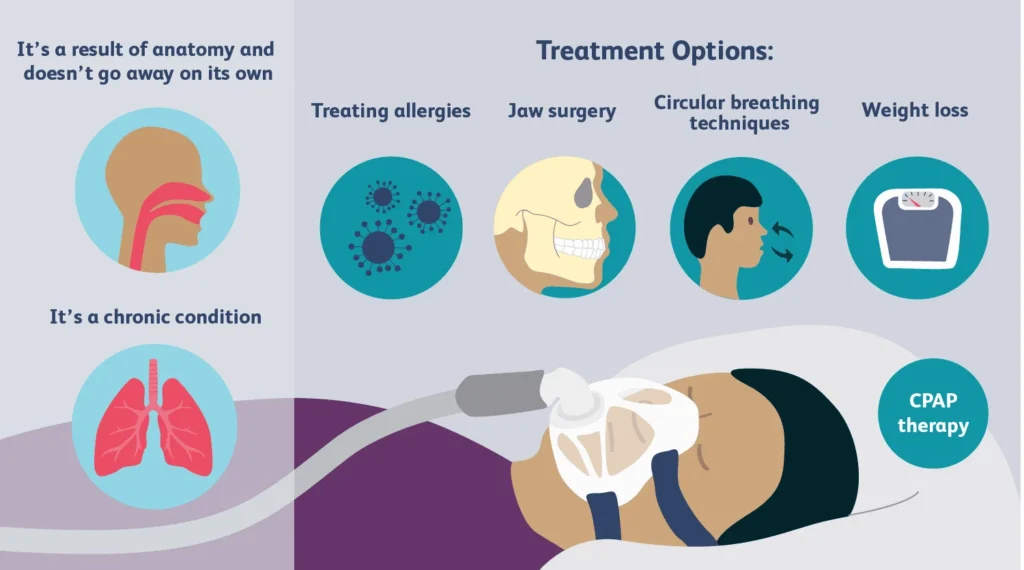
Snoring sits at the intersection of health, relationships, and modern life. Sleep trackers and “connected” sleep gadgets are trending, travel fatigue is real, and workplace stress makes shallow sleep feel normal. This post breaks down what people are talking about, what an anti snoring mouthpiece can do, and how to use one comfortably and safely.
The big picture: snoring is common, but it isn’t always trivial
Plenty of people snore occasionally. A cold, a stuffy hotel room, or sleeping flat on your back can do it. The problem is when snoring becomes frequent, loud, or paired with poor sleep.
In recent health coverage, snoring is often framed as more than a nuisance because it can overlap with sleep-disordered breathing. Some articles also connect the conversation to heart health in a general way, which is one reason clinicians encourage people not to ignore persistent symptoms. If you want a broader, news-style overview of that theme, see Sleep Apnea and Your Heart: Why Snoring Isn’t Just a Nuisance – NewYork-Presbyterian.
What snoring does to sleep quality (even when you “sleep through it”)
Snoring can fragment sleep for the person who snores and the person who hears it. You might still log “eight hours,” yet wake up foggy. That’s why snoring gets linked to mood, focus, and that drained feeling that looks like burnout.
And yes, the relationship jokes are everywhere for a reason. Separate blankets, white noise machines, and “who gets the couch” humor are coping strategies. They’re also a hint that the problem is affecting real life.
The emotional side: it’s not only about sound
Snoring can feel embarrassing. It can also feel unfair—especially if you’re the one lying awake listening to it. Add travel fatigue (red-eye flights, jet lag, unfamiliar pillows), and snoring can spike right when patience is lowest.
A practical mindset helps: treat snoring like a fixable sleep friction, not a character flaw. You’re trying to protect rest, recovery, and the next day’s energy.
Practical steps: what to try first (and where mouthpieces fit)
Most snoring plans work best when they stack small wins. Start with the low-effort changes, then add tools if needed.
Step 1: quick environment and habit checks
- Position: Back sleeping often worsens snoring. Side sleeping can help some people.
- Nasal comfort: Congestion can increase mouth breathing and vibration. Keep the room comfortably humid and address temporary stuffiness.
- Alcohol timing: Late-night drinks can relax tissues and make snoring more likely.
- Sleep schedule: Irregular sleep can worsen sleep quality, even if snoring stays the same.
Step 2: consider an anti snoring mouthpiece
Mouthpieces are popular because they’re portable, relatively simple, and don’t require a power outlet—useful for travel weeks and cramped carry-ons. They also fit the broader trend of “sleep tech,” including newer oral appliances being discussed alongside connected-care ecosystems.
Not all mouthpieces feel the same. If you’re comparing options, start with comfort, fit style, and ease of cleaning. Here’s a hub for anti snoring mouthpiece to explore.
ICI basics: comfort, positioning, and cleanup (the make-or-break details)
ICI stands for In, Comfort, and Integrity—a simple way to remember what matters nightly.
- In (fit/position): A mouthpiece should sit securely without you clenching. If it shifts easily, snoring may not improve and irritation becomes more likely.
- Comfort (pressure points): Mild awareness is common early on. Sharp pain, numbness, or jaw locking is not a “push through it” situation.
- Integrity (cleanliness and shape): Rinse after use, clean daily, and let it dry fully. A warped or damaged device won’t fit right and can feel rough against gums.
Safety and testing: when snoring needs more than a gadget
Snoring can be a sign of obstructive sleep apnea, which is why major medical resources list symptoms like loud habitual snoring, witnessed breathing pauses, and excessive daytime sleepiness as reasons to seek evaluation. You don’t need to self-diagnose to take it seriously.
Red flags to take seriously
- Choking, gasping, or breathing pauses noticed by a partner
- Morning headaches, dry mouth, or persistent daytime sleepiness
- High blood pressure or heart concerns (especially alongside snoring)
- New or worsening symptoms after starting a mouthpiece
Fit and comfort warnings for mouthpieces
Stop using a mouthpiece and get guidance if you notice jaw pain, tooth pain, gum sores, or bite changes. Comfort matters because discomfort can reduce wear time, which reduces any chance of benefit.
Medical disclaimer: This article is for general education and does not diagnose, treat, or replace medical advice. If you suspect sleep apnea or have significant symptoms, talk with a qualified clinician or a sleep specialist.
FAQ: quick answers people ask at 2 a.m.
Will a mouthpiece stop snoring “once and for all”?
It depends on the cause of your snoring and whether you can wear it comfortably. Many people see improvement, but no tool is universal.
What if I only snore when I travel?
Travel can change sleep position, hydration, and congestion. A portable strategy (side-sleep support, nasal comfort, and a mouthpiece you tolerate) may help.
Can my partner do anything besides wear earplugs?
Yes. A joint plan helps: adjust sleep setup, reduce late-night alcohol, and agree on a trial period for solutions so it feels collaborative.
Next step: pick one change and run a 10-night test
If snoring is stressing your sleep or your relationship, don’t try ten fixes at once. Choose one change, track how you feel in the morning, and ask your partner whether the noise improved.