
Is your snoring ruining your sleep quality?
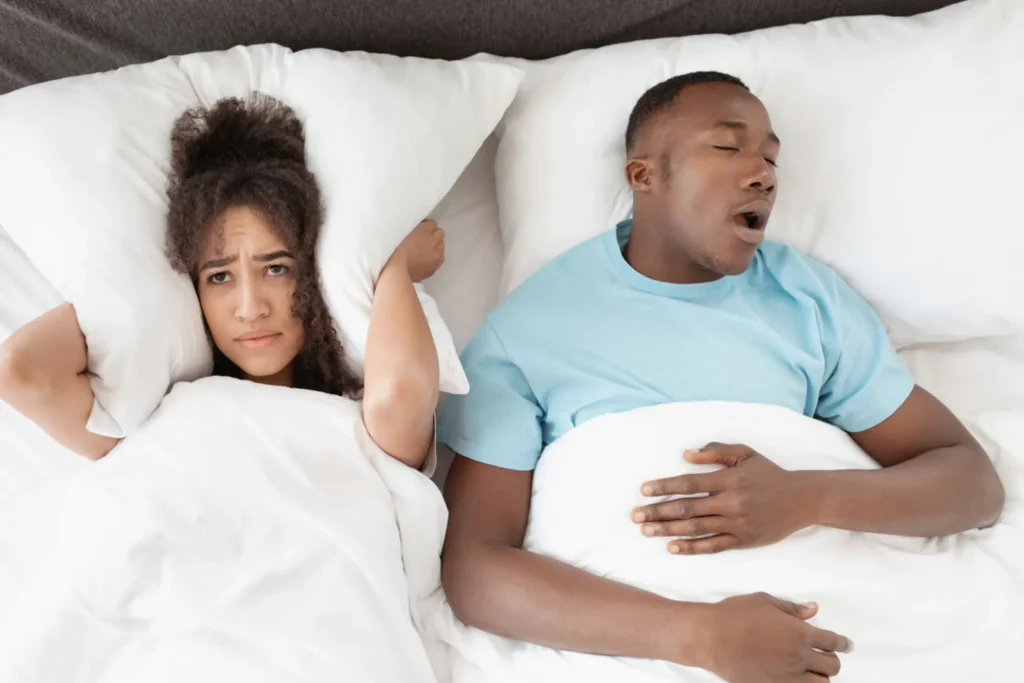
Are you tempted by the latest sleep gadgets and hacks, but don’t want to waste money?
Could an anti snoring mouthpiece be a practical, at-home step that actually helps?
Yes, snoring can chip away at sleep quality for you and anyone within earshot. And right now, sleep culture is loud—wearables, “biohacking” trends, travel fatigue posts, and relationship jokes about who “earned the couch.” Under the humor, most people want the same thing: quieter nights and better mornings without a complicated routine.
This guide breaks down what people are talking about lately, what’s likely to help, and how to choose a mouthpiece without burning a full pay cycle.
Why does snoring feel like a bigger problem lately?
Because sleep has become a “performance metric.” People track it on watches, compare scores, and buy gadgets that promise deeper rest. Meanwhile, real life is noisy: late-night scrolling, travel jet lag, and workplace burnout that makes your brain feel like it never clocks out.
Snoring adds friction on top of all that. It can interrupt sleep cycles, cause frequent wake-ups, and create tension with a partner. Even if you don’t fully wake, your sleep can get lighter and less restorative.
Relationship reality check
If snoring is becoming a running joke, treat it like a shared problem, not a character flaw. A simple plan beats another argument at 2 a.m. Start with the easiest, lowest-risk changes first.
What’s the smart, budget-friendly order to try fixes at home?
If you want the most practical path, think “cheap and reversible” before “expensive and complicated.” Here’s a common order that helps people avoid random spending.
1) Clear the easy blockers
Congestion, allergies, and dry air can make snoring worse. Small steps—hydration, a cleaner sleep space, and managing nasal stuffiness—can reduce noise for some people.
2) Consider nasal support if the nose is the bottleneck
Nasal strips are frequently discussed because they’re simple. They’re designed to gently widen the nasal passage, which may help airflow when nasal resistance is part of the issue. If your snoring seems worse when you’re stuffed up, this is a reasonable low-cost experiment.
3) Skip the “viral hack” mindset
Mouth taping is having a moment in sleep conversations. The debate usually centers on whether it meaningfully improves breathing or just creates new problems for certain sleepers. If you’re congested, anxious about breathing, or unsure, it may not be the right experiment. When in doubt, choose options with a clearer safety profile and stop anything that feels uncomfortable.
4) Try an anti snoring mouthpiece if jaw position seems involved
Many snorers get louder on their back or after alcohol, when the jaw and soft tissues relax. That’s where an oral appliance approach comes up often: a mouthpiece can help by keeping the lower jaw from falling backward, which may reduce airway vibration for some sleepers.
If you want to explore that route, start with comfort, fit, and return policies. Look for an option that’s straightforward to use and doesn’t require a full “tech stack” to get going.
What are people talking about with “connected” oral appliances?
Sleep tech is blending into healthcare. Recent news coverage has highlighted an FDA-cleared clinical trial for an oral appliance designed to fit into a more connected care ecosystem. Translation: some oral appliances are being studied not just as standalone devices, but as part of a broader approach that may include monitoring and clinical follow-up.
If you like data, that trend makes sense. Still, you don’t need a complicated setup to start addressing basic snoring at home. The practical move is to test the simplest likely solution first, then escalate if the problem persists.
Sleep apnea – Symptoms and causes
When should you stop DIY and consider sleep apnea screening?
Snoring is common, but it isn’t always “just snoring.” General medical guidance often flags sleep apnea concerns when snoring comes with symptoms like choking/gasping, witnessed breathing pauses, morning headaches, or strong daytime sleepiness.
If those sound familiar, don’t try to out-hack it. A screening can clarify what’s going on and what options fit best.
Quick self-check (not a diagnosis)
- Do you wake up unrefreshed most days?
- Has anyone noticed pauses in your breathing?
- Do you nod off easily during quiet moments?
- Is snoring loud enough to travel through walls?
If you answered “yes” to more than one, it’s worth discussing with a clinician.
How do you choose an anti snoring mouthpiece without wasting money?
Don’t overthink it. Use a short checklist that keeps comfort and practicality front and center.
Look for these basics
- Comfort-first design: A mouthpiece you can’t tolerate won’t help, even if it’s “advanced.”
- Fit approach: Many at-home options use a moldable or adjustable setup. Follow instructions closely.
- Easy cleaning: If upkeep is annoying, compliance drops fast.
- Clear policies: A reasonable return or exchange policy reduces risk.
Set realistic expectations
A mouthpiece may reduce snoring and improve perceived sleep quality, but it’s not a magic switch. Give yourself a fair trial window. Track simple signals like: fewer wake-ups, less partner disturbance, and better morning energy.
Common FAQs about snoring and mouthpieces
Medical disclaimer: This article is for general education and does not provide medical advice, diagnosis, or treatment. If you suspect sleep apnea or have persistent symptoms, talk with a qualified healthcare professional.
FAQ recap
- Do anti-snoring mouthpieces work for everyone? No. They help some people more than others depending on the cause of snoring.
- Is snoring always sleep apnea? No, but certain symptoms make screening important.
- Are nasal strips worth it? Often, yes—when nasal airflow is the main issue.
- What about mouth taping? It’s trendy, but not universally appropriate. Safety comes first.
- How long to adjust to a mouthpiece? Typically days to a couple of weeks.
Ready for a quieter, cheaper first step?
If you want a practical option that you can try at home without turning sleep into a second job, start with a mouthpiece that’s designed for snoring and built for comfort.