
Is your snoring getting louder, or are you just noticing it more?
Are you shopping sleep gadgets because you’re tired of being tired?
Do you want a practical, budget-friendly way to test an anti snoring mouthpiece without wasting another month?
You’re not alone. Snoring is having a moment again—partly because sleep tech is everywhere, partly because burnout and travel fatigue make “good sleep” feel like a luxury. Add relationship humor (“Who’s sleeping on the couch tonight?”) and you get a problem that’s both personal and very searchable.
What people are trying right now (and why)
Recent sleep chatter is less about willpower and more about tools. People compare wearables, white-noise machines, nasal strips, and mouthpieces like they compare earbuds. The goal is simple: fewer wake-ups, less noise, and better mornings.
Trend #1: Sleep gadgets as a coping strategy
When work stress rises, sleep becomes the first thing to wobble. Many people start with a tracker, then chase the “sleep score” with add-ons. It’s understandable. The downside is buying five gadgets before you address the one thing waking everyone up: snoring.
Trend #2: Mouth taping curiosity
Mouth taping keeps popping up in wellness conversations. The idea is to encourage nasal breathing. It sounds tidy, but real life isn’t. If your nose is blocked, taping can feel miserable and may be unsafe for some people.
Trend #3: Anti-snoring mouthpieces getting mainstream attention
Men’s lifestyle outlets and review-style coverage have pushed mouthpieces back into the spotlight. The appeal is obvious: it’s a single purchase, it’s portable for travel, and it doesn’t require batteries. Some products are marketed as “dentist-approved,” which adds confidence, even if results still vary person to person.
What matters medically (so you don’t miss the big stuff)
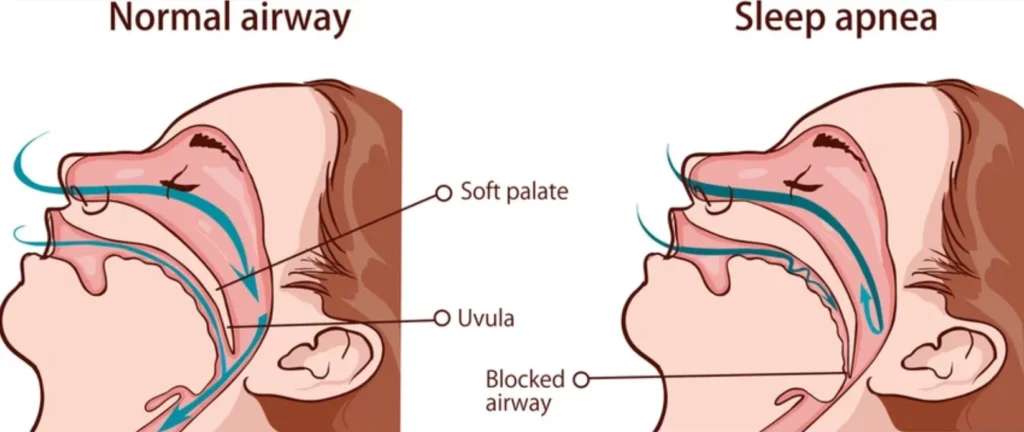
Snoring can be a simple vibration issue. It can also be a flag for obstructed breathing during sleep. That’s where sleep apnea comes in, and it’s why clinicians keep reminding people not to treat loud snoring as “just annoying.”
If you want a deeper read on the health angle, here’s a helpful starting point on Sleep Apnea and Your Heart: Why Snoring Isn’t Just a Nuisance – NewYork-Presbyterian.
Red flags you shouldn’t DIY
- Someone notices breathing pauses, choking, or gasping
- You wake up with headaches, a racing heart, or chest discomfort
- Daytime sleepiness is strong enough to affect driving or work
- High blood pressure or heart concerns (especially if snoring is loud)
If any of these fit, skip the “hack loop” and get evaluated. A mouthpiece may still be part of the solution, but you’ll want the right plan.
How to try this at home (without wasting a cycle)
Here’s the practical approach: run a short, structured experiment. Don’t change five things at once. You won’t know what worked.
Step 1: Get a 7-night baseline
Use a simple phone recording or snore-tracking app. Also jot down two notes each morning: how rested you feel and whether you woke with dry mouth or a sore throat.
Step 2: Fix the easy triggers first (cheap wins)
- Side-sleeping: Many people snore more on their back. A body pillow can help.
- Nasal support: Saline rinse or a shower before bed can help if you’re congested.
- Alcohol timing: If you drink, try moving it earlier. Late drinks often worsen snoring.
- Travel fatigue plan: After flights, prioritize hydration and a consistent bedtime. Dry cabins and odd hours can ramp up snoring.
Step 3: Trial an anti snoring mouthpiece (the “one purchase” test)
An anti snoring mouthpiece is designed to improve airflow during sleep, commonly by positioning the lower jaw forward or stabilizing the tongue. For many households, the main benefit is immediate: the room gets quieter, and the non-snorer stops nudging you every 20 minutes.
If you’re comparing options, start here: anti snoring mouthpiece.
How to judge if it’s working (keep it simple)
- Noise: Is snoring lower volume or less frequent?
- Sleep continuity: Fewer wake-ups for you or your partner?
- Morning feel: Less dry mouth, fewer headaches, better energy?
If it helps but feels uncomfortable, don’t “tough it out” indefinitely. Fit and jaw comfort matter. Small adjustments or a different style can change everything.
When to seek help (and what to ask for)
Get medical advice if you suspect sleep apnea, if symptoms are escalating, or if daytime fatigue is affecting safety. Ask about a sleep study or home sleep apnea testing. Also mention any jaw pain, dental issues, or TMJ history before using a mouthpiece long-term.
Medical disclaimer: This article is for general education only and isn’t medical advice. Snoring can have multiple causes. If you have symptoms of sleep apnea or significant daytime sleepiness, consult a qualified clinician for evaluation and personalized guidance.
FAQ: quick answers people want
Do mouthpieces work right away?
Some people notice less snoring quickly, while others need a short adjustment period. Results depend on fit, anatomy, and the cause of snoring.
What if my partner snores and refuses gadgets?
Make it about shared sleep, not blame. Offer a one-week “experiment” and track whether mornings improve for both of you.
Is snoring always a health problem?
Not always, but it can signal obstructed breathing in some people. Red flags and daytime symptoms matter more than volume alone.
Next step: get a clear answer fast
If you want a straightforward explanation before you buy anything, start here: