
On a recent red-eye, an exhausted traveler finally dozed off—only to be nudged awake by a stranger’s polite glare. The snoring had become the cabin’s background soundtrack. By the time the plane landed, the traveler felt wrecked, their seatmate was annoyed, and nobody felt “rested.”
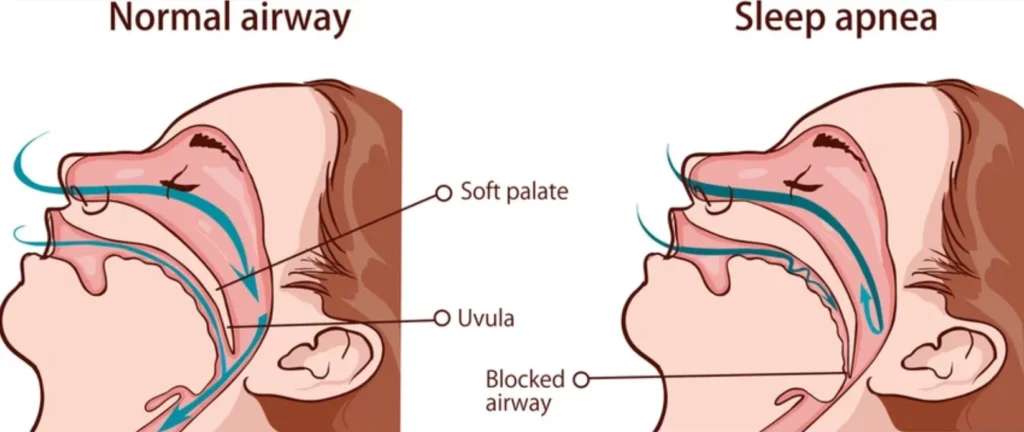
That’s why snoring is having a moment. People are chasing sleep scores, buying sleep gadgets, joking about “separate bedrooms,” and still waking up tired. Under the humor, there’s a serious point: snoring can be more than noise.
Why are people suddenly treating snoring like a health issue?
Sleep is now a mainstream health trend. Wearables flag “poor recovery,” workplaces talk about burnout, and social feeds push quick fixes. Snoring lands right in the middle of it because it affects both sleep quality and relationships.
More importantly, clinicians often remind patients that loud, persistent snoring can be associated with sleep apnea. Sleep apnea involves repeated breathing disruptions during sleep. Those disruptions can strain the body over time, including the cardiovascular system.
If you want a general overview of why snoring can matter beyond annoyance, see this Sleep Apnea and Your Heart: Why Snoring Isn’t Just a Nuisance – NewYork-Presbyterian.
What are the “red flags” that mean it’s time to screen for sleep apnea?
Snoring alone isn’t a diagnosis. But certain patterns should move you from “try a comfort fix” to “get checked.” Keep it simple and look for clusters.
Nighttime signs people report
- Choking, gasping, or snorting awake
- Witnessed breathing pauses
- Restless sleep or frequent awakenings
- Dry mouth or sore throat in the morning
Daytime signs that show up at work (or on the commute)
- Excessive sleepiness, “brain fog,” or dozing off easily
- Morning headaches
- Irritability or low mood that tracks with poor sleep
- Trouble focusing (the burnout look-alike)
If these sound familiar, prioritize screening. That choice also lowers risk for you as a consumer: you’re less likely to waste money on the wrong product or delay needed care.
Do sleep gadgets actually help, or do they just create more anxiety?
They can do either. Trackers can motivate better habits. They can also make people obsess over “perfect sleep,” which backfires.
Use gadgets like a dashboard, not a judge. Look for trends over weeks, not one bad night after travel fatigue or a late dinner.
What is an anti snoring mouthpiece, and who is it for?
An anti snoring mouthpiece is designed to reduce snoring by helping keep the airway more open during sleep. Many work by gently positioning the lower jaw forward. Others focus on tongue position.
These products are often considered by adults who:
- Snore most nights
- Have a partner who is losing sleep
- Want a non-invasive option before moving to more complex setups
If you suspect moderate to severe sleep apnea, a mouthpiece may not be enough on its own. Screening comes first. That’s the safer decision path.
How do mouthpieces compare with nasal strips and mouth taping?
People are trying everything right now—some evidence-based, some mostly trend-driven. Here’s a practical way to think about the options.
Nasal strips
Nasal strips aim to improve nasal airflow by gently lifting the nasal passages. They can help if congestion or narrow nasal passages play a role in your snoring. They won’t address every type of airway collapse.
Mouth taping
Mouth taping is popular online because it sounds simple. But it’s not a universal “hack.” If you can’t breathe well through your nose, taping can feel panicky or unsafe. It may also mask symptoms that should prompt screening for sleep apnea. If you’re considering it, talk with a clinician—especially if you snore loudly or feel sleepy during the day.
Mouthpieces
Mouthpieces are more targeted for snoring related to jaw/tongue position. Fit and comfort matter a lot. So does your dental and jaw health.
What should you look for before buying a mouthpiece (comfort, hygiene, and documentation)?
Buying a sleep product is also a safety decision. Reduce risk by being picky about fit, cleaning, and how you track results.
Fit and jaw comfort
- Avoid “tough it out” thinking. Jaw pain is a stop sign.
- If you have TMJ issues, loose teeth, or dental work concerns, get professional input first.
- Choose a design that supports consistent wear, not just “first-night optimism.”
Hygiene and infection risk basics
- Clean the device as directed after each use.
- Store it dry in a ventilated case.
- Replace it if it cracks, warps, or develops persistent odor.
Track outcomes like a grown-up (not a perfectionist)
- Write down: bedtime, alcohol use, congestion, device use, and how you felt the next day.
- Ask your partner for a simple rating: “quiet / some snoring / loud.”
- If there’s no improvement after a fair trial, switch strategies or get screened.
What’s a realistic plan for better sleep quality this week?
People want a magic fix. Better sleep usually comes from stacking small wins.
- Control the easy triggers: alcohol close to bedtime, heavy late meals, and untreated nasal congestion can worsen snoring for some people.
- Protect the schedule: travel and late-night scrolling can make snoring and fatigue feel worse fast.
- Choose one tool: try a mouthpiece or nasal support, not five new gadgets at once.
Which product option is worth considering if you want a mouthpiece approach?
If you’re comparing solutions and want a combined setup, consider an option like this anti snoring mouthpiece. Prioritize comfort and consistent use. Those two factors drive real-world results more than hype.
How do anti-snoring mouthpieces work?
Medical disclaimer
This article is for general education only and is not medical advice. Snoring can be a symptom of obstructive sleep apnea or other conditions. If you have choking/gasping, witnessed breathing pauses, significant daytime sleepiness, chest symptoms, or concerns about your heart or blood pressure, seek evaluation from a qualified clinician.