
- Snoring is having a moment: sleep gadgets, viral hacks, and “quiet sleep” upgrades are everywhere.
- Sleep quality is the real target: less noise matters, but so do energy, mood, and focus.
- An anti snoring mouthpiece is a tool: fit and comfort decide whether it helps or ends up in a drawer.
- Red flags deserve medical attention: choking, gasping, or pauses in breathing aren’t “just snoring.”
- Small technique tweaks add up: positioning, routine, and cleaning can make a mouthpiece easier to stick with.
Overview: why snoring is in the spotlight right now
Snoring used to be a punchline. Now it’s also a sleep-health conversation, especially as people track sleep with wearables, try new bedside tech, and compare notes on what actually helps. Add travel fatigue, packed calendars, and workplace burnout, and you get a lot of tired people looking for practical fixes.
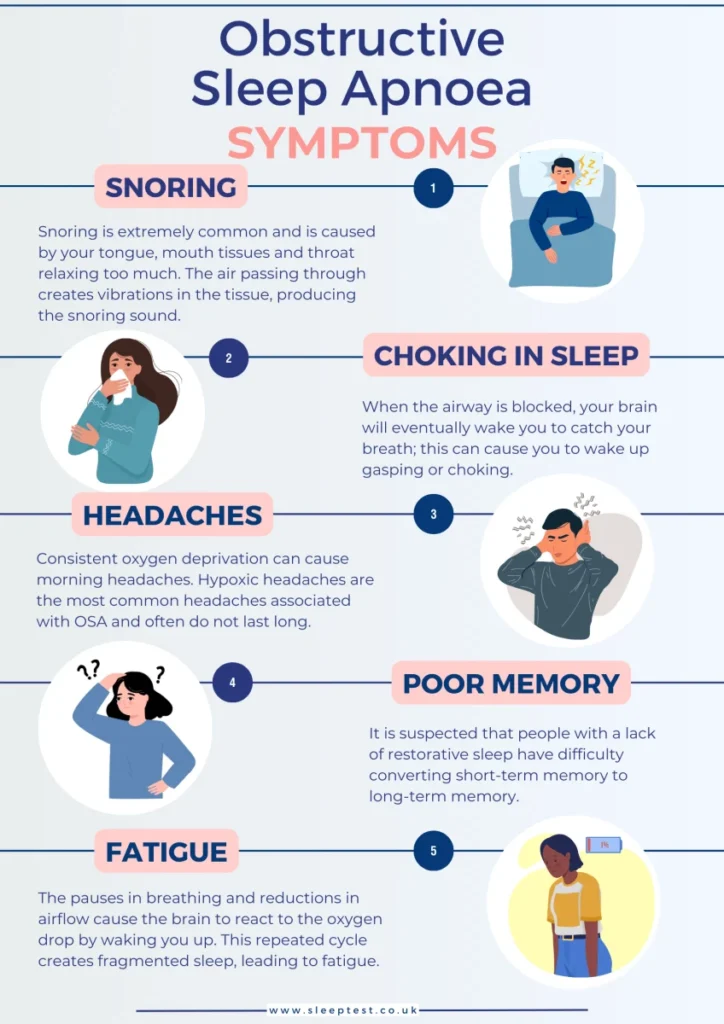
Recent coverage has also highlighted the clinical side of the topic, including recognition for excellence in sleep apnea surgery in the news. If you want that broader context, see this Paducah physician recognized for excellence in obstructive sleep apnea surgery.
Bottom line: snoring can be simple, or it can be a sign of something bigger. Either way, better sleep is worth pursuing.
Timing: when to try a mouthpiece vs. when to get checked
People often shop for solutions after a rough stretch: a red-eye flight, a stressful deadline, or a partner who’s reached their limit. That’s normal. Still, timing matters because some symptoms shouldn’t be handled with trial-and-error.
Try a mouthpiece first if the situation sounds like this
- Snoring is frequent, but you don’t have choking or gasping episodes.
- You mainly want to reduce noise and improve sleep continuity.
- Snoring is worse on your back, after alcohol, or when congested.
Get medical guidance sooner if any of these show up
- Witnessed pauses in breathing during sleep.
- Waking up choking, gasping, or with a racing heart.
- Significant daytime sleepiness, morning headaches, or high blood pressure concerns.
Those patterns can be associated with obstructive sleep apnea. A clinician can help you sort out what’s going on and what options fit your situation.
Supplies: what you need for a smoother start
Comfort and consistency beat “perfect” on night one. Set yourself up like you would for any new routine.
- Mouthpiece + case: store it dry and protected.
- Gentle cleaning setup: soft toothbrush and mild soap (avoid harsh cleaners unless the product allows them).
- Water: for rinsing and quick cleanup.
- Optional comfort helpers: saline rinse or nasal strips if congestion is part of your snoring pattern.
- A simple sleep plan: side-sleep support (pillow setup) and a consistent lights-out window.
If you’re comparing products, start here: anti snoring mouthpiece.
Step-by-step (ICI): Insert, Check, Improve
This is the repeatable process that helps people stick with an anti snoring mouthpiece. Think of it as a quick nightly checklist, not a big project.
I — Insert (set the fit without forcing it)
Wash your hands, then place the mouthpiece as directed by the manufacturer. Aim for a secure feel, not a “clamped” jaw. If you feel sharp pressure on a tooth or your gums, pause and reassess the fit.
Try a relaxed jaw position before you fall asleep. Tension makes everything feel worse, including snoring.
C — Check (comfort, breathing, and bite)
Do a 30-second check while you’re still awake:
- Comfort: mild awareness is common; pain is not.
- Breathing: you should be able to breathe comfortably through your nose. If you can’t, address congestion first.
- Jaw feel: your jaw should not feel “stuck” forward.
If you share a bed, this is also the moment for relationship diplomacy. A quick “tell me if it’s quieter” beats a 2 a.m. elbow to the ribs.
I — Improve (small tweaks that change results)
Use one tweak at a time for a few nights so you know what helped.
- Positioning: side-sleeping often reduces snoring for many people. A pillow behind your back can prevent rolling.
- Alcohol timing: if snoring spikes after drinks, try moving alcohol earlier in the evening.
- Wind-down: burnout-style stress can fragment sleep. A short, boring routine (dim lights, no doomscrolling) helps more than people expect.
- Travel reset: after a trip, prioritize the first two nights. Keep bedtime consistent and avoid heavy late meals.
Mistakes that make mouthpieces feel “bad” (and how to avoid them)
Going from zero to all-night on day one
Many people do better with a ramp-up. Wear it for a shorter stretch at first, then extend as comfort improves.
Ignoring jaw pain or tooth soreness
Discomfort can happen early, but significant pain is a stop sign. If you have TMJ symptoms or dental concerns, get professional input before pushing through.
Chasing every trend at once
Sleep headlines rotate fast: connected devices, new oral appliances, and viral ideas like mouth taping. Mixing multiple changes makes it hard to tell what’s working. Pick one primary tool, then add supporting habits.
Skipping cleaning and storage
A mouthpiece that smells weird won’t get used. Rinse after use, clean gently, and let it dry fully in its case.
FAQ
What’s the difference between snoring and sleep apnea?
Snoring is sound from vibration in the upper airway. Sleep apnea involves repeated breathing disruptions during sleep. Only a clinician can diagnose sleep apnea.
Will an anti snoring mouthpiece improve sleep quality?
It can for some people, especially if snoring is the main disruptor. Better sleep quality usually shows up as fewer awakenings and better daytime energy, not just lower volume.
Do “connected” sleep devices matter?
They can help with awareness and consistency. Still, comfort and adherence matter more than dashboards. If a device makes you anxious, it may backfire.
CTA: pick a simple next step tonight
If snoring is hurting your sleep quality (or your partner’s), start with a tool you can actually use consistently. Then support it with positioning and a calmer wind-down.
How do anti-snoring mouthpieces work?
Medical disclaimer: This article is for general education only and is not medical advice. Snoring can be a symptom of obstructive sleep apnea or other conditions. If you have choking/gasping, witnessed breathing pauses, severe daytime sleepiness, or jaw/dental pain with an oral device, seek guidance from a qualified clinician.