
Snoring is having a moment. Not in a cute way.
Between sleep trackers, “biohacking” trends, and travel fatigue, people are paying attention to what wrecks their nights.
If your sleep quality is slipping, treat snoring like a solvable airflow problem—not a personality flaw.
The big picture: why snoring keeps showing up in sleep talk
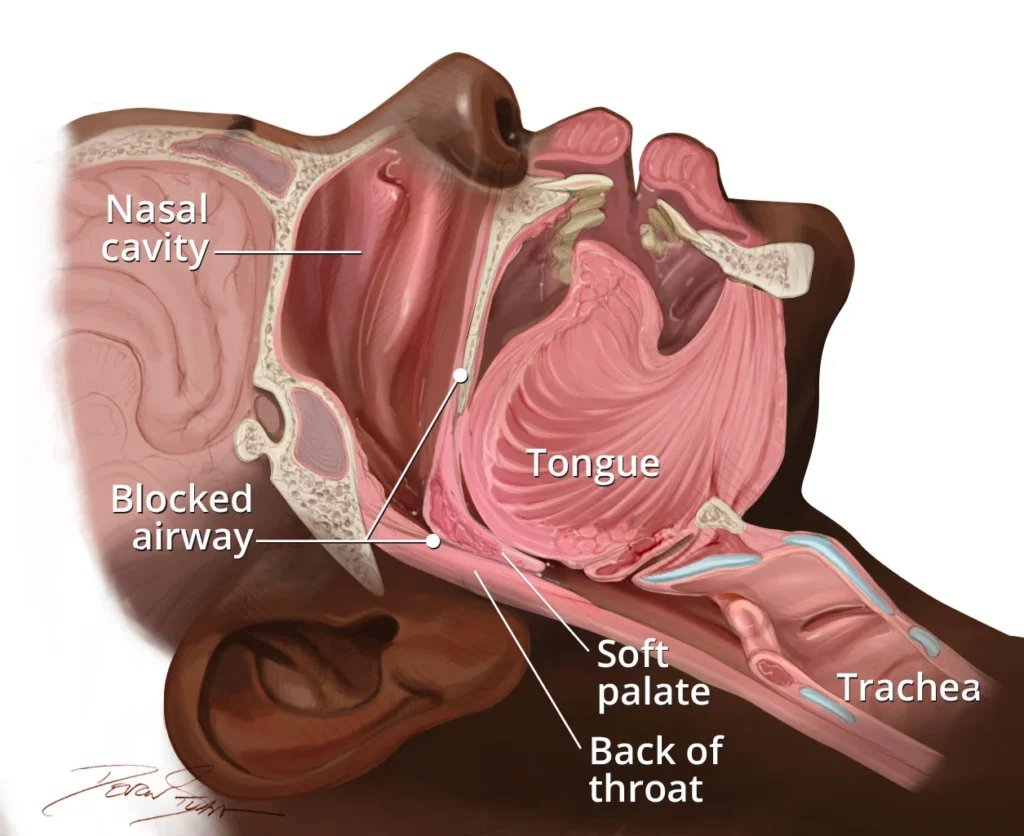
Snoring is often the sound of resistance in your airway. That resistance can fragment sleep, even if you don’t fully wake up. The result is a familiar combo: groggy mornings, shorter patience, and that “why am I tired again?” feeling.
It’s also why snoring gets pulled into bigger health conversations. Many headlines have highlighted that poor sleep quality and breathing issues during sleep can overlap with heart health concerns, and that snoring isn’t always “just annoying.” Keep it simple: noise can be a clue.
Another thread in the culture right now is confusion about sleep labels. A recent doctor-led explainer has made the rounds on the difference between insomnia and “struggling to sleep.” If you want the general idea, see Doctor explains the key difference between having insomnia and struggling to sleep.
The emotional layer: relationships, burnout, and the “quiet room” problem
Snoring isn’t only a health topic. It’s a relationship topic, a travel topic, and sometimes a workplace burnout topic.
When one person snores, both people can lose sleep. That’s when “separate blankets” jokes become “separate bedrooms” negotiations. Add business travel, jet lag, or a packed hotel room, and snoring can feel like a nightly performance nobody asked to attend.
On top of that, modern sleep culture pushes gadgets as the answer to everything. Trackers can be useful, but they can also turn sleep into a scoreboard. A simpler win is to reduce the thing that’s most disruptive first: the noise and airflow resistance.
Practical steps: where an anti snoring mouthpiece fits
An anti snoring mouthpiece is a tool, not a miracle. For many snorers, the goal is mechanical: improve airflow by changing positioning.
1) Start with positioning basics (before you buy anything)
These are low-effort, high-upside checks:
- Side sleeping: Many people snore more on their back.
- Pillow height: Too high or too flat can kink alignment.
- Alcohol timing: Late drinking can worsen snoring for some people.
- Nasal comfort: If you can’t breathe through your nose, nights get louder.
If those don’t move the needle, a mouthpiece may be the next practical step.
2) Understand the two common mouthpiece styles
Most anti-snoring mouthpieces fall into one of these buckets:
- Mandibular advancement style: Encourages the lower jaw forward to help keep the airway more open.
- Tongue-retaining style: Helps keep the tongue from falling back.
The best choice often comes down to comfort and what you can tolerate night after night. Consistency beats “perfect” design that sits in a drawer.
3) ICI basics: instructions, comfort, and incremental adjustment
Instructions: Follow the fitting steps exactly. Guessing usually leads to hotspots and soreness.
Comfort: Aim for “secure, not tight.” If your teeth feel pressured or your jaw feels forced, back off and re-fit if possible.
Incremental adjustment: If the mouthpiece allows changes, move in small steps. Give each setting a few nights before deciding it “doesn’t work.”
4) Cleanup that keeps you using it
People quit mouthpieces for one boring reason: maintenance friction. Make it easy.
- Rinse after use.
- Clean gently as directed by the manufacturer.
- Dry fully before storing.
That’s it. A complicated routine doesn’t survive real life.
Safety and testing: when snoring is more than a nuisance
Snoring can be harmless, but it can also be a sign of obstructive sleep apnea. Many mainstream medical sources list red flags like loud snoring plus choking/gasping, witnessed breathing pauses, morning headaches, or major daytime sleepiness.
If any of those fit, don’t self-test forever. Treat it like an airway issue worth evaluating. A mouthpiece may still be part of the solution, but you’ll want the right level of care.
Also worth a quick note on trends: mouth taping gets discussed a lot. If you’re congested, anxious about breathing, or you suspect sleep apnea, don’t treat a viral hack as a safety plan.
Medical disclaimer: This article is for general education and does not provide medical advice, diagnosis, or treatment. If you suspect sleep apnea or have significant daytime sleepiness, choking/gasping at night, or heart/lung conditions, talk with a qualified clinician.
FAQs: quick answers people want right now
Can an anti snoring mouthpiece stop snoring completely?
Sometimes, but not always. Many people see a reduction in volume and frequency. The key is matching the tool to the cause and using it consistently.
Will a mouthpiece help if my snoring is worse when I’m exhausted?
It may. Travel fatigue and burnout can make sleep lighter and more fragmented, which makes snoring feel louder and more disruptive. A mouthpiece can help if positioning is a driver.
What if my partner says I still snore?
Use simple feedback: “Is it quieter? Less often? Fewer wake-ups?” If nothing changes after a fair trial, reassess fit, style, and possible medical causes.
CTA: pick a mouthpiece you’ll actually wear
If you’re ready to test a practical tool, start by reviewing anti snoring mouthpiece and choose based on comfort, adjustability, and ease of cleaning.