
Snoring isn’t just a “funny” relationship problem anymore. It’s showing up in conversations about burnout, wearable sleep scores, and that groggy feeling after travel.
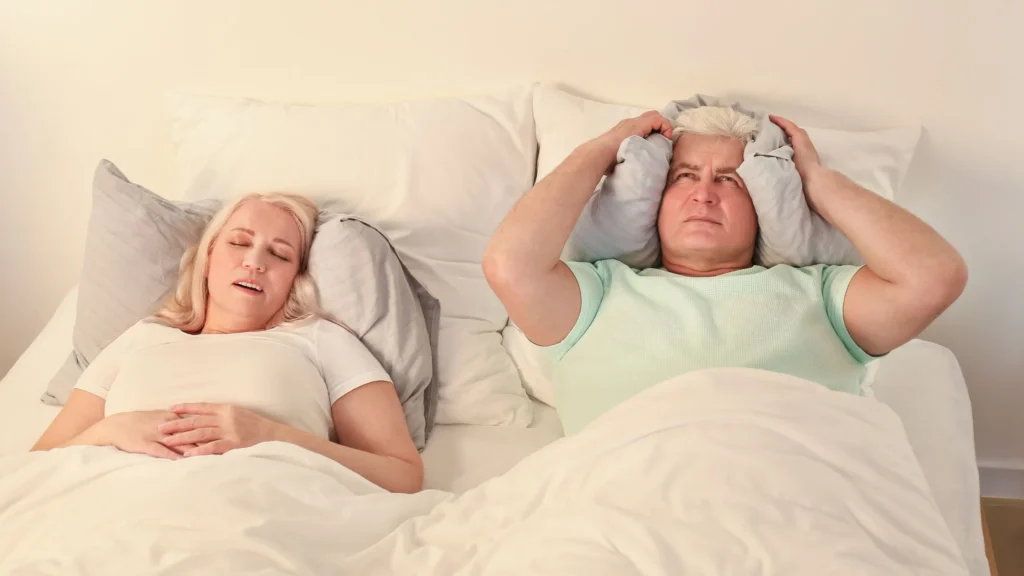
And in winter, it can feel louder—like your bedroom suddenly developed surround sound.
Thesis: If snoring is dragging down sleep quality, an anti snoring mouthpiece can be a practical tool—but only after a quick, safety-first screen for bigger issues.
Big picture: why snoring is getting so much attention
Sleep has become a mainstream health trend. People compare sleep stats the way they used to compare steps. New gadgets keep launching, from app-driven trackers to connected oral appliances being tested in broader “connected care” ecosystems.
At the same time, real life is loud. Work stress, late-night scrolling, business travel, and seasonal congestion can all push sleep in the wrong direction. Snoring ends up as the symptom everyone hears.
The emotional side: it’s not just noise, it’s friction
Snoring jokes land because they’re relatable. But the impact is real: resentment, separate bedrooms, and that low-grade anxiety of “Will I wake them up again?”
If you’ve tried earplugs, white noise, and the “strategic pillow wall,” you’re not alone. Many couples want a solution that feels simple, not clinical.
Practical steps: what to try before (and alongside) a mouthpiece
Think of snoring as airflow plus vibration. Your goal is to make breathing easier and reduce collapse or obstruction during sleep.
Step 1: spot the winter triggers
In colder months, dry indoor air and congestion can push people into mouth breathing. That often makes snoring more likely.
- Check for nasal stuffiness at night (not just during the day).
- Keep the bedroom air comfortably humid if dryness is a pattern.
- Review alcohol timing; it can relax airway muscles for some people.
Step 2: reduce “sleep debt” behaviors that amplify snoring
Travel fatigue and workplace burnout can change sleep depth and schedule. That can make snoring more noticeable, even if the root cause didn’t change.
- Keep a consistent bedtime window when possible.
- Avoid heavy meals right before bed if reflux or throat irritation is an issue.
- Try side-sleeping if back-sleeping is your default.
Step 3: where an anti snoring mouthpiece fits
Many anti-snoring mouthpieces aim to support the lower jaw and tongue position so the airway stays more open. People often look at them when snoring is frequent, partner-disrupting, and not solved by quick lifestyle tweaks.
If you’re comparing products, start here: anti snoring mouthpiece.
Safety and screening: protect your health (and document your choice)
Snoring can be harmless. It can also be a sign you should take seriously, especially when it overlaps with symptoms linked to sleep apnea.
Do a fast “red-flag” check
- Breathing pauses witnessed by a partner
- Choking or gasping during sleep
- Morning headaches, dry mouth, or severe daytime sleepiness
- High blood pressure or heart concerns (discuss with a clinician)
If those show up, don’t self-treat blindly. Read up on the broader health context and then talk to a professional. A helpful starting point is this coverage: Why do people snore more in winter?: Health expert reveals reasons of snoring and 7 precautions to prevent ….
Fit, comfort, and oral health matter
A mouthpiece shouldn’t feel like a nightly wrestling match. Track comfort for the first 1–2 weeks.
- Stop if you develop jaw pain, tooth pain, or persistent gum irritation.
- If you have TMJ issues, loose teeth, or major dental work, ask a dentist first.
- Clean it consistently and store it dry to reduce hygiene risks.
Simple “testing” so you know it’s working
Don’t rely on vibes alone. Use a basic plan and write it down.
- Pick a 10–14 night trial window.
- Track: partner report, your morning energy, and any jaw soreness.
- If snoring improves but daytime sleepiness doesn’t, consider screening for sleep apnea.
Medical disclaimer: This article is for general education and isn’t medical advice. Snoring can be a symptom of sleep apnea or other conditions. If you have red-flag symptoms, significant daytime sleepiness, or heart/lung concerns, seek evaluation from a qualified clinician.
Next step: get an answer fast
If your screen is clear and you want a practical tool to test, start with a mouthpiece and measure results. Keep it simple. Keep it safe.