
It was the third night of a work trip. The hotel pillows were too soft, the room was too dry, and the next-day calendar was stacked. At 2:17 a.m., the snoring started again—followed by a sharp elbow and a half-joke: “Can we buy one of those sleep gadgets people keep posting?”
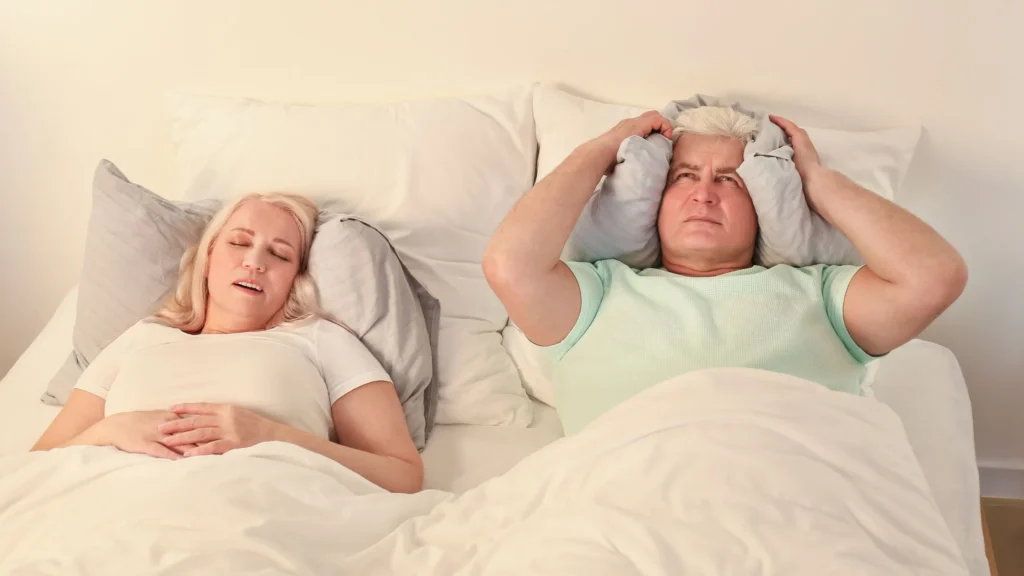
That moment is where a lot of people are right now. Sleep tech is trending, burnout is real, and couples are negotiating bedtime like it’s a team project. If you’re looking at an anti snoring mouthpiece, use this no-fluff decision guide to pick a smart next step.
First: don’t confuse “loud” with “harmless”
Snoring can be a simple vibration issue, but it can also be linked to sleep-disordered breathing. Recent health coverage keeps circling the same point: sleep quality and heart health are connected, and sleep apnea is a serious condition.
If your snoring comes with breathing pauses, choking/gasping, or heavy daytime sleepiness, treat that as a signal—not a punchline.
The “If…then…” decision guide (quick and practical)
If your partner says it’s getting worse, then start with pattern spotting
Before you buy anything, track the basics for one week. Note alcohol, late meals, congestion, travel days, and stress spikes. Many people notice snoring flares after flights, during allergies, or in high-pressure weeks.
Relationship tip: don’t debate the volume at midnight. Agree on a plan during the day, then test changes like adults, not rivals.
If you’re tempted by “viral fixes,” then slow down
Social feeds love dramatic before-and-after sleep hacks. One trend getting pushback is nighttime mouth-taping. Concerns are simple: if your nose is blocked or you have undiagnosed breathing issues, restricting airflow is not a great experiment.
For a general overview of that caution, see Scientists warn against viral nighttime mouth-taping trend.
If your snoring is mostly “mouth-open” snoring, then a mouthpiece may be a reasonable next test
Many people snore more when their jaw drops back and the airway narrows. A mouthpiece is designed to support a better position during sleep. That’s why it’s often discussed as a practical, non-electronic option when you want something simpler than another wearable.
If you’re exploring options, start here: anti snoring mouthpiece.
If you wake up tired even after “enough hours,” then don’t ignore sleep quality
Snoring is loud, but poor sleep quality is the real thief. People also talk more openly now about ADHD and sleep routines—because inconsistent sleep timing can make fatigue feel brutal, even without snoring.
In that situation, a mouthpiece can be one piece of the puzzle, not the whole plan. Pair any snoring strategy with basics like consistent sleep windows, a wind-down routine, and fewer late-night stimulants.
If you suspect sleep apnea, then prioritize screening over shopping
Snoring plus witnessed breathing pauses, gasping, morning headaches, or severe daytime sleepiness can point toward sleep apnea. That’s not a DIY category. A clinician can guide testing and options.
Use a mouthpiece conversation as a gateway to getting checked, especially if your partner is noticing breathing changes.
What a mouthpiece can do (and what it can’t)
It can: reduce snoring in some people by improving nighttime jaw/tongue position and airflow. It can also give couples a calmer bedtime plan, which matters more than people admit.
It can’t: guarantee results for every snorer, replace medical care for suspected sleep apnea, or compensate for nightly habits that wreck sleep (heavy alcohol, inconsistent schedule, untreated congestion).
Quick talk tracks for couples (so this doesn’t turn into a fight)
- Make it a trial: “Let’s test one change for 10 nights and re-evaluate.”
- Separate blame from impact: “I know you’re not doing it on purpose. I still can’t sleep.”
- Protect both jobs: “We both need functioning brains tomorrow. Let’s pick a plan.”
FAQ: fast answers people want before they try anything
Is snoring just annoying? Sometimes. But if it’s paired with red flags like pauses in breathing or major daytime sleepiness, take it seriously.
Is mouth-taping safer than a mouthpiece? Not automatically. If nasal breathing is compromised, taping can create problems instead of solving them.
Will a mouthpiece help travel fatigue? It might help if travel triggers snoring for you. Still, dry air, alcohol, and irregular sleep schedules can overwhelm any single tool.
CTA: choose a clear next step
If snoring is straining sleep and the relationship, you don’t need another gimmick. You need a simple decision and a consistent trial.
How do anti-snoring mouthpieces work?
Medical disclaimer: This article is for general education only and isn’t medical advice. Snoring can be a symptom of sleep apnea or other health conditions. If you have choking/gasping, breathing pauses, chest pain, severe daytime sleepiness, or concerns about heart health, talk with a qualified clinician.