
Snoring has become a full-time side hustle for the internet. One week it’s a new wearable, the next it’s a viral “hack” that promises perfect sleep. Meanwhile, you’re still tired.
Travel fatigue, burnout, and late-night scrolling don’t help either. And if you share a bed, snoring can turn into relationship comedy until it stops being funny.
Thesis: Skip the hype and run a simple, budget-friendly test plan—starting with sleep basics and an anti snoring mouthpiece if your snoring fits the pattern.
The big picture: why snoring is having a moment
Sleep is trending because people feel worn down. Work stress, irregular schedules, and “always on” culture make every bad night feel expensive the next day.
That pressure creates a perfect market for quick fixes. It also explains why mouth taping and other dramatic-looking solutions spread fast on social media.
Snoring itself is common. It often comes from vibrating tissues when airflow gets turbulent. The trick is figuring out what’s driving your snoring before you buy another gadget.
The human side: what snoring does to your life (and your partner)
Snoring isn’t just noise. It can chip away at mood, focus, and patience. That shows up as short tempers, more caffeine, and less motivation to work out.
For couples, it can become a nightly negotiation: earplugs, pillow walls, separate rooms, or jokes that land a little too close to home. The goal is better sleep for both people, not a new argument.
If you’re traveling a lot, it gets worse. New beds, dry hotel air, alcohol with dinner, and jet lag can all make snoring louder and sleep lighter.
Practical steps: a no-waste plan you can run at home
Step 1: Do the cheap fixes first (3 nights)
Before you spend money, tighten the basics for a few nights. Keep it simple and measurable.
- Side-sleep when possible (back-sleeping often worsens snoring).
- Reduce alcohol close to bedtime.
- Address obvious nasal stuffiness (dry air, seasonal congestion, irritants).
- Set a consistent wind-down time to cut the “wired but tired” spiral.
Then ask one question: did the snoring drop, and do you feel better in the morning?
Step 2: If snoring persists, test an anti snoring mouthpiece (7–14 nights)
An anti snoring mouthpiece is a practical next move for many people because it targets airflow mechanics during sleep. It’s also usually cheaper than cycling through multiple sleep gadgets.
Pick one approach and commit to a short trial. Track two things: (1) snoring volume/frequency (a simple phone recording is enough), and (2) next-day alertness.
If you want a combined option, consider a anti snoring mouthpiece. It’s a straightforward way to test whether jaw position and mouth-breathing are part of your pattern.
Step 3: Use a “relationship-friendly” scorecard
Snoring solutions fail when they’re miserable to wear. Comfort matters because consistency is the whole game.
- Comfort: Can you tolerate it for a full night?
- Noise change: Is your partner waking up less?
- Morning feel: Less fog, fewer headaches, better mood?
- Fit: Any sharp pressure points or jaw soreness?
If you can’t wear it, it doesn’t work—no matter what the marketing says.
Safety and testing: avoid the viral trap
Be cautious with mouth taping
Viral nighttime mouth-taping gets attention because it looks like a “hardcore” fix. But scientists and clinicians have raised concerns about using it broadly, especially for people who may have nasal obstruction or other breathing issues.
If you’re looking for a balanced take, read this coverage on Scientists warn against viral nighttime mouth-taping trend.
Know when snoring is a red flag
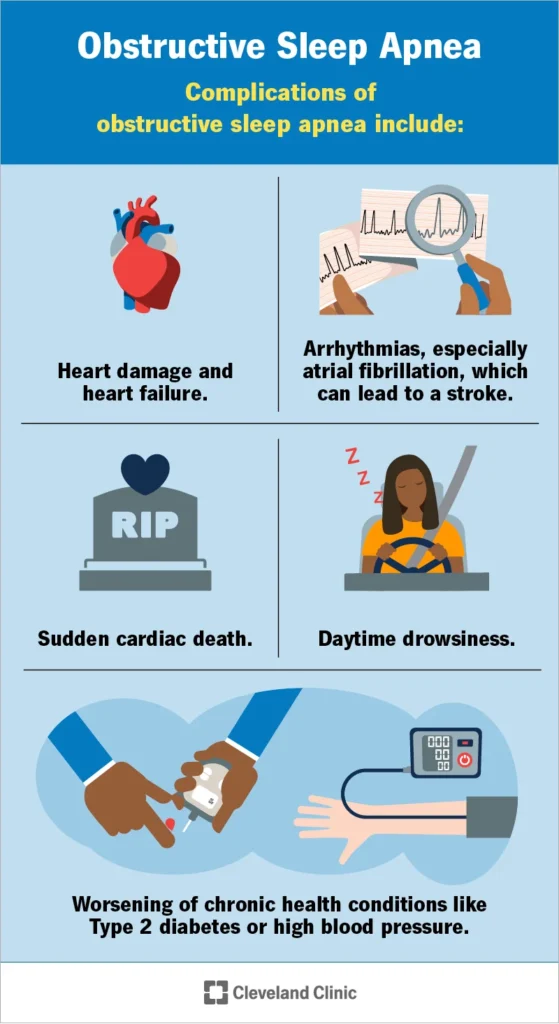
Some snoring is simple. Some snoring can overlap with sleep apnea symptoms. If you have loud snoring plus choking/gasping, witnessed breathing pauses, or heavy daytime sleepiness, don’t DIY your way past it.
A mouthpiece may still be part of your plan, but you’ll want medical guidance and proper evaluation first.
Quick comfort rules for mouthpieces
- Stop if you develop significant jaw pain, tooth pain, or worsening headaches.
- Re-check fit if you wake up with soreness that doesn’t fade quickly.
- Keep the test window short and track results so you’re not guessing.
FAQ
Do anti-snoring mouthpieces work for everyone?
No. They often help with simple snoring, but they may not help if snoring is driven by nasal blockage, alcohol, or untreated sleep apnea.
Is mouth taping a safe snoring fix?
It can be risky for some people, especially if you have nasal congestion or any breathing issue. If you’re tempted by viral hacks, talk to a clinician first.
How fast can an anti snoring mouthpiece help?
Some people notice changes in a few nights, but it’s smarter to test for 1–2 weeks while tracking snoring and next-day energy.
What’s the difference between a mouthpiece and a chin strap?
A mouthpiece is designed to position the jaw or tongue to reduce vibration. A chin strap mainly supports keeping the mouth closed and may be used alongside other approaches.
When should snoring be checked for sleep apnea?
If you have loud snoring plus choking/gasping, witnessed breathing pauses, significant daytime sleepiness, or high blood pressure, get evaluated for sleep apnea.
Next step: get a clear answer without buying five gadgets
If you’re done experimenting and want a structured approach, start with one measurable trial. Run the basics, then test a mouthpiece if your snoring doesn’t budge.
How do anti-snoring mouthpieces work?
Medical disclaimer: This article is for general information only and is not medical advice. Snoring can have multiple causes, including sleep apnea. If you have breathing pauses, choking/gasping, severe daytime sleepiness, chest pain, or other concerning symptoms, seek evaluation from a qualified clinician.