
On the third night of a work trip, someone in the hotel room next door started snoring like a leaf blower. The hallway jokes wrote themselves by breakfast. Back home, the punchline flips fast when your partner says, “You kept me up again,” and you realize your sleep quality is turning into a relationship tax.
That’s why snoring fixes are having a moment. Sleep gadgets are everywhere, burnout is real, and “quick hacks” spread faster than good habits. One trend getting attention is taping your mouth at night, and scientists have warned it isn’t a universally safe idea. If you’re trying to breathe better and sleep deeper, you need a plan that’s simple and cautious.
Below is a direct decision guide for choosing an anti snoring mouthpiece (and knowing when not to). No hype. Just next steps.
Start here: what snoring is (and why it matters)
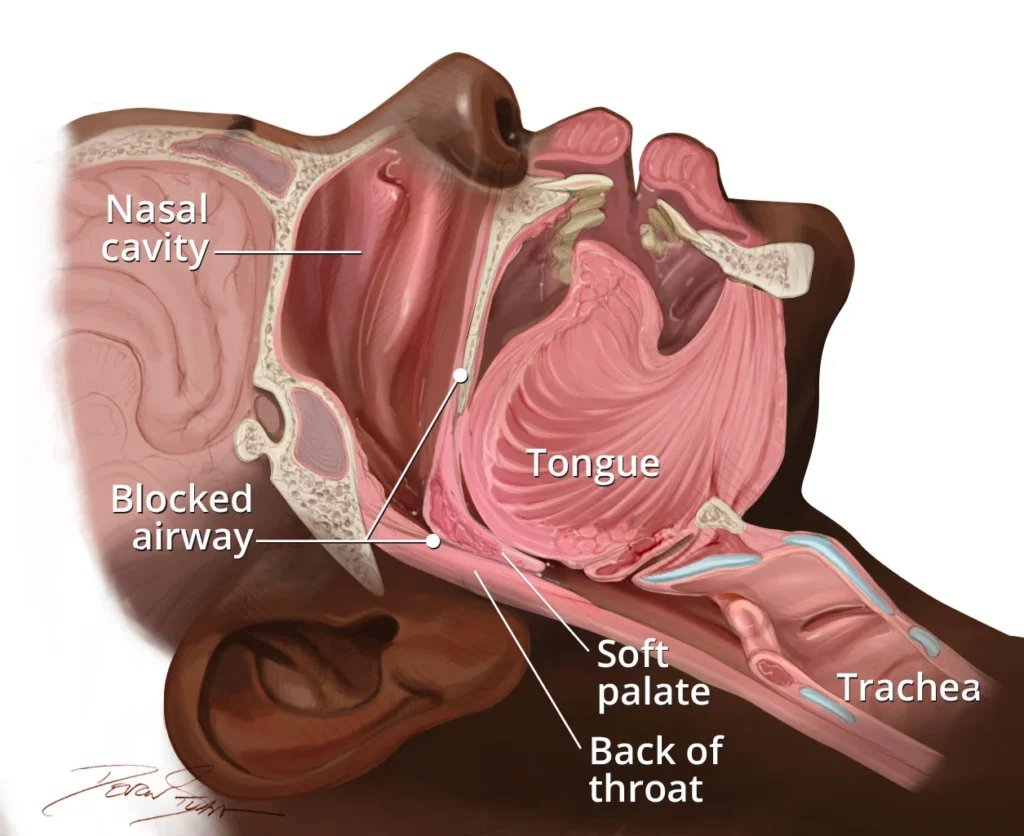
Snoring usually happens when airflow gets noisy as tissues relax during sleep. It can be worse with back sleeping, alcohol, nasal congestion, or weight changes. Sometimes it’s “just” disruptive. Other times it’s a sign your breathing is repeatedly impaired, which can affect energy, mood, and long-term health.
Important: if snoring is paired with gasping, choking, witnessed pauses in breathing, or strong daytime sleepiness, treat it as a red flag. Sleep apnea is a medical condition and deserves proper evaluation.
Decision guide: If this, then that
If your snoring is new after travel, stress, or burnout…
Then: assume your routine is the first lever. Jet lag, late meals, alcohol, and inconsistent bedtimes can spike snoring. Sleep “reset” trends (like structured wind-down timers) can help you get consistent without buying another device.
- Pick a steady sleep window for a week.
- Reduce alcohol close to bedtime.
- Side-sleep when you can.
If snoring stays loud after your schedule stabilizes, move to the next branch.
If snoring is worst on your back…
Then: a positional strategy may be enough. Some people do well with pillow changes or gentle reminders to stay on their side. If you still snore on your side, consider mouth-based options next.
If you wake with dry mouth or you’re a mouth breather…
Then: don’t jump straight to viral “seal your mouth” solutions. The internet has been buzzing about mouth taping, but experts have raised concerns about safety and fit for certain people. They point out that restricting airflow can be a bad idea if you have nasal blockage or undiagnosed sleep apnea.
Read more about Scientists warn against viral nighttime mouth-taping trend before you try it.
Then: consider a mouthpiece approach instead. An anti-snoring mouthpiece is designed to support airflow by adjusting jaw or tongue position, not by blocking your mouth. Comfort and correct use matter.
If your partner reports “stop-start” breathing, choking, or you’re exhausted during the day…
Then: don’t self-experiment for months. Book a medical evaluation for possible sleep apnea. Snoring can be more than a nuisance, and sleep apnea has known links to cardiovascular strain. A mouthpiece may still be part of a plan, but a clinician should guide the big picture.
If you want a practical product option to trial…
Then: look for a setup that supports both jaw position and mouth closure, especially if you tend to sleep with your mouth open. One option is an anti snoring mouthpiece. It’s a straightforward way to test whether mechanical support reduces snoring and improves sleep quality.
Quick fit and comfort checks (don’t skip these)
- No sharp pain: mild awareness is one thing; jaw pain is a stop sign.
- Watch your bite: if your bite feels “off” and doesn’t reset after waking, reassess.
- Breathing stays easy: you should never feel like airflow is restricted.
- Small changes first: pair with side-sleeping and a consistent bedtime for the best read on results.
FAQ: snoring, mouthpieces, and sleep quality
Can a mouthpiece improve sleep quality even if I don’t fully wake up?
Yes. If snoring is fragmenting sleep (yours or your partner’s), reducing it may lead to fewer micro-arousals and better rest.
What if I have ADHD and my sleep schedule is chaotic?
Keep the plan simple. Choose one repeatable wind-down cue, protect a consistent wake time, and use snoring tools as support—not a replacement for routine.
Is snoring worse with burnout?
It can be. Stress can push later bedtimes, more alcohol or late eating, and lighter sleep, which can all make snoring more noticeable.
Should I try a “sleep hack” before buying anything?
Often, yes. If snoring is mild and situational, routine changes may be enough. If snoring is chronic or loud, a mouthpiece trial can be reasonable while you also address habits.
CTA: choose the next move (and keep it safe)
If snoring is messing with your mood, focus, or relationship, don’t chase every trend. Use the branches above, watch for red flags, and pick one change you can stick with for two weeks.
How do anti-snoring mouthpieces work?
Medical disclaimer: This article is for general education and does not provide medical advice or a diagnosis. If you have symptoms of sleep apnea (gasping, choking, breathing pauses, or significant daytime sleepiness), or you have heart/lung conditions, talk with a qualified clinician or sleep specialist.