
Before you try anything for snoring, run this quick checklist:
- Red-flag scan: choking/gasping at night, witnessed breathing pauses, morning headaches, high blood pressure, or heavy daytime sleepiness.
- Safety check: jaw pain, loose teeth, gum disease, or major dental work in progress? Pause and ask a dentist first.
- Trigger check: alcohol near bedtime, nasal congestion, back-sleeping, and travel fatigue.
- Relationship reality: if it’s causing conflict, treat it like a health issue, not a personality flaw.
- Plan to document: note what you tried, dates, and what changed (snoring volume, sleep quality, energy).
What people are talking about right now (and why)
Sleep is having a moment. Wearables score your night. “Smart” rings nudge bedtime. Hotels sell blackout kits. Meanwhile, workplace burnout pushes more people to chase quick fixes that promise deeper rest.
Snoring sits right in the middle of those trends because it’s noisy, public, and hard to ignore. It can turn travel recovery into a second job. It can also become a running joke in relationships—until nobody is laughing because both people are exhausted.
In the broader sleep conversation, there’s also renewed attention on serious sleep-disordered breathing. Local news stories highlighting physician recognition for obstructive sleep apnea care add to that awareness. If you want context on that side of the discussion, see Paducah physician recognized for excellence in obstructive sleep apnea surgery.
What matters medically (so you don’t miss the big stuff)
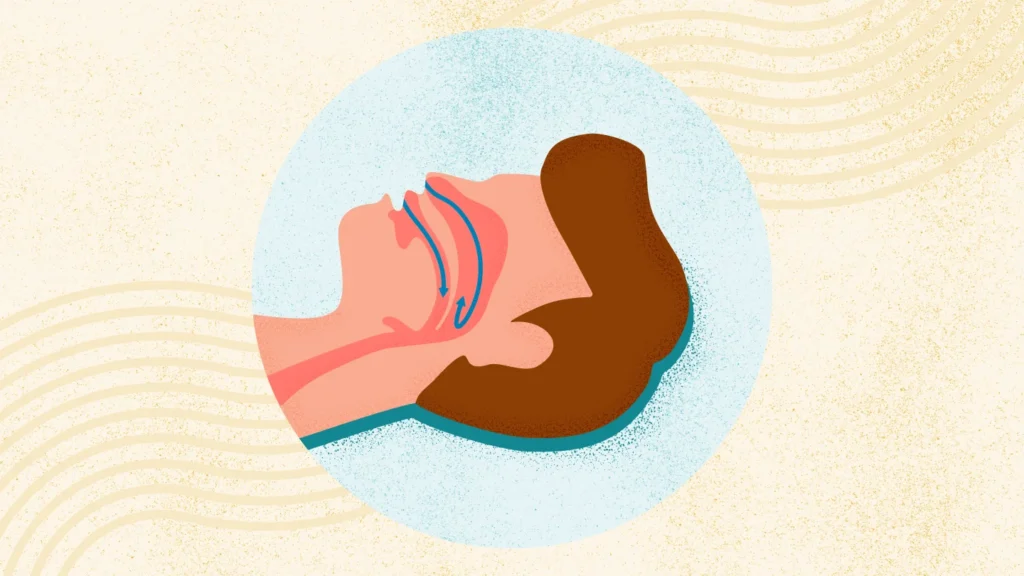
Snoring can be “just snoring,” but it can also be a sign that airflow is restricted during sleep. That’s where screening matters. The goal is simple: don’t mask a problem that needs medical care.
Take snoring more seriously if you also have any of these:
- Witnessed breathing pauses
- Gasping or choking during sleep
- Excessive daytime sleepiness or dozing at work
- Morning headaches or dry mouth
- High blood pressure or heart risk factors
Why the urgency? Sleep apnea has been widely discussed in connection with cardiovascular strain and overall health. You don’t need to self-diagnose. You do need to avoid treating loud snoring as a harmless quirk when your body is waving a warning flag.
How to try at home (low-drama, higher-safety steps)
Start with changes that are easy to reverse and easy to track. Then consider an anti snoring mouthpiece if the pattern fits.
Step 1: Fix the “sleep setup” before buying another gadget
- Side-sleep support: a body pillow or positional aid can reduce back-sleeping snoring for some people.
- Nasal comfort: address temporary congestion and keep the bedroom air comfortable.
- Alcohol timing: avoid late-night drinks when snoring spikes.
- Travel recovery plan: after flights or long drives, prioritize hydration and a consistent bedtime. Travel fatigue often amplifies snoring.
Step 2: Consider an anti snoring mouthpiece when the pattern points to airflow crowding
A mouthpiece is a practical option when snoring seems tied to jaw position and airway space during sleep. It’s also popular because it’s portable, which makes it appealing for travel and shared rooms.
Risk control matters. Choose an option designed for overnight use, keep it clean, and stop if you develop significant jaw pain, tooth pain, or bite changes. If you already have TMJ issues, a dentist’s input is a smart move.
If you want a product option to compare, here’s a relevant listing: anti snoring mouthpiece.
Step 3: Track results like you’re reducing risk, not chasing vibes
Use whatever is easiest: a notes app, a snoring app, or wearable trends. Keep it simple:
- Bedtime and wake time
- Alcohol, late meals, congestion, and travel days
- Partner feedback (volume, frequency, pauses)
- How you feel at 10 a.m. (energy, focus, irritability)
This documentation helps you make calmer decisions. It also helps a clinician if you need one later.
When to stop DIY and get help
Don’t “power through” these signs. Escalate to a clinician or sleep specialist if you notice:
- Breathing pauses, choking, or gasping
- Daytime sleepiness that affects driving or work
- High blood pressure that’s hard to control
- Snoring that’s worsening fast or paired with new symptoms
Also get dental guidance if a mouthpiece causes persistent jaw soreness, tooth movement sensations, or headaches. Comfort issues aren’t just annoying—they can be a sign the fit or approach isn’t right for you.
FAQ: Quick answers people want before buying
Do mouthpieces work immediately?
Sometimes. Many people need a short adjustment period. Track outcomes across multiple nights, not one.
Can I use a mouthpiece if I grind my teeth?
Maybe, but grinding can complicate comfort and fit. If you suspect bruxism, consider dental input.
Is a “connected” oral appliance better?
Some newer devices aim to integrate with connected care. That’s promising for tracking and follow-up, but the basics still matter: safety, fit, and proper screening for apnea.
Next step: get a clear answer, not another sleepless week
If snoring is hurting sleep quality in your home, pick one change to test this week and document it. If you’re ready to explore a mouthpiece option, start with a product built for overnight comfort and consistent use.
How do anti-snoring mouthpieces work?
Medical disclaimer: This article is for general education only and is not medical advice. Snoring can be a symptom of obstructive sleep apnea or other conditions. If you have red flags (gasping, breathing pauses, severe daytime sleepiness, or cardiovascular concerns), seek evaluation from a qualified clinician.