
Q: Is snoring “just annoying,” or is it messing with your sleep quality?
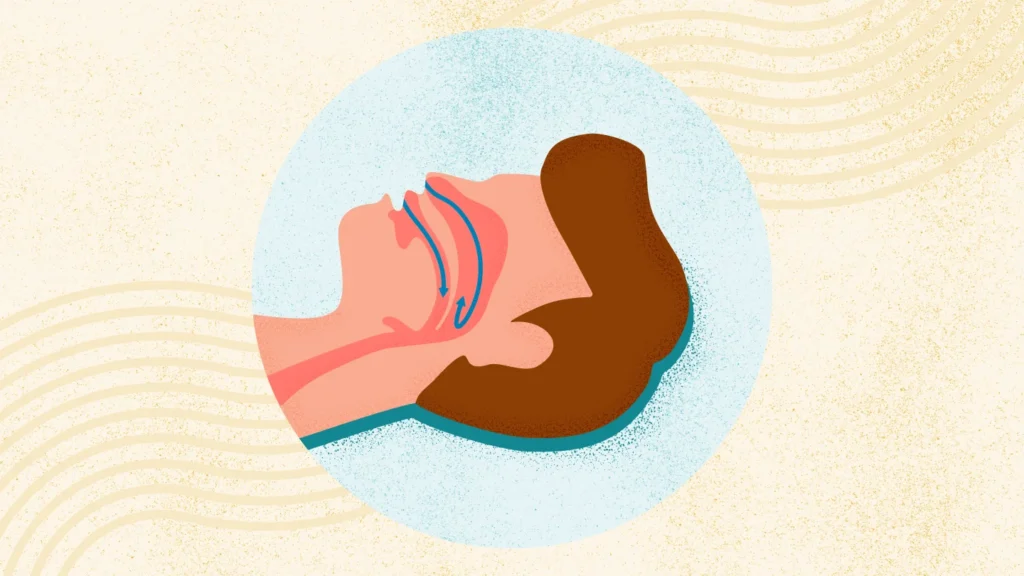
Q: Are anti-snoring mouthpieces actually worth trying, or are they another sleep gadget trend?
Q: When should snoring push you to get checked for something bigger?
You’ll get clear answers below. You’ll also get a simple, low-drama plan for trying an anti snoring mouthpiece safely, plus the common mistakes that make people quit too early.
Overview: why snoring is having a moment
Snoring has always been common. What’s different now is the attention around sleep health. People are talking about wearables, “connected care,” and new treatment milestones in sleep medicine. You’ll see headlines about advanced options for obstructive sleep apnea, along with tips that focus on lifestyle basics.
That cultural mix matters. When you’re travel-tired, burned out, or sharing a hotel room with a coworker at a conference, snoring stops being a private issue. It becomes a relationship joke, a productivity problem, and a “what can I do tonight?” question.
Also important: loud, frequent snoring can overlap with obstructive sleep apnea symptoms. If you suspect that’s in the picture, don’t self-manage forever. Use tools wisely and get evaluated when red flags show up.
For general context on larger sleep-apnea treatment conversations, see this Doctor reaches milestone treating more than 200 patients with sleep apnea implant.
Timing: when to try an anti-snoring mouthpiece (and when not to)
Timing is the difference between “this helped” and “I tossed it in a drawer.” Don’t wait for the perfect week. Pick a stretch when you can observe results and adjust your setup.
Good times to test
- After a run of rough sleep: If you’re waking up unrefreshed and your partner reports snoring, that’s a practical starting point.
- During travel recovery: Jet lag and unfamiliar beds can worsen snoring. Testing at home right after a trip helps you separate “travel fatigue” from “ongoing issue.”
- When you’re changing habits anyway: Cutting back on late alcohol, adjusting sleep position, or treating congestion pairs well with a mouthpiece trial.
Times to pause and get medical input first
- Witnessed breathing pauses, choking/gasping, or sudden awakenings
- Significant daytime sleepiness or drowsy driving risk
- Uncontrolled dental pain, significant jaw issues, or ongoing TMJ symptoms
Supplies: what you’ll want on night one
Keep this simple. You’re not building a “sleep lab” in your bedroom.
- Your mouthpiece: If you want a combined approach, consider an anti snoring mouthpiece.
- Basic tracking: Notes app, a snore-recording app, or partner feedback. Wearables can help, but don’t overinterpret a single metric.
- Comfort helpers: Water by the bed, nasal saline if you get dry, and a supportive pillow to reduce back-sleeping.
Step-by-step (ICI): Identify → Customize → Integrate
This is the “do it without overthinking it” workflow. You’ll test one change at a time so you know what’s working.
1) Identify your most likely snoring triggers
Use a quick checklist. Which ones sound like you?
- Snoring is worse on your back
- Snoring spikes after alcohol or late heavy meals
- Congestion or allergies block your nose
- Stress and burnout are keeping you in lighter sleep
Why it matters: a mouthpiece can help with airflow mechanics, but it won’t “outperform” nightly habits that inflame your airway.
2) Customize the fit (follow the product directions)
Fit is everything. A poor fit leads to drooling, jaw soreness, or you spitting it out at 3 a.m. Take the setup steps seriously and don’t rush them.
If your device is adjustable, make small changes. Big jumps can create discomfort and make you quit before you learn what works.
3) Integrate it into your sleep routine for 10–14 nights
Give it enough time to be fair. Your mouth, jaw, and sleep habits need a short adaptation window.
- Nights 1–3: Focus on tolerating it. Don’t judge results yet.
- Nights 4–7: Compare snoring volume, awakenings, and partner feedback.
- Nights 8–14: Decide if it’s a keeper, needs adjustment, or you need a clinician visit.
Relationship tip: agree on a simple signal. A gentle nudge beats a frustrated midnight argument. Snoring humor is fine, but sleep deprivation isn’t funny for long.
Mistakes that make mouthpieces “fail”
- Expecting instant perfection: The first night is rarely the best night.
- Changing five things at once: If you add mouthpiece + tape + new pillow + supplements, you won’t know what helped.
- Ignoring nasal breathing: If your nose is blocked, any solution feels harder. Address congestion in a basic, safe way.
- Forcing through pain: Discomfort is one thing. Pain is another. Stop and get advice if symptoms persist.
- Using a gadget to dodge a real evaluation: If you have apnea warning signs, don’t “track” your way out of care.
FAQ: quick answers people ask before they buy
Is an anti-snoring mouthpiece a cure?
No. It’s a tool. It may reduce snoring for some people, especially when snoring is related to airway positioning during sleep.
Will it help sleep quality even if I don’t notice waking up?
Possibly. Many people don’t remember micro-awakenings. If your partner reports less snoring and you feel more alert, that’s meaningful.
Do I still need sleep hygiene?
Yes. Think of the mouthpiece as a lever, not a lifestyle replacement. Consistent sleep timing, lower alcohol, and better positioning still matter.
CTA: a practical next step
If snoring is disrupting your sleep or your partner’s, start with a focused two-week trial and track results. Choose a setup you can actually stick with.
How do anti-snoring mouthpieces work?
Medical disclaimer: This article is for general education only and is not medical advice. Snoring can be a symptom of obstructive sleep apnea or other conditions. If you have breathing pauses, gasping, chest pain, severe daytime sleepiness, or concerns about jaw/dental health, talk with a qualified clinician.