
On a red-eye flight, an exhausted traveler dozes off. Ten minutes later, the seatmate’s elbow lands—friendly, but direct. “You were snoring.” By the time the plane lands, the group chat already has jokes, and the hotel room plan gets renegotiated.
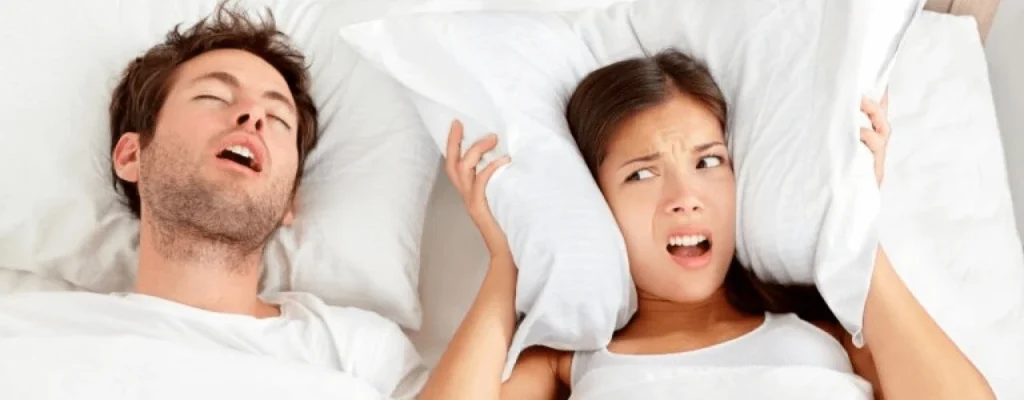
That mix of travel fatigue, relationship humor, and “I need a sleep fix now” energy is everywhere right now. Sleep gadgets are trending, workplace burnout is real, and people want something simple that doesn’t feel like a science project. If you’re here because snoring is wrecking your sleep quality (or your partner’s), let’s talk about the options—especially an anti snoring mouthpiece—with a safety-first lens.
What people are trying right now (and why)
Sleep advice cycles fast. One week it’s a new wind-down routine. The next week it’s a wearable, a tracker score, or a “hack” with a catchy countdown. The common thread: people want predictable sleep, not perfect sleep.
Snoring sits right in the middle of that trend. It’s loud, disruptive, and socially awkward. It also makes you wonder if something bigger is going on, which is why articles about Improve Your Sleep Routine With This 10-3-2-1-0 Hack Tonight keep popping up.
What matters medically (without the drama)
Snoring usually happens when airflow gets turbulent as tissues in the throat relax during sleep. That vibration is the sound. The “why now?” often comes down to a few common drivers:
- Sleep position: Back-sleeping can make the tongue and soft tissues fall backward.
- Nasal congestion: Allergies, colds, or chronic stuffiness can push you into mouth-breathing.
- Alcohol or sedatives: These can relax airway muscles more than usual.
- Weight changes: Even modest shifts can change airway dynamics for some people.
- Anatomy: Jaw shape, tongue size, and palate structure vary widely.
Important: snoring can also show up with obstructive sleep apnea (OSA). You can’t diagnose that at home just by listening to volume. The safest approach is to treat snoring as a symptom and screen for red flags.
Quick screen: when snoring is more than “annoying”
- Choking, gasping, or witnessed breathing pauses during sleep
- Morning headaches, dry mouth, or sore throat that doesn’t improve
- Daytime sleepiness, drowsy driving, or trouble focusing at work
- High blood pressure, irregular heart rhythm history, or metabolic concerns
- Snoring that’s new and severe, especially after a health change
If any of these fit, skip the guesswork and get evaluated.
What you can try at home (low-risk, high-signal)
Think of this as a short experiment. You’re trying to learn what type of snoring you have, and what responds.
Step 1: Run a 7-night “snore + sleep quality” log
Keep it simple. Each morning, note: bedtime, wake time, alcohol late evening (yes/no), congestion (none/mild/strong), sleep position, and how rested you feel. If you share a bed, ask your partner for a quick 1–10 snoring rating.
This is also smart for documentation. If you end up seeing a clinician, your notes help you tell a clear story.
Step 2: Tidy up the obvious triggers
- Side-sleeping: A body pillow can make this easier than “just try harder.”
- Alcohol timing: If you drink, try moving it earlier in the evening for a week.
- Nasal airflow: Address temporary congestion and keep your room air comfortable.
- Wind-down routine: Use a consistent cutoff for heavy meals, intense work, and doomscrolling.
None of these are flashy. They’re also the base layer that makes other tools work better.
Step 3: Consider an anti snoring mouthpiece (what it’s for)
An anti snoring mouthpiece is typically designed to support airflow by changing jaw or tongue position during sleep. It’s not a “sleep gadget” in the trendy sense. It’s more like a mechanical assist.
This option tends to make the most sense when your snoring is worse on your back, worse after alcohol, or paired with mouth-breathing. It may be less helpful if the main issue is nasal blockage that forces air turbulence upstream.
Safety and fit: reduce risk before you buy
- Dental health check: If you have loose teeth, gum disease, or significant dental pain, pause and ask a dentist first.
- TMJ caution: Jaw clicking or jaw pain can flare with oral devices in some people.
- Cleanability: Choose something you can clean daily. Replace it if it cracks, warps, or develops persistent odor.
- Start slow: Short trial periods can help you gauge comfort before committing to full nights.
If you want a combined approach that also supports mouth closure for some sleepers, you can look at an anti snoring mouthpiece. Keep expectations realistic and track outcomes in your log.
When it’s time to get professional help
Don’t wait months if the impact is big. Reach out if snoring is paired with daytime sleepiness, witnessed pauses in breathing, or frequent nighttime awakenings.
Also get help if you tried basic changes plus a device and things got worse, not better. Comfort matters. Jaw pain, tooth pain, gum irritation, or headaches are signals to stop and reassess.
FAQ: quick answers people want
Can a mouthpiece improve sleep quality even if I still snore a little?
Sometimes. A reduction in intensity and fewer awakenings can still translate to better sleep. Your 7-night log will tell you more than a single night.
What if my partner is the one snoring?
Make it a shared project, not a blame game. Agree on a two-week trial with one change at a time, and track what actually helps.
Are “sleep hacks” enough to stop snoring?
They can help, especially with consistency and timing. Still, snoring often needs a mechanical or positional fix when anatomy plays a big role.
Next step: get a clearer answer fast
Snoring isn’t just noise. It’s feedback. Use it to run a short, documented experiment and make a safer choice.
How do anti-snoring mouthpieces work?
Medical disclaimer: This article is for general education and is not medical advice. It does not diagnose, treat, or cure any condition. If you have symptoms of sleep apnea, significant daytime sleepiness, chest pain, fainting, or persistent jaw/dental pain, seek evaluation from a qualified clinician.