
Before you try anything for snoring tonight, run this quick checklist:
- Confirm the problem: Is it occasional snoring, or nightly and loud?
- Scan for red flags: breathing pauses, choking/gasping, morning headaches, high daytime sleepiness.
- Check the context: travel fatigue, alcohol, allergies, or a new medication can change your nights fast.
- Pick one lever: routine upgrade, sleep position, or an anti snoring mouthpiece. Don’t stack five hacks at once.
- Decide your “escalation point”: if symptoms persist, plan a medical check-in.
Why is everyone suddenly talking about snoring and sleep quality?
Sleep is having a moment. You see wearables, tracking rings, white-noise machines, and “perfect routine” threads everywhere. Add workplace burnout and nonstop travel, and people start treating bedtime like a performance review.
Snoring becomes the loudest signal that something is off. It’s also the most relationship-visible symptom. One person is asleep, the other is doing late-night math on the couch.
What does snoring actually do to sleep quality?
Snoring can fragment sleep. Even if you don’t remember waking up, micro-arousals can leave you less refreshed. Your bed partner may sleep worse too, which turns one person’s breathing noise into a shared fatigue problem.
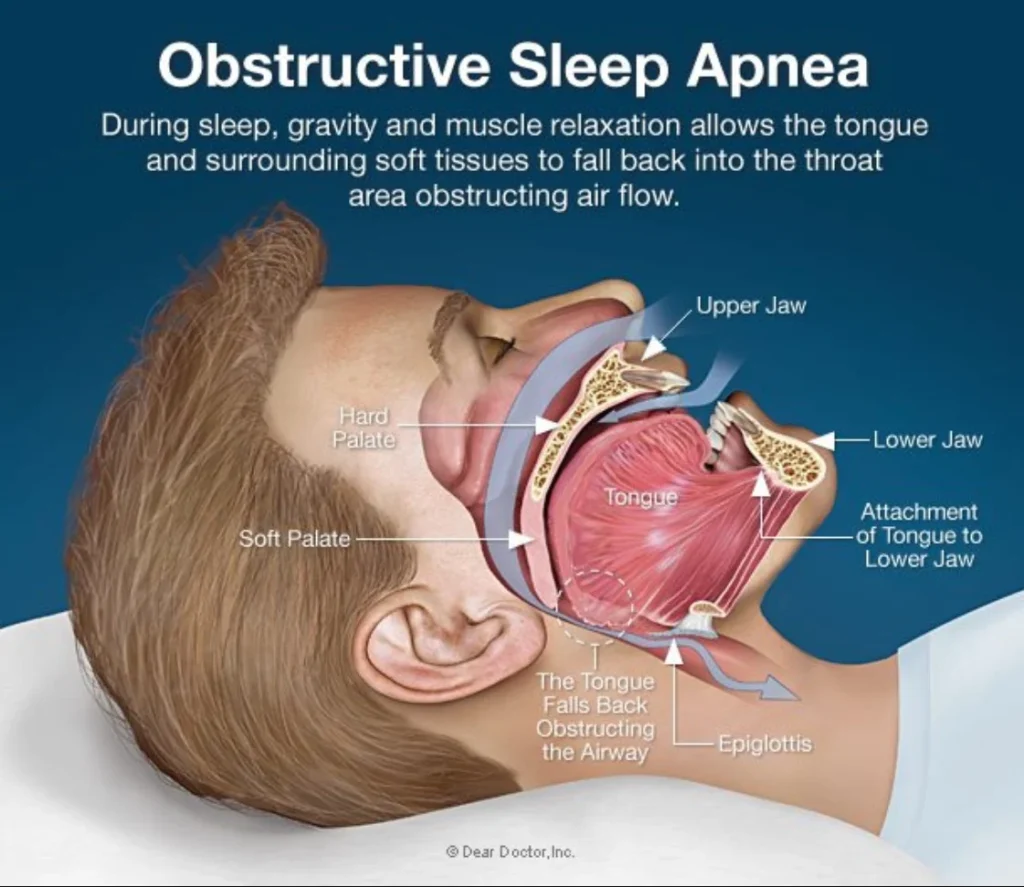
Sometimes snoring is just snoring. Other times, it can sit in the same neighborhood as obstructive sleep apnea symptoms. That’s why the conversation keeps surfacing in health news and wellness feeds.
When is snoring a “get checked” issue, not a “buy a gadget” issue?
Use a simple rule: snoring plus symptoms deserves attention. If you have loud snoring along with witnessed breathing pauses, gasping, or heavy daytime sleepiness, don’t treat it like a mere annoyance.
There’s also growing interest in medical options for sleep-disordered breathing, including implant-based approaches in some cases. If you want a high-level read on what’s being discussed, see this related coverage: Doctor reaches milestone treating more than 200 patients with sleep apnea implant.
Which fixes are people trying right now—and what’s the catch?
Routine “hacks” (the trending checklist approach)
Routine frameworks are popular because they’re simple and feel measurable. They can help if your snoring worsens with late caffeine, late meals, or inconsistent sleep timing. Keep it basic: pick a cutoff you can repeat, not a perfect plan you quit in three days.
Mouth taping (the viral experiment)
Mouth taping gets attention because it’s dramatic and cheap. It also isn’t a universal fit. If nasal breathing is compromised, taping can backfire. If sleep apnea is possible, you want evaluation, not forced workarounds.
Position changes and nasal support
For some people, back-sleeping makes snoring louder. Side-sleeping can help. Nasal congestion can also amplify snoring, so addressing stuffiness may reduce noise.
An anti snoring mouthpiece (the practical middle ground)
Many shoppers land here after they’ve tried pillows, sprays, and a dozen settings on a sleep app. A mouthpiece is a physical approach. It aims to improve airflow by changing jaw or tongue position during sleep.
It’s not a vibe-based solution, which is the point. Comfort and fit matter, and you should stop if you get jaw pain, tooth pain, or worsening symptoms.
How do I know if an anti snoring mouthpiece is worth trying?
Ask these questions:
- Is the main complaint snoring noise? Mouthpieces are often used when the goal is quieter breathing and fewer disruptions.
- Do you wake up unrefreshed? If yes, track whether changes correlate with better mornings, not just fewer complaints.
- Are there apnea red flags? If yes, prioritize medical evaluation. A device might still play a role, but you want guidance.
- Can you commit to a short trial? You’ll learn more from 10–14 consistent nights than from one “bad” night.
What should I look for when shopping for a mouthpiece?
Keep it simple and safety-first:
- Clear comfort expectations: mild adjustment is common; sharp pain is not.
- Fit approach: some are adjustable; others are molded. Follow the product instructions closely.
- Materials and care: you want something you can clean consistently.
- Realistic goal: improve airflow and reduce snoring, not “optimize” every sleep metric overnight.
If you’re comparing options, start here: anti snoring mouthpiece.
How do I talk about snoring without making it a fight?
Use teamwork language. Snoring is a shared sleep problem, not a character flaw. Try: “I want both of us to sleep better—can we test one change for two weeks?”
Make it light if that fits your relationship. Humor helps. Blame the “travel fatigue era” or the “burnout brain,” then move to an actual plan.
Common mistakes that waste time (and keep everyone tired)
- Changing five things at once: you won’t know what worked.
- Ignoring daytime symptoms: sleepiness and morning headaches are not just “adult life.”
- Chasing gadgets over consistency: the best tool is the one you actually use.
- Powering through pain: mouth and jaw discomfort is a stop-and-reassess signal.
FAQ
Can an anti snoring mouthpiece help with sleep quality?
It can, especially when snoring is driven by airway narrowing during sleep. Better airflow often means fewer awakenings and less bed-partner disruption.
Is snoring always a sign of sleep apnea?
No. Snoring is common and can be harmless, but loud frequent snoring plus daytime sleepiness or breathing pauses can signal sleep apnea and needs evaluation.
How fast do mouthpieces work?
Many people notice changes within the first few nights, but fit and comfort matter. Expect an adjustment period and stop if you have jaw pain.
Are trendy hacks like mouth taping safe for everyone?
Not for everyone. If you have nasal congestion, breathing issues, or possible sleep apnea, forcing mouth closure can be risky. Talk with a clinician if unsure.
What should I do if my partner says I stop breathing at night?
Treat that as a red flag. Book a medical evaluation for possible sleep apnea rather than relying only on gadgets or self-experiments.
Next step: try one change, measure it, then decide
If your goal is quieter nights and better mornings, a mouthpiece can be a practical first test—especially when you keep the rest of your routine stable.
How do anti-snoring mouthpieces work?
Medical disclaimer: This article is for general information only and isn’t medical advice. Snoring can be a sign of a sleep disorder. If you have breathing pauses, choking/gasping, significant daytime sleepiness, or other concerning symptoms, seek evaluation from a qualified clinician.