
Myth: Snoring is just “background noise.”
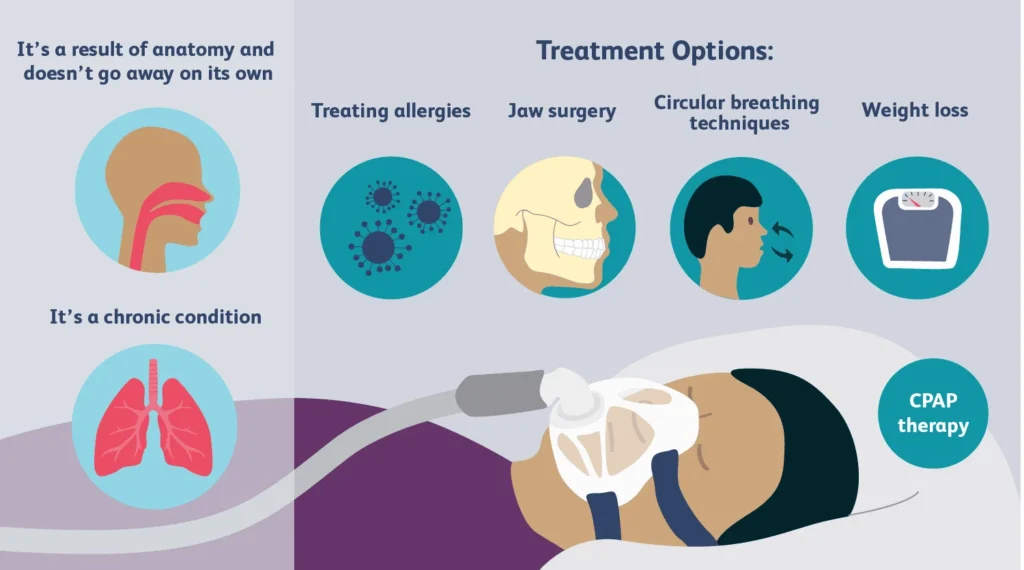
Reality: Snoring can signal disrupted sleep, fragmented breathing, and next-day brain fog. It can also turn bedtime into a running joke—until nobody’s laughing on a work call the next morning.
Right now, sleep culture is loud. People swap sleep gadgets, try viral routines, and pack “recovery tools” for travel fatigue. The better move is simpler: figure out why you snore, protect sleep quality, and choose an option that matches your situation.
Fast context: why everyone’s talking about sleep again
Sleep trends keep cycling, but the theme stays the same: small choices stack up. You’ll see countdown-style routines and “rules” for timing caffeine, screens, and bedtime wind-down. Those habits can help, yet they don’t always solve snoring.
Snoring is also getting more serious attention because poor sleep quality is linked with broader health concerns. If you want a general, evidence-minded overview, start with this high-level read on Improve Your Sleep Routine With This 10-3-2-1-0 Hack Tonight.
The decision guide: if…then… pick your next step
Use this like a quick sorting hat. It’s not a diagnosis. It’s a practical way to avoid wasting money on the wrong fix.
If your snoring is occasional (travel, late nights, burnout weeks)… then start with timing
If snoring shows up after red-eye flights, big dinners, or stressful deadlines, begin with the basics that reduce “sleep friction.” Pick two changes you can keep.
- If you drink caffeine late… then move it earlier and keep evenings calmer.
- If you scroll in bed… then set a screen cutoff and swap in a low-effort wind-down.
- If alcohol is part of your night… then avoid it close to bedtime, since it can worsen snoring for some people.
These are the kinds of steps that show up in popular sleep “countdown” routines. They’re useful, but they won’t fix every airway issue.
If you snore most nights and your partner is over it… then consider an anti snoring mouthpiece
Chronic snoring is where a targeted tool can make sense. An anti snoring mouthpiece aims to reduce airway collapse by changing tongue or jaw position during sleep. For many couples, it’s less about perfection and more about getting the room quiet enough that everyone sleeps.
If you want a combined approach… then look at a product that pairs jaw/tongue support with mouth-closure support. One option is this anti snoring mouthpiece.
If you wake up tired even after “enough” hours… then treat that as a signal
If you’re getting 7–9 hours but still feel drained, don’t assume it’s just hustle culture. Fragmented sleep can hide behind a full night in bed.
- If you wake up with headaches, dry mouth, or sore throat… then track it for a week and consider discussing it with a clinician.
- If someone notices pauses, choking, or gasping… then treat it as a red flag and seek medical guidance. Snoring can overlap with sleep apnea.
If nasal congestion drives your snoring… then don’t force a mouthpiece to do a nose job
When your nose is blocked, you tend to mouth-breathe. That can amplify snoring and dry-mouth wakeups.
- If congestion is temporary… then focus on gentle, non-medicated comfort measures and sleep position changes.
- If it’s constant… then consider an evaluation for allergies or structural issues.
If your jaw hurts or you grind your teeth… then prioritize fit and comfort
Mouthpieces shouldn’t feel like a punishment. If you already deal with jaw tension, you’ll want a careful approach.
- If you get jaw pain or tooth pain… then stop using the device and talk to a dentist or clinician.
- If you’re unsure what’s safe… then get professional guidance before committing to long-term use.
What “better sleep quality” looks like (beyond less noise)
Snoring is the sound. Sleep quality is the outcome. Use these markers to judge progress:
- Fewer nighttime wakeups (for you and your partner)
- Less morning grogginess and fewer “second coffee” emergencies
- More stable energy, especially during high-stress work stretches
- Less bedtime dread in shared sleeping spaces
If a mouthpiece reduces the noise but you still feel exhausted, don’t ignore that. Quiet doesn’t always equal restorative.
Quick-check: are you buying a solution or a sleep gadget?
Sleep tech is everywhere. Some tools help, some just look good on a nightstand.
- If you want data… then use it to spot patterns (bedtime drift, travel fatigue, alcohol nights), not to “win” sleep.
- If you want results… then pick one snoring intervention and give it a fair trial while keeping your routine steady.
FAQs (plain-English answers)
Do anti-snoring mouthpieces work for everyone?
No. They can help certain types of snoring, but they’re not a cure-all—especially when sleep apnea may be involved.
What’s the difference between a mouthpiece and a chin strap?
Mouthpieces typically adjust jaw/tongue position. Chin straps help keep the mouth closed, which may reduce mouth-breathing for some sleepers.
Can snoring be a sign of sleep apnea?
Yes. Loud snoring plus gasping, witnessed pauses, or significant daytime sleepiness are common reasons to seek medical advice.
How fast should I notice improvement with an anti snoring mouthpiece?
Some people notice changes quickly, but comfort and fit can take longer. Stop if you develop pain or feel worse.
What sleep habits pair well with a mouthpiece?
Consistent bed/wake times, earlier caffeine cutoffs, and less late-night alcohol often support better sleep quality.
CTA: make the next step simple
If snoring is a nightly problem and you want a focused tool (not another trendy gadget), consider starting with a well-matched mouthpiece option and tracking results for two weeks.
How do anti-snoring mouthpieces work?
Medical disclaimer
This article is for general education and does not provide medical advice. Snoring can be associated with sleep apnea and other health conditions. If you have choking/gasping, breathing pauses, chest pain, severe daytime sleepiness, or persistent symptoms, consult a qualified clinician for evaluation and personalized guidance.