
- Snoring is trending because everyone is tired—travel fatigue, burnout, and “sleep gadget” culture made sleep a daily project.
- Sleep quality beats sleep quantity. Eight hours with constant wake-ups can still feel like four.
- An anti snoring mouthpiece is a tool, not a miracle. Fit and technique decide whether it helps.
- Relationship reality: snoring jokes are funny until nobody sleeps. Then it’s a logistics problem.
- Safety matters. Persistent loud snoring can be tied to bigger health issues, so don’t ignore red flags.
Big picture: why snoring is suddenly everyone’s problem
Snoring used to be “a quirky habit.” Now it’s treated like a performance issue. People track sleep, buy wearables, try white-noise machines, and debate nasal strips like they’re tech specs.
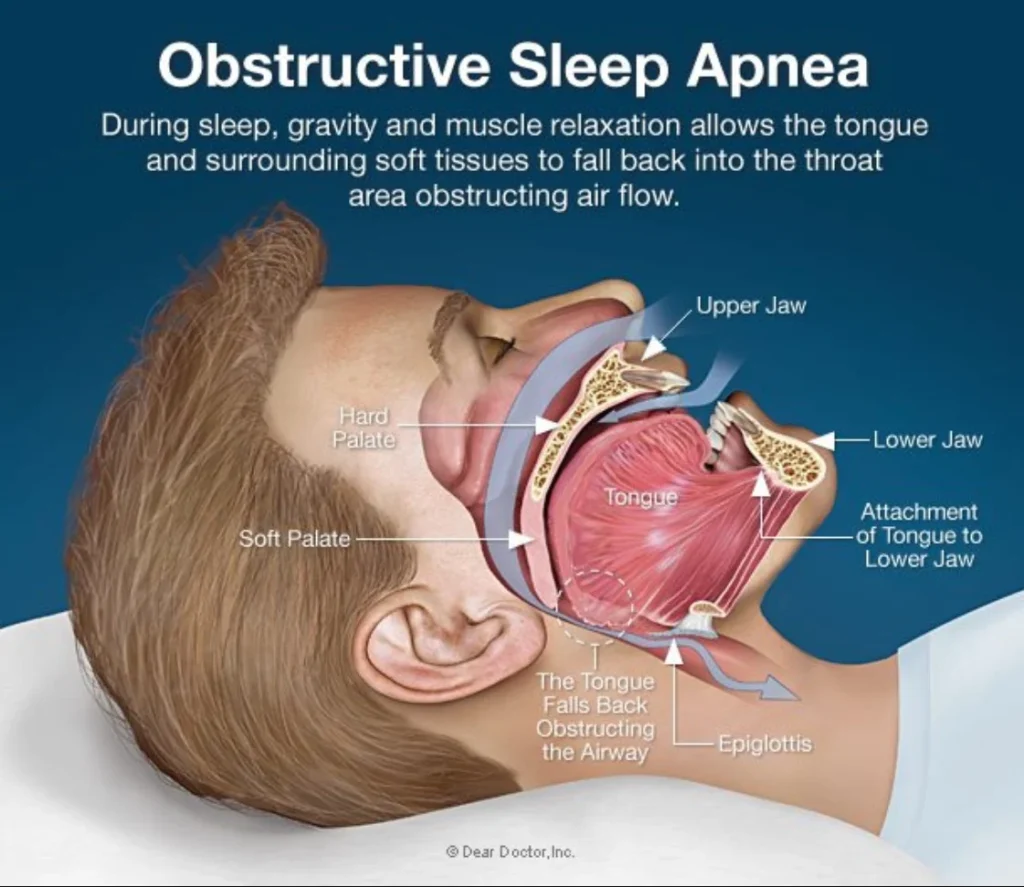
The bigger shift is this: more people connect snoring with sleep quality, not just noise. Recent health coverage has also pushed the idea that sleep-disordered breathing can affect more than mood and energy. That’s why snoring is no longer a punchline for many households.
If you want a quick refresher on 8 Ways To Improve Obstructive Sleep Apnea Symptoms Naturally, start there. Keep it simple: if you suspect apnea, don’t self-diagnose from a checklist.
Emotional considerations: the “second sleeper” problem
Snoring rarely affects only one person. It hits the partner who lies awake, the roommate who wears headphones, or the traveler who wakes up in a hotel panicking about bothering strangers through thin walls.
That’s why people chase quick fixes. It’s also why sleep conversations turn tense. Nobody wants to be told they’re the reason the house is exhausted.
Reframe it as a shared systems problem: the goal is quieter breathing and fewer awakenings, not “winning” an argument. Tools help when they’re tested calmly, like any other home experiment.
Practical steps: where a mouthpiece fits (and how to test it)
Most anti-snoring mouthpieces aim to improve airflow by changing jaw or tongue positioning. The common category is a mandibular advancement-style device that holds the lower jaw slightly forward. That can reduce tissue vibration in some people.
Use this fast decision filter before you buy anything:
- Best fit: frequent snoring on your back, worse after alcohol, better when you’re side-sleeping.
- May still help: mild-to-moderate snoring without major nasal blockage.
- Not a match without medical input: suspected sleep apnea, severe jaw/TMJ issues, loose teeth, or significant dental work that could be stressed.
ICI basics: “insertion, comfort, integrity”
Insertion: If it’s a moldable design, take your time. Rushed molding usually means hot spots, gagging, and a device that ends up in a drawer.
Comfort: Expect a learning curve, but don’t normalize sharp pain. Mild jaw fatigue can happen early. Persistent pain is a stop sign.
Integrity: The mouthpiece should feel stable. If it slips easily, you’ll clench to keep it in place, and that can backfire.
Positioning: small changes beat heroic changes
People often crank a mouthpiece “forward” and hope for instant silence. That approach can create jaw soreness and morning bite weirdness.
Instead, increase advancement gradually if your device allows it. Pair it with positioning habits that reduce snoring load:
- Side sleeping support (a pillow wedge or a simple “don’t roll” setup).
- Consistent sleep window, especially during travel weeks.
- Alcohol timing awareness, since it can relax airway muscles for some people.
Cleanup: keep it boring and consistent
A mouthpiece that tastes weird won’t get used. Rinse after wear, brush gently, and let it dry fully. Avoid harsh heat unless the product instructions explicitly allow it.
If you want to compare styles, materials, and fit approaches, see these anti snoring mouthpiece and match the design to your comfort and dental situation.
Safety and testing: don’t ignore the “not just a nuisance” signals
Snoring can be benign. It can also show up alongside sleep-disordered breathing. Recent mainstream health coverage keeps repeating the same theme: if breathing is disrupted at night, your body pays for it during the day.
Use a simple two-week test plan:
- Track outcomes: morning energy, headaches, dry mouth, partner-reported snoring, and nighttime awakenings.
- Watch for red flags: gasping, choking, witnessed pauses in breathing, high daytime sleepiness, or chest symptoms.
- Stop if needed: jaw locking, tooth pain, or bite changes that don’t fade quickly.
Medical disclaimer: This article is for general education and does not diagnose, treat, or replace medical or dental care. If you think you may have sleep apnea or have significant symptoms, talk with a qualified clinician for evaluation and safe options.
FAQ: quick answers people ask right now
Do anti-snoring mouthpieces stop snoring for everyone?
Not for everyone. They can be effective for certain snoring patterns, especially those tied to jaw position, but individual anatomy matters.
Is loud snoring always a sign of sleep apnea?
No, but it can be associated. Pay attention to breathing pauses, gasping, and major daytime sleepiness.
How long does it take to get used to a mouthpiece?
Often several nights to a couple of weeks. A gradual ramp-up helps.
Can a mouthpiece cause jaw pain or tooth movement?
Yes. If discomfort persists or your bite feels off, stop and get dental guidance.
CTA: make the next step simple
If snoring is stealing your sleep quality, start with a practical tool and a short test window. Keep the goal measurable: fewer wake-ups, quieter breathing, and better mornings.