
Snoring isn’t just background noise. It can turn a full night in bed into a low-quality “sleep-ish” experience. And yes, it can start relationship negotiations at 2 a.m.
If your snoring is trending upward, your sleep quality is trending down—so treat it like a real health and performance issue.
What people are trying lately (and why it’s everywhere)
Sleep has become a lifestyle project. You’ll see wearables scoring your nights, smart pillows promising quieter breathing, and travel-friendly gadgets marketed for jet lag and “hotel-room sleep.”
At the same time, workplace burnout and constant screen time push more people into light, fragmented sleep. That’s when snoring becomes louder, more frequent, and harder to ignore.
The social-media experiment: mouth taping
Mouth taping has been discussed as a way to encourage nasal breathing. It’s also controversial for a simple reason: restricting airflow can feel unsafe if your nose is blocked or if you already have breathing disruptions at night.
If you’re curious, treat it as a “proceed with caution” trend, not a default solution. There are safer, more established options to try first.
The practical trend: oral devices and simple sleep fixes
Mainstream guides have been nudging people toward basics: change sleep position, reduce alcohol near bedtime, address nasal stuffiness, and consider a mouthpiece if snoring seems tied to jaw or tongue position.
That last part matters because an anti snoring mouthpiece targets mechanics, not vibes.
What matters medically (without overcomplicating it)
Snoring happens when airflow becomes turbulent and tissues vibrate. That can be more likely when the jaw relaxes back, the tongue falls toward the airway, or nasal breathing is limited.
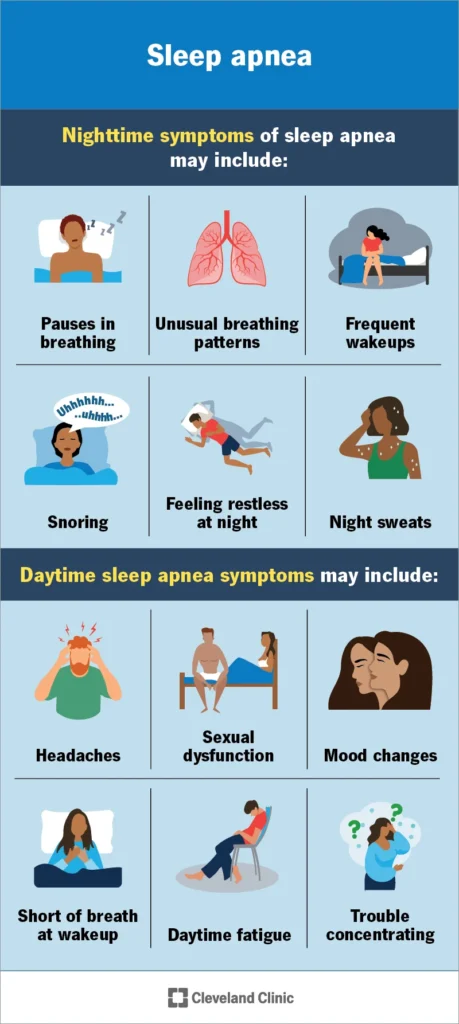
Snoring can be “simple snoring,” but it can also overlap with sleep-disordered breathing. One reason it’s in the headlines is that sleep apnea is widely discussed as a common condition with recognizable warning signs. If you want a reputable overview, read Sleep apnea – Symptoms and causes.
Red-flag pattern to take seriously
Don’t normalize these: loud snoring plus choking/gasping, witnessed breathing pauses, morning headaches, significant daytime sleepiness, or dozing off easily in quiet moments.
If that’s your situation, a mouthpiece may still play a role, but you should get assessed rather than guessing.
What to try at home (a direct, low-drama plan)
Start with changes that cost little and help fast. Then add tools that match the likely cause.
Step 1: Positioning that reduces airway collapse
Back sleeping often worsens snoring. Side sleeping helps many people because gravity is less likely to pull the tongue and soft tissues toward the airway.
Make it easier: use a supportive pillow, keep your neck neutral, and avoid stacking pillows so high that your chin tucks down.
Step 2: Decongest the “front door” (your nose)
Nasal congestion pushes mouth breathing, which can increase snoring for some sleepers. Keep your bedroom air comfortable, and address seasonal stuffiness in a way that’s appropriate for you.
If you can’t breathe through your nose at night, don’t rely on hacks that assume you can.
Step 3: Timing and triggers (the underrated wins)
Alcohol close to bedtime relaxes airway muscles. Heavy late meals can also make sleep feel more disrupted. If your snoring spikes after late nights, travel days, or “one more drink,” that pattern is useful data.
Also consider fatigue itself. Travel exhaustion and burnout can deepen relaxation and make snoring louder.
Step 4: Try an anti snoring mouthpiece (ICI basics)
If your snoring seems worse on your back, improves when your jaw is supported, or shows up even when your nose is clear, an oral device may be worth testing.
Look for a design that focuses on fit and comfort. Many options work by gently bringing the lower jaw forward to create more space behind the tongue.
Explore options here: anti snoring mouthpiece.
Comfort, positioning, and cleanup: make it actually usable
Comfort: Ease into it. Wear it for short periods before sleep for a few nights if needed. Mild drooling or awareness can happen early and often improves.
Positioning: If your device is adjustable, small changes beat big jumps. Too much advancement can cause jaw soreness.
Cleanup: Rinse after use and brush gently. Let it fully dry. Avoid very hot water unless the product instructions say it’s safe.
When to stop experimenting and get help
Get evaluated if snoring comes with choking/gasping, witnessed pauses, or severe daytime sleepiness. Also act if you have high blood pressure, wake with headaches, or your partner reports frequent breathing irregularities.
Seek advice if a mouthpiece causes persistent jaw pain, tooth pain, or bite changes. Comfort matters, but safety matters more.
FAQ (fast answers)
Can an anti snoring mouthpiece improve sleep quality?
It can if it reduces snoring and micro-awakenings for you or your partner. Results depend on the cause of snoring and consistent use.
Do mouthpieces help with travel fatigue snoring?
They can. Travel can increase snoring due to alcohol, dehydration, allergies, and exhaustion. A mouthpiece may help if jaw/tongue position is a contributor.
What if I snore only when I’m stressed?
Stress can worsen sleep depth and muscle relaxation. Pair stress management and sleep timing with positional changes and consider an oral device if snoring persists.
Next step: get a clearer answer fast
If you want a practical tool-based approach, start with positioning and nasal comfort, then test an oral device with a sane break-in plan.
How do anti-snoring mouthpieces work?
Medical disclaimer: This article is for general education only and is not medical advice. Snoring can be a symptom of sleep apnea or other conditions. If you have choking/gasping, breathing pauses, significant daytime sleepiness, chest pain, or other concerning symptoms, seek evaluation from a qualified clinician.