
Snoring is funny until it isn’t. One person laughs, the other person stares at the ceiling at 2:17 a.m. Then everyone drags through the next day.
Sleep gadgets are everywhere right now, from apps to wearables to “hacks” that promise instant results. Some help. Some just empty your wallet.
Thesis: If you want better sleep quality on a budget, start by sorting “simple snoring” from possible sleep apnea—then choose the least complicated fix that matches your situation.
Is snoring just annoying, or a sleep health red flag?
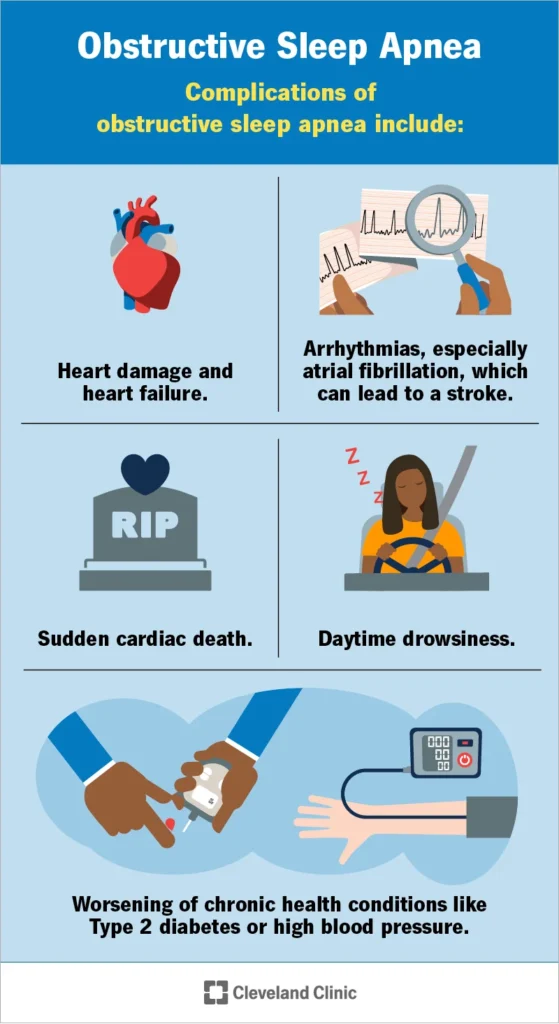
Snoring can be a basic airflow problem: dry air, nasal congestion, back-sleeping, alcohol, or weight changes. It can also be a sign of obstructive sleep apnea (OSA), where breathing repeatedly narrows or stops during sleep.
Recent health coverage has been connecting OSA treatment with long-term brain health conversations. The big takeaway is not to panic. It’s to take persistent symptoms seriously and get screened when the pattern fits.
Clues that point beyond “normal snoring”
- Someone notices pauses in your breathing, choking, or gasping
- You wake up unrefreshed despite enough time in bed
- Morning headaches, dry mouth, or sore throat happen often
- You feel sleepy while driving, in meetings, or mid-afternoon
- High blood pressure or heart risk factors are in the picture
If that sounds familiar, bring it up with a clinician and ask about evaluation options. If you want a general read on why this matters, see this related coverage: Preventing Alzheimer’s disease and dementia by treating obstructive sleep apnea.
Why is everyone talking about sleep quality right now?
Workplace burnout, always-on notifications, and travel fatigue have turned “good sleep” into a status symbol. People track sleep stages, compare scores, and buy gadgets hoping for a quick win.
But sleep quality often improves with boring basics first: consistent bedtime, less late alcohol, and a cooler, darker room. Snoring is one of the few issues where a targeted tool can also make a noticeable difference—especially when it’s disrupting a partner.
The relationship factor (yes, it matters)
Snoring jokes land on social media because they’re relatable. In real life, it can create separate bedrooms, resentment, and a nightly “who’s waking who” debate.
That’s why practical solutions get attention. Quiet is not just comfort. It’s fewer interruptions and better odds of hitting deeper sleep.
What should you try first if you want a no-drama fix?
Before you buy anything, do a quick pattern check for a week. Keep it simple: when you snore, how loud, what position you were in, and whether alcohol or congestion was involved.
Low-cost steps that often help
- Side-sleeping: Back-sleeping can worsen airway collapse for some people.
- Nasal support: Saline rinse or nasal strips may help if congestion is the driver.
- Alcohol timing: Cutting off drinks earlier can reduce throat relaxation at night.
- Bedroom setup: Cooler temperature and fewer wake-ups can improve perceived sleep quality.
If snoring stays loud and frequent, that’s when a mouthpiece becomes a practical next step—assuming you don’t have red-flag symptoms that should be evaluated first.
Do anti-snoring mouthpieces actually work for real people?
An anti snoring mouthpiece is designed to reduce snoring by improving airflow. Many products fall into two broad categories:
- Mandibular advancement devices (MADs): Gently move the lower jaw forward to help keep the airway more open.
- Tongue-retaining devices (TRDs): Help keep the tongue from falling back.
They’re popular because they’re portable, non-powered, and often cheaper than many “smart” sleep gadgets. They can also be travel-friendly when jet lag and hotel pillows make snoring worse.
Who tends to do well with a mouthpiece?
- People whose snoring is position-related (often worse on their back)
- Those who want a simple, packable option for trips
- Couples who need fewer nightly wake-ups fast
Who should be cautious?
- Anyone with jaw pain, TMJ issues, or significant dental problems
- People with suspected OSA symptoms who haven’t been screened
- Those who wake up choking or gasping (get evaluated)
What about trendy “sleep hacks” like mouth taping?
Some recent commentary has questioned whether mouth taping is helpful for sleep. The problem is that trends spread faster than safety guidance.
If you suspect nasal obstruction, focus on nasal breathing support and address the cause. If you suspect OSA, don’t rely on hacks. Get assessed. A mouthpiece is a different tool with a different mechanism, and it’s not a substitute for medical care when apnea is present.
How do you choose an anti-snoring mouthpiece without wasting money?
Think “fit, comfort, and consistency.” The best device is the one you can actually wear for a full night.
A quick buyer checklist
- Adjustability: Small changes can matter for comfort.
- Materials and feel: Rough edges and bulky designs reduce compliance.
- Cleaning and durability: If it’s annoying to maintain, you’ll stop using it.
- Return policy: Your mouth is unique; flexibility helps.
If you’re comparing options, start here: anti snoring mouthpiece.
Common questions to bring up if sleep apnea is on the table
Health coverage lately has emphasized asking better questions about OSA treatment. That’s smart, because the “right” plan depends on your symptoms, anatomy, and lifestyle.
- What signs suggest OSA versus primary snoring?
- Should I do an at-home sleep test or an in-lab study?
- What treatment options fit my severity and preferences?
- If I try a mouthpiece, what follow-up confirms it’s working?
FAQ
Can an anti snoring mouthpiece help if I only snore sometimes?
It can, especially if snoring shows up with back-sleeping, alcohol, congestion, or travel fatigue. If symptoms are frequent or severe, screen for sleep apnea first.
What’s the difference between snoring and obstructive sleep apnea (OSA)?
Snoring is noise from vibration in the airway. OSA involves repeated breathing interruptions during sleep and can come with choking/gasping, daytime sleepiness, or morning headaches.
Are anti-snoring mouthpieces the same as mouth taping?
No. Mouth taping aims to keep lips closed, while mouthpieces reposition the jaw or stabilize the tongue to help keep the airway more open. Safety and suitability vary by person.
How long does it take to get used to a mouthpiece?
Many people need several nights to a few weeks. Mild jaw or tooth soreness can happen early on; persistent pain is a reason to stop and reassess.
When should I talk to a doctor about snoring?
If you have loud nightly snoring, witnessed pauses in breathing, gasping, significant daytime sleepiness, high blood pressure, or you fall asleep unintentionally, ask about sleep apnea evaluation.
Next step: pick the simplest tool you’ll actually use
If your goal is better sleep quality without turning bedtime into a science project, keep it practical. Track the pattern, rule out red flags, and try a targeted solution.
How do anti-snoring mouthpieces work?
Medical disclaimer: This article is for general education only and is not medical advice. Snoring can be a symptom of obstructive sleep apnea or other conditions. If you have choking/gasping, witnessed breathing pauses, significant daytime sleepiness, or other concerning symptoms, seek evaluation from a qualified clinician.