
On the third night of a work trip, “Dan” woke up in a hotel room with a dry mouth, a sore throat, and a text from his partner: “You snored through my entire call. I’m filing a noise complaint.” He laughed, but the next day felt like walking through wet cement. That mix of relationship humor and real exhaustion is where a lot of people are right now.
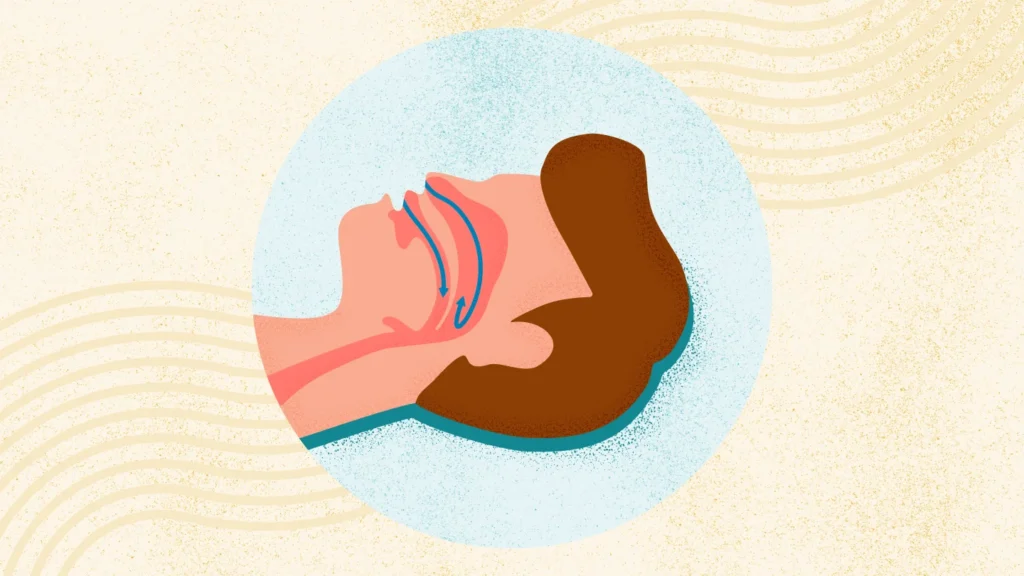
Snoring has become part of the wider sleep conversation. People swap tips like they swap travel chargers. Mouth tape, smart rings, nasal strips, white noise machines, and “sleep stacks” are all having a moment. The goal is simple: better sleep quality without wasting another month on gimmicks.
Big picture: why snoring is suddenly everyone’s topic
Snoring used to be framed as an annoyance. Now it’s often treated like a signal. Some headlines tie untreated obstructive sleep apnea (OSA) to long-term health concerns, including brain health. Others focus on the basics: symptoms, causes, and when to get checked.
Not all snoring is sleep apnea. Still, loud snoring plus daytime fatigue is worth taking seriously. If you’re experimenting with gadgets, keep one rule: don’t let “biohacking” replace a proper screen for OSA.
If you want a mainstream starting point that mirrors what many people are reading lately, see Preventing Alzheimer’s disease and dementia by treating obstructive sleep apnea.
What it feels like (and why it’s not “just noise”)
Snoring doesn’t only affect the snorer. Partners lose sleep, resentment builds, and “jokes” start landing like criticism. Add workplace burnout and constant screen time, and the household becomes a low-grade fatigue factory.
For the snorer, the emotional side can be sneaky. You may feel embarrassed, defensive, or resigned. That makes it easy to buy random sleep gadgets instead of testing one change at a time.
Practical steps that don’t waste a cycle
This is a budget-friendly sequence you can run at home. It’s designed to help you learn quickly, not chase perfect.
Step 1: Do a two-minute risk check before you “optimize”
- Has anyone noticed pauses in breathing, choking, or gasping?
- Do you wake up with headaches, dry mouth, or feel unrefreshed most days?
- Do you feel sleepy while driving or in meetings?
If yes to any, put “sleep apnea screening” on the list. You can still work on snoring comfort, but don’t treat it like a purely cosmetic problem.
Step 2: Run a 7-night baseline (cheap, fast, useful)
Pick one simple method and stick to it for a week:
- Use a snore recording app (or a voice memo) to capture pattern and volume.
- Rate morning energy from 1–10.
- If you share a bed, ask for a quick “noise score” each morning.
This baseline protects you from placebo shopping. It also helps you spot whether your issue is occasional snoring or a nightly pattern.
Step 3: Try the “low-cost levers” first
- Sleep position: Many people snore more on their back. Side-sleeping can help.
- Alcohol timing: If snoring spikes after drinks, move alcohol earlier or skip it on weeknights.
- Nasal comfort: Congestion and dryness can worsen snoring. Consider humidity and allergy management basics.
- Sleep schedule: Travel fatigue and late nights can deepen sleep stages and increase snoring for some people.
Step 4: Where an anti snoring mouthpiece fits
An anti snoring mouthpiece is often used to keep the airway more open by changing jaw or tongue position (depending on design). It’s popular because it’s at-home, relatively affordable compared with many medical devices, and easy to test with your 7-night tracking.
People usually consider a mouthpiece when:
- Snoring is frequent enough to disrupt sleep quality.
- Side-sleeping and basic changes didn’t move the needle.
- The goal is fewer wake-ups and less partner disruption, not a “perfect” wearable score.
If you’re comparing options, you may see combos designed to address both mouth position and jaw support. Example: anti snoring mouthpiece.
Safety and testing: what to watch while you try tools
Don’t ignore these red flags
- Worsening daytime sleepiness
- Witnessed breathing pauses
- Chest pain, severe morning headaches, or high blood pressure concerns
- Significant jaw pain, tooth pain, or bite changes with a mouthpiece
Those are reasons to pause DIY experiments and talk with a clinician. Ask directly about OSA evaluation and treatment options.
A simple “one change at a time” rule
Sleep trends can push you to stack interventions. Resist that. Test one variable for 7–10 nights. Keep your bedtime and caffeine timing stable. Then decide if it helped.
About mouth taping and other viral sleep hacks
Mouth taping gets attention because it sounds simple. The reality is more nuanced. If you have nasal blockage, allergies, or possible sleep apnea, restricting mouth breathing could be unsafe. Treat it like a conversation with a professional, not a dare.
FAQ: quick answers for real-life snoring problems
Can an anti snoring mouthpiece help everyone who snores?
No. It can help some people, especially with positional or airway-related snoring, but it won’t fix every cause. Loud, frequent snoring with daytime sleepiness should be evaluated for sleep apnea.
How do I know if my snoring might be sleep apnea?
Common red flags include choking or gasping at night, witnessed breathing pauses, waking with headaches, and strong daytime fatigue. If those show up, talk with a clinician and ask about sleep apnea testing.
Is mouth taping a safe alternative to a mouthpiece?
It’s a trending idea, but it isn’t a fit for everyone and can be risky if you have nasal obstruction, allergies, or possible sleep apnea. If you’re curious, discuss it with a clinician and prioritize proven options.
How long does it take to get used to an anti-snoring mouthpiece?
Many people need several nights to a couple of weeks. Start with short wear periods and track comfort, jaw soreness, and sleep quality.
What’s the quickest at-home way to tell if a change is working?
Use a simple 7-night test: record snoring with a phone app, note morning energy, and ask a partner for a 1–10 “noise score.” Compare before/after for the same sleep schedule.
CTA: make the next step easy
If you’re ready to stop guessing and start testing, focus on one intervention you can measure. Track it for a week, then keep what works.
How do anti-snoring mouthpieces work?
Medical disclaimer: This article is for general education and does not provide medical advice, diagnosis, or treatment. Snoring can be a sign of obstructive sleep apnea or other conditions. If you have red-flag symptoms (breathing pauses, choking/gasping, significant daytime sleepiness, or worsening health concerns), consult a qualified clinician.