
Before you try anything for snoring, run this quick checklist:
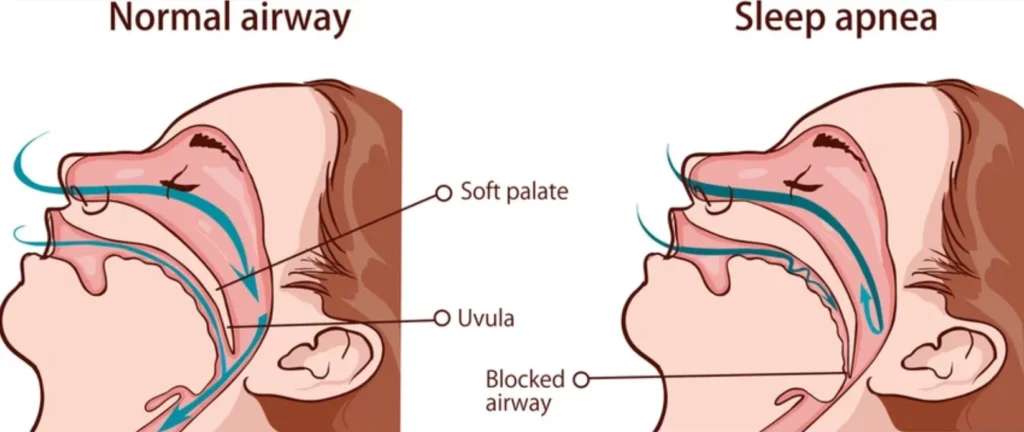
- Safety first: If you wake up gasping, have witnessed breathing pauses, or feel excessively sleepy during the day, don’t DIY it—get screened for sleep apnea.
- Skip risky “hacks”: Mouth taping is having a moment, but it’s also drawing warnings. If nasal breathing isn’t consistently easy, don’t tape your mouth shut.
- Know your pattern: Back-sleeping, alcohol, congestion, and travel fatigue can all spike snoring.
- Pick one change at a time: Otherwise you won’t know what worked.
Snoring is suddenly everywhere again: wearable sleep scores, “biohacker” bedtime routines, and the classic relationship joke where one partner “sounds like a leaf blower.” The problem is not the joke. It’s the sleep quality hit that can follow—lower energy, shorter tempers, and that foggy feeling that makes workplace burnout harder to shake.
Medical disclaimer: This article is for general education and does not diagnose, treat, or replace medical advice. If you suspect sleep apnea or another medical condition, consult a qualified clinician.
A quick reality check: snoring vs. a real sleep warning
Snoring can be “just snoring,” but it can also overlap with sleep-disordered breathing. Many mainstream health outlets keep returning to the same message: loud snoring plus daytime symptoms deserves attention, not just a gadget.
Red flags you shouldn’t ignore
- Choking, gasping, or breathing pauses noticed by a bed partner
- Morning headaches or dry mouth with unrefreshing sleep
- Excessive daytime sleepiness or dozing off easily
- High blood pressure or significant weight changes alongside worsening snoring
If those sound familiar, start with a professional evaluation. A mouthpiece may still play a role, but you’ll want the right plan.
The decision guide: If…then… your next best step
Use these branches like a choose-your-own-adventure for your night.
If your snoring is mostly “on your back,” then start with position + consider a mouthpiece
Back-sleeping often makes snoring louder. Gravity pulls soft tissues in a way that narrows airflow. You can try simple positioning tactics, but many people also look at an anti snoring mouthpiece because it targets airflow by changing jaw or tongue position (depending on the design).
What to track: not only decibel-level snoring, but also how you feel in the morning. Better sleep quality shows up as steadier energy and fewer wake-ups.
If you’re tempted by mouth taping, then pause and check your nasal breathing first
Mouth taping is trending in wellness circles, partly because it feels like an easy “one weird trick.” Yet recent coverage has highlighted clinician concerns about safety and suitability. If you want the gist of that caution, see Sleep apnea – Symptoms and causes.
If your nose is frequently blocked (allergies, dryness, travel congestion), taping can be a bad match. In that case, focus on improving nasal comfort and airflow first, and consider other snoring options that don’t rely on forcing your mouth closed.
If your partner says the snoring is “relationship-level loud,” then choose the fastest feedback loop
When snoring turns into separate bedrooms, people want results quickly. That’s why mouthpieces and other sleep gadgets keep popping up in conversations. The key is choosing an option that gives clear feedback in a few nights, not a complicated routine you’ll abandon after a week.
- Fast feedback: bed partner reports, a simple snore-tracking app trend line, and your morning alertness
- Slow feedback: vague “sleep score” changes without consistent habits
If travel fatigue makes your snoring worse, then plan for dry air, odd schedules, and alcohol
Airplane sleep, late dinners, and hotel-room dryness can stack the deck against you. Even people who “don’t usually snore” may start after a few nights on the road. Keep your approach simple: hydration, consistent sleep timing when possible, and a snoring tool that’s easy to pack and use.
If you wake with jaw soreness, then prioritize comfort and fit (or switch approaches)
Mouthpieces can help some snorers, but comfort matters. If you wake up with jaw pain, tooth discomfort, or headaches, don’t just power through. Adjustments, a different style, or a different strategy may be better.
Where an anti snoring mouthpiece fits (and where it doesn’t)
Think of a mouthpiece as one tool in a sleep-health toolkit. It may help when snoring relates to airway crowding that improves with jaw or tongue positioning. It’s less likely to shine when nasal obstruction is the main issue, or when a medical sleep disorder needs targeted care.
Good candidates to discuss or try
- Snoring that’s worse on your back
- Snoring that spikes with alcohol or late-night heavy meals
- People who want a non-pharmaceutical option and can tolerate an oral device
Situations to treat as “stop and get guidance”
- Possible sleep apnea symptoms (gasping, pauses, severe sleepiness)
- Significant TMJ issues or persistent jaw pain
- Ongoing nasal blockage that makes nose breathing difficult
A simple buying filter: what to look for in a mouthpiece
Headlines and reviews can make everything sound like a miracle. Use these practical filters instead:
- Comfort and adjustability: You need something you can actually sleep with.
- Clear instructions: Poor setup leads to poor results and unnecessary soreness.
- Return policy and support: Fit is personal. A safety net matters.
- Realistic expectations: Aim for better sleep quality, not perfection on night one.
FAQ: quick answers people are searching right now
Is snoring always a health problem?
No. It can be benign, but persistent loud snoring plus daytime symptoms can signal a bigger issue.
What should I do first if I want to stop snoring?
Start with pattern awareness: position, alcohol timing, congestion, and sleep schedule. Then pick one intervention to test.
Can gadgets replace medical care?
They can support habits, but they can’t rule out conditions like sleep apnea.
CTA: a practical next step you can try
If you want an option that targets snoring mechanics without complicated routines, consider a mouthpiece approach. One product option to review is an anti snoring mouthpiece. It’s a straightforward path many couples prefer when the goal is fewer wake-ups and quieter nights.
How do anti-snoring mouthpieces work?
Reminder: If you suspect sleep apnea or you’re feeling unsafe levels of daytime sleepiness, use a mouthpiece only as part of a clinician-guided plan.