
At 2:13 a.m., the hotel room felt smaller than it should. One person stared at the ceiling, the other snored like a tiny chainsaw. Tomorrow’s flight home was early, inbox was already scary, and the “just one more episode” decision was starting to look expensive.
That scene is everywhere right now. Sleep gadgets are trending, travel fatigue is real, and relationship jokes about snoring keep making the rounds for a reason. The bigger point: snoring isn’t only a punchline. It can be a sleep-quality problem for both people in the room.
Overview: why snoring is suddenly everyone’s problem
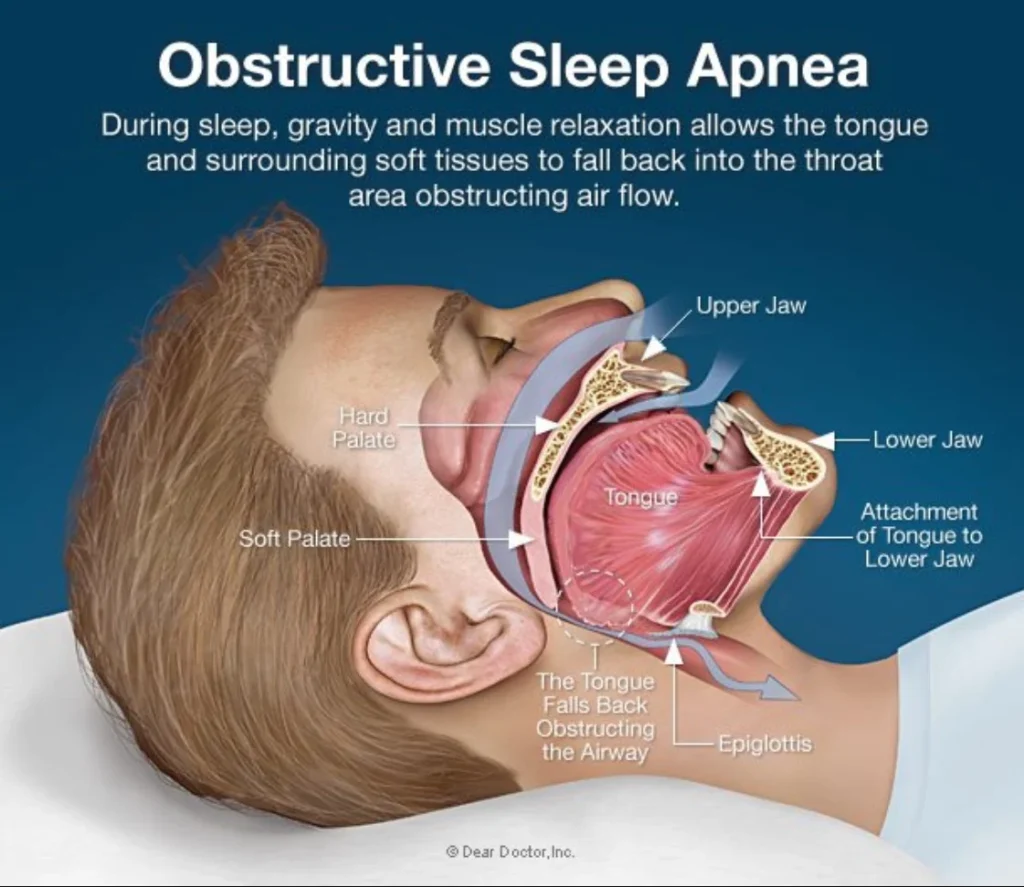
Snoring happens when airflow gets turbulent and soft tissues in the upper airway vibrate. It often shows up with congestion, certain sleep positions, alcohol close to bedtime, or weight changes. Stress and burnout can make the situation feel worse because lighter, more fragmented sleep makes noise more noticeable.
Some public conversations have also highlighted breathing struggles at night, like people discussing nasal issues and using nose strips. If nasal blockage is part of your story, that matters for what you try first.
Important: persistent loud snoring can also overlap with sleep apnea, a condition linked with repeated breathing disruptions during sleep. If you’re seeing red flags, don’t treat this as “just snoring.”
Timing: when to act (and when to screen first)
Try simple changes first when snoring is occasional
If snoring shows up mainly after late meals, a few drinks, a cold, or a brutal workweek, start with low-risk steps. Many people improve with position changes, nasal support, and better sleep timing.
Screen for sleep apnea when the pattern is loud and consistent
Consider medical screening if any of these are true:
- Someone notices pauses in breathing, choking, or gasping.
- You wake with headaches, dry mouth, or feel unrefreshed most days.
- You’re excessively sleepy, irritable, or foggy during the day.
- Snoring is loud, frequent, and worsening over time.
For a general, reputable overview of symptoms and causes, you can read about Divyanka Tripathi opens up about having a ‘deviated septum’, using nose strips before sleeping: ‘I struggle to breathe’ and related sleep-breathing discussions.
Supplies: what you might use (and why)
You don’t need a drawer full of gadgets. Pick based on the most likely driver of your snoring.
- Nasal supports: saline rinse, humidifier, or nasal strips if congestion or narrow nasal airflow seems to trigger snoring.
- Position tools: side-sleeping pillow or a simple “don’t roll onto your back” cue if snoring is worse supine.
- Sleep hygiene basics: consistent bedtime, cooler room, and a wind-down routine to reduce fragmented sleep.
- Anti-snoring mouthpiece: a device designed to change jaw or tongue position to keep the airway more open.
If you’re comparing options, start here: anti snoring mouthpiece.
Step-by-step (ICI): Identify → Choose → Implement
1) Identify your likely snoring pattern
Use two nights of quick notes (phone notes work). Track:
- Back vs side sleeping
- Alcohol within 3–4 hours of bed
- Congestion, allergies, or mouth breathing
- How you feel in the morning (headache, dry mouth, unrested)
This is also the “relationship peace” step. Agree on a plan instead of arguing at 3 a.m.
2) Choose the least risky tool that matches the pattern
If your nose feels blocked, start with nasal strategies first. If snoring is clearly positional, train side sleeping. If snoring seems tied to jaw position (often worse with mouth-open sleep), an anti snoring mouthpiece may be worth a trial.
Skip risky trends. For example, mouth taping is getting attention, but it isn’t a fit for everyone. Anyone with nasal obstruction, reflux risk, or suspected sleep apnea should be cautious and talk to a clinician.
3) Implement with a short, safe ramp-up
- Night 1–2: test comfort briefly before sleep so it doesn’t feel foreign.
- Night 3–7: wear for longer periods if there’s no jaw or tooth pain.
- Week 2: evaluate results with simple metrics: fewer wake-ups, partner reports less noise, and better morning energy.
Document what you changed. If you later talk to a dentist or sleep clinician, those notes reduce guesswork and help you make safer decisions.
Mistakes that waste money (or create new problems)
Ignoring red flags and “treating” sleep apnea at home
A mouthpiece can reduce snoring, but it’s not a substitute for proper evaluation if you have apnea symptoms. If breathing pauses are happening, get assessed.
Forcing a device through pain
Jaw soreness can happen early, but sharp pain, tooth pain, or bite changes are not “power through” issues. Stop and get professional input.
Stacking too many gadgets at once
A new pillow, nasal strip, mouth tape, and a mouthpiece on the same night makes it hard to know what worked. Change one variable at a time.
Chasing viral hacks instead of basics
Burnout culture pushes quick fixes. Consistent bedtime, less late alcohol, and side sleeping can beat expensive tech more often than people expect.
FAQ
Do anti-snoring mouthpieces work for everyone?
No. They often help when snoring is related to jaw position and mouth breathing, but they may not help if snoring is driven by nasal blockage, alcohol, or untreated sleep apnea.
Is snoring always a sign of sleep apnea?
Not always. But loud, frequent snoring plus choking/gasping, witnessed pauses, or heavy daytime sleepiness should prompt screening for sleep apnea.
Are mouth-taping and nose strips the same as a mouthpiece?
No. Nose strips aim to improve nasal airflow. Mouth taping aims to keep the mouth closed. A mouthpiece changes jaw or tongue position to reduce airway collapse.
How long does it take to get used to a mouthpiece?
Many people need several nights to a few weeks. Start with short wear periods and adjust fit as directed by the manufacturer.
When should I stop using a mouthpiece and get help?
Stop and seek medical or dental guidance if you have jaw pain, tooth pain, bite changes, headaches, or if you suspect sleep apnea symptoms like choking or pauses in breathing.
Next step: pick one change you can stick with
If snoring is hurting your sleep quality, don’t wait for the “perfect” solution. Choose one sensible lever, track results for two weeks, and escalate to screening if red flags show up.
How do anti-snoring mouthpieces work?
Medical disclaimer: This article is for general education and does not provide medical advice, diagnosis, or treatment. If you suspect sleep apnea, have breathing pauses, significant daytime sleepiness, chest pain, or persistent symptoms, consult a qualified clinician or a sleep specialist.