
- Snoring is a sleep-quality issue first—and a relationship issue second.
- Gadgets are trending, but the right fix depends on your symptoms and your anatomy.
- An anti snoring mouthpiece can help when jaw or tongue position narrows airflow.
- Some snoring is a red flag, especially when it overlaps with obstructive sleep apnea (OSA).
- The best plan is the one you’ll actually use, even after travel fatigue or a burnout week.
Snoring jokes land in group chats for a reason. It’s awkward, it’s loud, and it can turn bedtime into a nightly negotiation. Add today’s “optimize everything” culture—sleep trackers, smart rings, white-noise machines—and it’s easy to keep buying tools without getting better sleep.
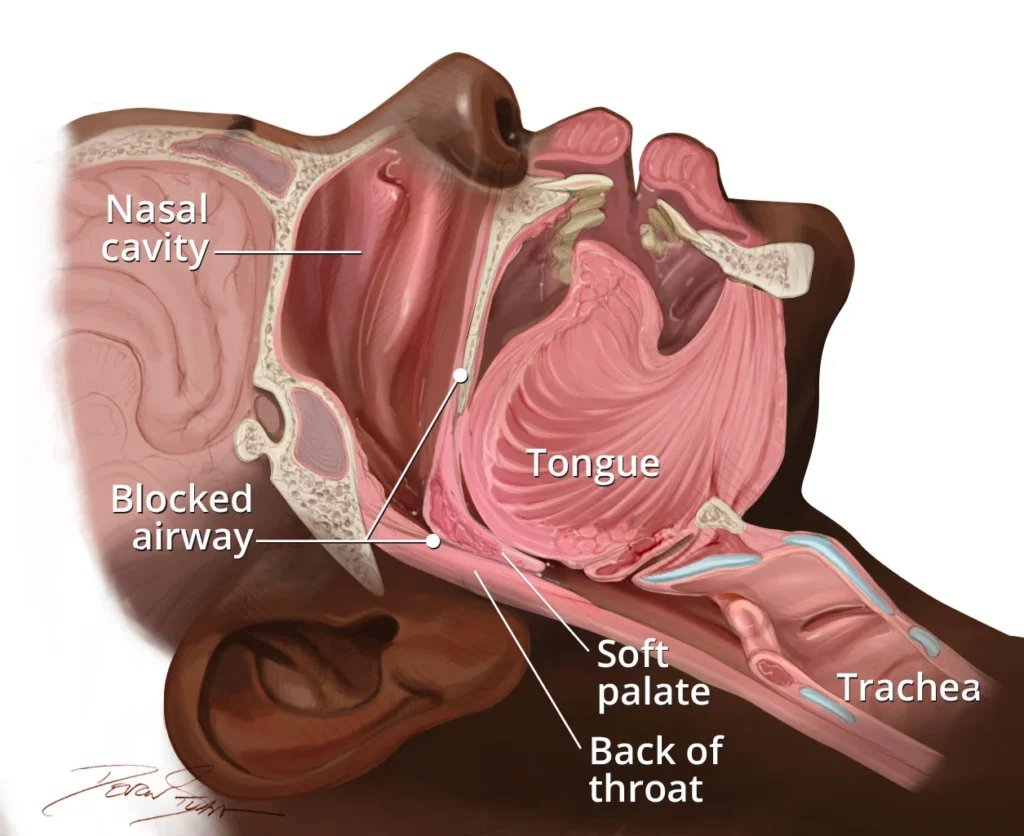
What people are talking about right now is bigger than noise. Recent health coverage has kept attention on obstructive sleep apnea and why it matters for long-term health. That doesn’t mean every snorer has OSA. It does mean you shouldn’t ignore patterns that look like more than a nuisance.
The snoring stress test: what’s really happening at night?
Think of snoring as a signal. Sometimes it’s a mild “vibration problem.” Other times it’s your airway struggling to stay open.
Clues it may be simple snoring
- Snoring is worse on your back or after alcohol.
- You wake up mostly okay, just annoyed (or your partner is).
- No one notices breathing pauses.
Clues you should discuss OSA screening
- Witnessed pauses in breathing, choking, or gasping.
- Morning headaches, dry mouth, or unrefreshing sleep most days.
- Daytime sleepiness that affects work, driving, or mood.
- High blood pressure or heart concerns alongside loud snoring.
These themes show up in mainstream medical guidance and recent reporting. If you want a quick read on the broader conversation, see Preventing Alzheimer’s disease and dementia by treating obstructive sleep apnea.
If…then… your decision guide (no fluff)
If your partner says, “It’s every night,” then start with patterns
Frequency matters more than one bad night. Travel fatigue, a cold, or a late drink can create a temporary snore storm. A nightly pattern suggests something more stable—sleep position, nasal congestion, jaw/tongue posture, or weight changes.
Try a one-week notes check: back vs. side sleeping, alcohol timing, congestion, and stress level. You’re not building a spreadsheet. You’re looking for obvious triggers you can remove.
If you wake up tired (even with 7–9 hours), then don’t blame willpower
Workplace burnout makes everything feel worse, including sleep. But persistent fatigue can also come from fragmented sleep. Snoring that repeatedly disrupts breathing can chip away at deep sleep without you realizing it.
If fatigue is heavy, or you’re nodding off during the day, move “talk to a clinician” higher on your list. You deserve clarity, not another gadget drawer.
If snoring seems position-related, then a mouthpiece may be worth a trial
Many anti-snoring mouthpieces aim to support a more open airway by influencing jaw or tongue position. For some people, that reduces vibration and noise. It can also mean fewer micro-awakenings, which helps sleep quality for both partners.
Comfort and consistency matter. If a device hurts, you won’t use it. If it’s easy to fit into your routine, it has a real shot at helping.
If mouth-breathing is part of your snoring, then consider a combo approach
Mouth breathing can come with dryness, sore throat, and louder snoring. Some people do better when they pair a mouthpiece with gentle support to keep the mouth closed.
If that sounds like your situation, look at an anti snoring mouthpiece. It’s a straightforward way to test two common contributors—jaw position and open-mouth sleep—without overcomplicating bedtime.
If you notice red flags, then skip self-experiments and get evaluated
Choking/gasping, witnessed pauses, significant daytime sleepiness, or cardiovascular concerns aren’t “power through it” problems. They’re reasons to ask about sleep apnea testing and treatment options.
Bring specific questions. Recent health coverage has emphasized asking your doctor about OSA treatment choices and what success looks like for your symptoms, not just a number on a report.
Talk about it without starting a fight (yes, really)
Snoring can feel personal. The snorer feels blamed. The partner feels ignored. A better script is: “I miss sleeping well with you,” not “You ruin my sleep.”
Pick a neutral time—morning coffee, not midnight frustration. Agree on one experiment at a time for two weeks. That keeps the process from turning into a nightly performance review.
FAQ: quick answers people want before they buy
Will a mouthpiece cure sleep apnea?
A mouthpiece may help some cases, but sleep apnea is a medical condition with multiple treatment paths. If you suspect OSA, get professional guidance.
How fast will I know if it’s working?
Many people judge early success by fewer complaints from a partner, fewer wake-ups, and better morning energy within 1–2 weeks.
What if I also use a sleep tracker?
Trackers can help you notice trends, but they can’t diagnose OSA. Use them to spot patterns, then confirm concerns with a clinician.
CTA: choose a simple next step
If snoring is straining your sleep and your relationship, start with a plan you can stick to. A well-chosen mouthpiece can be a practical first move when symptoms are mild and position-related.
How do anti-snoring mouthpieces work?
Medical disclaimer: This article is for general education and does not provide medical advice, diagnosis, or treatment. If you suspect obstructive sleep apnea or have severe daytime sleepiness, choking/gasping at night, or heart-related concerns, seek evaluation from a qualified healthcare professional.