
Snoring is having a moment again. Between sleep gadgets, viral “night routines,” and travel fatigue, people are hunting for a fix that doesn’t feel like a second job.
Meanwhile, the person next to you is negotiating for silence like it’s a workplace benefit.
Here’s the no-fluff truth: better sleep quality starts with safer choices, clear red flags, and a simple decision path—then you pick tools that match your situation.
Start here: a fast “if…then…” decision guide
If your snoring comes with red flags…then screen first
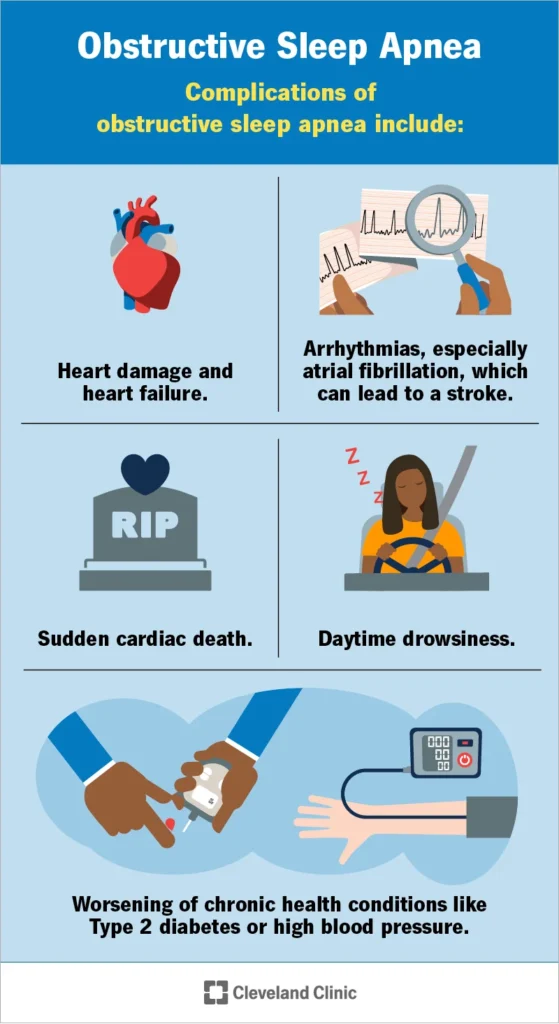
If snoring is loud and frequent and you have choking/gasping, witnessed breathing pauses, or heavy daytime sleepiness, treat it as a screening problem first. Snoring can be harmless, but it can also overlap with sleep apnea.
To ground your next step, skim Nine mental-health tips for a happier 2026 and document what you notice for a week. Write down bedtime, wake time, alcohol intake, congestion, and whether someone hears pauses.
Why this matters: it reduces risk. It also prevents wasting money on the wrong “fix.”
If snoring is new after travel, stress, or burnout…then stabilize your routine
If this started after flights, late nights, or a stretch of high stress, treat it like a recovery project. People are talking about structured wind-down “hacks” because they’re easy to remember and feel measurable.
Pick a simple pre-sleep rule set you’ll actually follow. Keep it boring. Consistency beats intensity when your nervous system is fried.
- Set a hard lights-out target.
- Cut late caffeine and heavy meals earlier than you think you need to.
- Reduce alcohol near bedtime if snoring spikes after drinking.
- Use a short, repeatable wind-down (shower, stretch, book, bed).
If your snoring drops when your routine tightens, you learned something important: your “snore trigger” is likely situational.
If you mainly snore on your back…then change position before you buy gear
If you snore mostly when supine, try side-sleeping tactics first. A pillow change, a positional aid, or rearranging your sleep setup can be enough for some people.
Track results for a few nights. If your partner reports a big difference, keep that win and move on.
If nasal stuffiness is the main issue…then don’t force mouth-closure trends
If your nose feels blocked at night, chasing mouth-closure trends can backfire. Mouth taping has been debated in the media, and clinicians have also warned that it isn’t a universal DIY solution.
Instead, focus on safer basics: reduce bedroom irritants, manage dryness, and address congestion triggers. If you can’t breathe well through your nose, prioritize that problem.
If your jaw drops open and you snore most nights…then an anti snoring mouthpiece may fit
If snoring is frequent, relationship-impacting, and seems tied to jaw position, an anti snoring mouthpiece is a common next tool. Many designs aim to keep the airway more open by supporting the jaw and tongue position.
This is also where you protect yourself legally and medically: choose reputable materials, follow cleaning instructions, and stop if pain shows up. Keep notes on fit, comfort, and morning symptoms.
How to choose a mouthpiece without creating new problems
Match the device to the pattern you actually have
Don’t shop based on hype alone. Shop based on your snoring pattern: back-sleeping, jaw drop, congestion, alcohol sensitivity, or inconsistent schedule.
If your partner says the sound is worse when your mouth falls open, a combo approach can be useful. Consider an option like an anti snoring mouthpiece if you’re trying to keep the mouth supported while you sleep.
Use a “safety checklist” before night one
- Can you breathe comfortably through your nose?
- Do you have jaw pain, TMJ history, loose teeth, or major dental work? If yes, be cautious and consider professional input.
- Are there sleep apnea red flags? If yes, screen first.
- Do you have a cleaning plan and a storage case?
These steps reduce infection risk and prevent avoidable damage. They also help you evaluate the device fairly instead of quitting from preventable irritation.
Run a 7-night “proof test” and document it
One night isn’t a verdict. Run a week-long test with the same bedtime window and similar conditions.
- Rate snoring volume (partner score 1–10).
- Rate morning mouth dryness and jaw comfort.
- Note awakenings and next-day energy.
If sleep quality improves without pain, you have a practical signal to keep going. If pain grows, stop and reassess fit or approach.
What people are talking about right now (and what to do with it)
Sleep has become a lifestyle category. That means you’ll see more trackers, more “routine hacks,” and more bold claims. Some of it helps, and some of it just creates anxiety about sleeping “perfectly.”
Use trends as prompts, not commandments. A gadget can reveal patterns, but it can’t replace basics like schedule, stress load, and screening for real medical issues.
Also, keep the relationship humor in perspective. Snoring is funny until it isn’t. If it’s causing resentment, treat it like a shared problem with a shared plan.
FAQs
Do anti-snoring mouthpieces work for everyone?
No. They tend to help when snoring is driven by relaxed tissues and jaw position, but they may not help if congestion, alcohol, or untreated sleep apnea is the main issue.
Is mouth taping a safe snoring fix?
It can be risky for some people, especially if you have nasal blockage, reflux, or possible sleep apnea. If you can’t breathe comfortably through your nose, don’t force it.
What’s the difference between snoring and sleep apnea?
Snoring is sound from vibration in the airway. Sleep apnea involves repeated breathing interruptions and can come with choking, gasping, or significant daytime sleepiness.
How long does it take to get used to a mouthpiece?
Many people adapt over several nights. Start with short wear periods before full nights, and stop if you develop jaw pain, tooth pain, or worsening symptoms.
What are signs I should talk to a clinician before trying a device?
Loud snoring with choking/gasping, witnessed breathing pauses, high blood pressure, morning headaches, severe daytime sleepiness, or if you’re pregnant or have heart/lung conditions.
How do I keep an anti-snoring mouthpiece hygienic?
Rinse after use, clean daily with a product-safe method, let it dry fully, and store it in a ventilated case. Replace it if it cracks, smells persistently, or no longer fits well.
CTA: Make your next night a controlled test, not a gamble
If your snoring pattern points to jaw position and open-mouth breathing, a mouthpiece may be the most direct tool to try. Keep it safe, keep it clean, and track results for a week.
How do anti-snoring mouthpieces work?
Medical disclaimer: This article is for general information and does not provide medical advice or diagnose any condition. If you have symptoms suggestive of sleep apnea or significant daytime sleepiness, talk with a qualified healthcare professional.