
Before you try another snoring “fix,” run this quick checklist:
- Is it just noise—or lost sleep? Track how you feel in the morning, not only what your partner hears.
- Any red flags? Choking, gasping, or extreme daytime sleepiness deserve medical attention.
- What’s your context right now? Travel fatigue, stress, alcohol, allergies, and burnout can all make snoring louder.
- Are you shopping for a gadget? Make sure it matches your actual problem (jaw position, nasal breathing, sleep posture).
- Can you talk about it? Snoring becomes a relationship issue fast. A calm plan beats blame.
What people are talking about right now (and why it matters)
Sleep tech is having a moment. Smart rings, sleep scores, and “connected care” tools make it feel like your bedroom is turning into a dashboard. That vibe has spilled into snoring solutions too. Recent coverage has highlighted newer oral appliances that aim to fit into broader sleep care, plus ongoing debate about trendy hacks like taping the mouth at night.
At the same time, the cultural backdrop is loud: workplace burnout, packed travel schedules, and the kind of relationship humor that shows up when one person is “the snorer” and the other is “the one who’s about to move to the couch.” If that’s your house, you’re not alone.
For a general reference point on the broader conversation, see this update-style coverage on an Sleep apnea – Symptoms and causes.
The part that actually affects your health (not just the vibe)
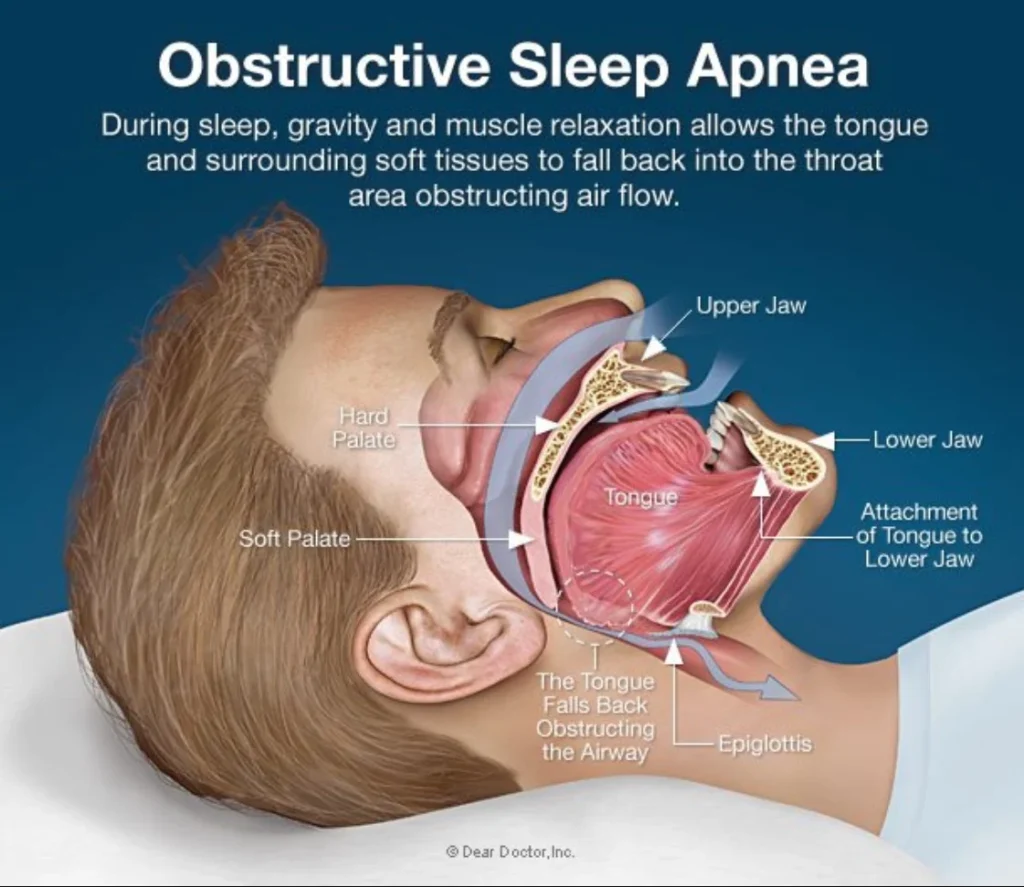
Snoring is common. It can be harmless. It can also be a signal that your airway is narrowing during sleep. That narrowing can chip away at sleep quality, even if you don’t fully wake up.
When sleep quality drops, everything feels harder. Patience gets thinner. Work feels heavier. Travel recovery takes longer. And couples often end up arguing about the symptom (noise) instead of the impact (two exhausted people).
Snoring vs. sleep apnea: the line you shouldn’t guess about
Snoring doesn’t automatically mean sleep apnea. Still, it’s smart to know the warning signs. Get evaluated if snoring comes with any of these:
- Gasping, choking, or witnessed pauses in breathing
- Morning headaches or dry mouth that feels extreme
- High blood pressure concerns
- Strong daytime sleepiness, dozing while driving, or “brain fog” that won’t quit
If you suspect sleep apnea, a clinician can guide you to the right next step (often a sleep study). That’s not overreacting. It’s protecting your long-term health.
How to try at home (without turning bedtime into a science project)
If your situation looks like uncomplicated snoring, you can run a simple home plan for 2–3 weeks. Keep it light. Keep it consistent. And keep communication open.
Step 1: Pick one change that improves breathing
Choose one lever, not five. Options include: sleeping on your side, reducing alcohol close to bedtime, addressing nasal stuffiness, or adjusting pillow height. Small changes can reduce vibration in the airway.
Step 2: Consider an anti snoring mouthpiece (and match it to the problem)
An anti snoring mouthpiece is usually designed to help keep the airway more open by changing jaw or tongue position during sleep. People often look at mouthpieces because they’re practical: no masks, no machines, and they travel well.
Shopping tip: focus on comfort, adjustability, and whether you can tolerate it for a full night. A mouthpiece that sits in a drawer doesn’t help your sleep quality.
If you’re comparing products, start here: anti snoring mouthpiece.
Step 3: Track outcomes that matter to both of you
Don’t only measure decibels. Use simple check-ins:
- Partner: fewer wake-ups? less resentment at 2 a.m.?
- Snorer: fewer groggy mornings? less dry mouth? better energy?
- Both: fewer “sleep debt” arguments?
Try a two-sentence nightly debrief: “How did you sleep?” and “What should we tweak tomorrow?” It keeps the topic from becoming personal.
Step 4: Be cautious with viral sleep hacks
Trends come fast: tapes, straps, and “biohacks” that promise instant results. Some may help some people. Others can be a bad idea if you have nasal blockage or possible sleep apnea. If breathing feels restricted, stop and get advice.
When to stop experimenting and get help
Home trials are fine for mild snoring. Move to professional guidance when the stakes rise. Book an evaluation if:
- Red-flag symptoms show up (gasping, pauses, severe sleepiness)
- Snoring is loud and persistent most nights
- You have jaw pain, tooth pain, or bite changes with a mouthpiece
- Your sleep quality is still poor after a consistent trial
Also consider the “life impact” test. If snoring is pushing you into separate bedrooms and it’s not a mutual choice, that’s worth addressing sooner.
FAQ: fast answers for real-life bedtime problems
Can an anti snoring mouthpiece help right away?
It can, especially if jaw position is part of the issue. Comfort and fit affect results, so give it a short, consistent trial.
Is snoring always a sign of sleep apnea?
No. But loud frequent snoring plus choking, gasping, or major daytime sleepiness should be evaluated.
What if my partner says it’s “not that bad,” but I feel exhausted?
Trust the daytime signal. Poor sleep quality is still a problem even if the snoring doesn’t sound dramatic.
Can I use a mouthpiece if I have dental work or jaw issues?
Maybe, but be careful. If you have TMJ pain, loose dental work, or significant discomfort, talk with a dentist or sleep clinician first.
Next step: get a clear, low-drama plan
If you’re ready to move from jokes and nudges to a real solution, start with the basics, then consider a mouthpiece that fits your needs and routine.
How do anti-snoring mouthpieces work?
Medical disclaimer: This article is for general education only and is not medical advice. Snoring can be a sign of a medical condition such as sleep apnea. If you have breathing pauses, gasping, chest pain, severe daytime sleepiness, or other concerning symptoms, seek evaluation from a qualified clinician.