
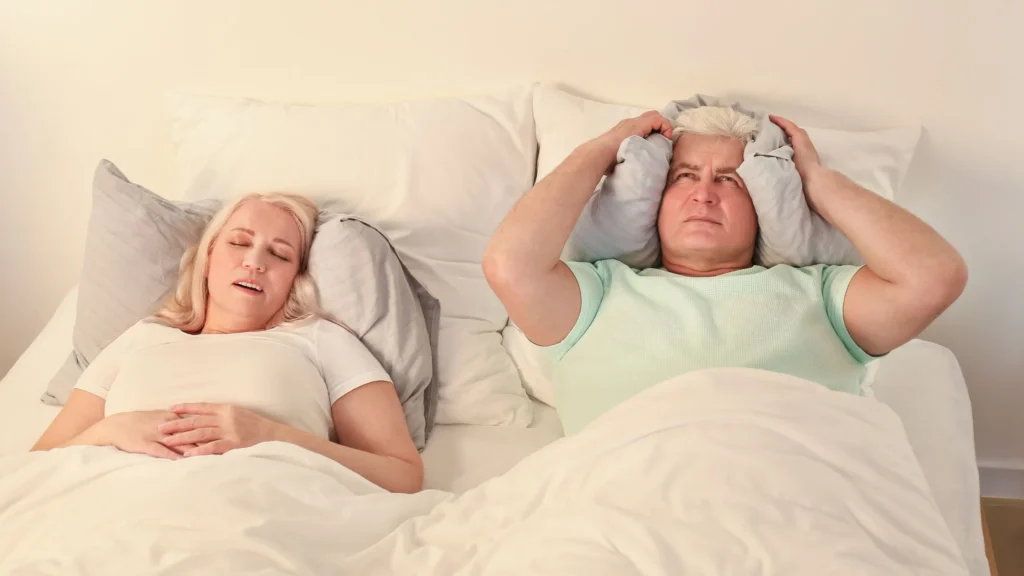
Q: Is your snoring “just annoying,” or a sign your sleep quality is taking a real hit?
Q: Are sleep gadgets and viral hacks (tape, rings, apps) helping—or just adding noise?
Q: If you try an anti snoring mouthpiece, how do you do it safely and smartly?
Those are the right questions. People are talking about sleep health everywhere right now—on flights, in group chats, and in relationships where “you snore” has become a running joke. Under the humor is a serious point: poor sleep stacks up fast, and snoring can be a clue worth respecting.
Why snoring is trending again (and why you should care)
Sleep has become a productivity tool, a wellness flex, and a coping strategy for burnout. Add travel fatigue, late-night scrolling, and packed schedules, and many people wake up feeling like they never powered down.
Recent health coverage has also kept obstructive sleep apnea (OSA) in the spotlight, including broader conversations about brain health and long-term risks. You don’t need to panic. You do need a plan that starts with screening, not guessing.
If you want a general reference point for what’s being discussed in the news cycle, see this Preventing Alzheimer’s disease and dementia by treating obstructive sleep apnea.
Start here: a no-drama screening checkpoint
Snoring can be simple vibration from a narrowed airway. It can also show up alongside OSA, where breathing repeatedly reduces or stops during sleep. You can’t confirm OSA from a vibe, an app score, or a partner’s impression.
Prioritize evaluation if any of these are true:
- Someone notices breathing pauses, choking, or gasping.
- You wake with headaches, dry mouth, or feel unrefreshed most days.
- You’re unusually sleepy during the day or drowsy while driving.
- You have high blood pressure or other cardiometabolic risk factors.
This is also the lowest-risk way to “document choices.” If you later try devices, you’ll know whether you’re managing simple snoring or dealing with something that needs medical treatment.
The decision guide: If…then… choose your next move
If snoring is loud + you have red flags… then don’t DIY
Skip the gadget roulette. Book a conversation with a clinician or sleep specialist and ask direct questions about testing and treatment options. Many people start with a home sleep test, depending on their situation.
Why this matters: treating the wrong problem wastes time, and untreated OSA can affect mood, focus, and overall health. Your goal is safer sleep, not just quieter sleep.
If snoring is the main issue (no red flags)… then consider a mouthpiece first
An anti snoring mouthpiece is popular for a reason: it’s a simple, non-drug option that can help reduce snoring for some people. Many designs work by supporting jaw position or keeping the airway more open.
Keep it practical. Choose one approach, test it, and track results. Don’t stack three new gadgets in one week and hope for clarity.
If you’re comparing models, start with a curated overview of anti snoring mouthpiece.
If you’re tempted by mouth taping… then pause and check your nose first
Mouth taping is having a moment. The idea is simple: keep lips closed to encourage nasal breathing. But “simple” doesn’t mean “safe for everyone.” If your nasal breathing is limited from congestion, allergies, or anatomy, taping can backfire.
If you’re experimenting, treat it like a safety decision, not a trend. If you can’t breathe comfortably through your nose while awake, don’t force it at night.
If travel fatigue is driving the snoring… then fix the setup, not just the sound
Hotel air, alcohol with late dinners, and weird pillows can turn a quiet sleeper into a chainsaw. On the road, focus on basics that reduce airway irritation: hydration, consistent sleep timing, and a pillow height that doesn’t kink your neck.
Then test your mouthpiece on a normal week at home before you rely on it for a trip. That reduces “surprise discomfort” at 2 a.m. in a different time zone.
If relationship sleep is the issue… then agree on a measurement
Snoring jokes are funny until nobody sleeps. Make it measurable: pick two or three signals you both care about, like “fewer wake-ups,” “less morning resentment,” and “more energy by lunch.”
Also set boundaries. If a device causes jaw pain or tooth soreness, you stop and reassess. Quiet isn’t worth damage.
How to trial a mouthpiece without creating new problems
Most people fail with mouthpieces for boring reasons: poor fit, inconsistent use, or ignoring side effects. Run a short trial like you would a work experiment.
- Set a baseline: 3 nights of notes on snoring intensity (partner report) and morning energy.
- Use one change at a time: mouthpiece only, not mouthpiece + tape + new supplement.
- Track comfort: jaw soreness, gum irritation, bite changes, or tooth pressure.
- Clean it consistently: follow the product instructions to reduce hygiene and infection risks.
If you notice worsening sleepiness, new headaches, or breathing pauses, stop the experiment and get evaluated.
Safety and documentation: the low-risk way to be confident
If you’re making choices for yourself or a household, keep it simple and defensible:
- Write down symptoms (snoring frequency, daytime sleepiness, witnessed pauses).
- Record what you tried (device type, dates, comfort issues).
- Note stop reasons (pain, poor fit, no benefit, new symptoms).
This isn’t paperwork for its own sake. It helps you avoid repeating the same failed approach and supports better conversations with a clinician if you need one.
FAQs (quick answers)
Is snoring always sleep apnea?
No. But snoring plus daytime sleepiness or breathing pauses should be screened.
Can an anti snoring mouthpiece help with sleep apnea?
Some mouthpieces may help certain people, but suspected OSA needs proper evaluation and guidance.
What’s the difference between a mouthpiece and mouth taping?
Mouthpieces adjust jaw/tongue position. Taping keeps lips closed and may be risky if nasal breathing is limited.
How do I choose a safe mouthpiece?
Prioritize comfort, clear cleaning steps, and stop if you get jaw pain, tooth movement, or gum irritation.
When should I talk to a clinician?
Breathing pauses, choking/gasping, high sleepiness, or safety-sensitive jobs (like driving) are strong reasons.
CTA: Get the simple explanation before you buy
If you want a straightforward overview before you commit, start here:
How do anti-snoring mouthpieces work?
Medical disclaimer: This article is for general education and does not diagnose, treat, or replace medical advice. If you suspect obstructive sleep apnea or have significant daytime sleepiness, seek evaluation from a qualified clinician.