
Five rapid-fire takeaways (save your time and your sleep):
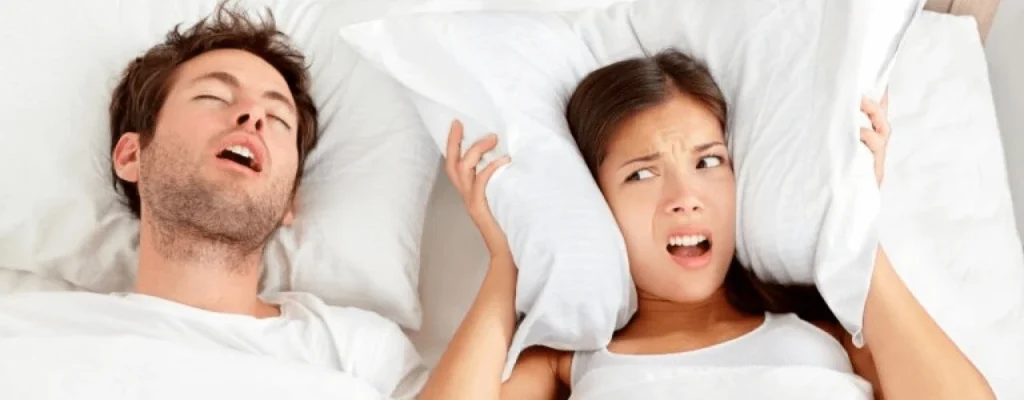
- Snoring is a sleep-quality problem—for the snorer and the person listening.
- Trendy sleep gadgets help some people, but basics like schedule and wind-down often move the needle faster.
- An anti snoring mouthpiece may help when jaw position contributes to airway narrowing.
- Travel fatigue and burnout make snoring worse by disrupting routine, sleep drive, and recovery.
- Don’t ignore red flags like gasping, choking, or heavy daytime sleepiness—those deserve a medical conversation.
Snoring is having a moment in the culture. People are swapping sleep trackers, debating “sleep optimization,” and joking about the nightly snore negotiations that happen in real relationships. Under the humor is a real issue: fragmented sleep adds up, especially when work stress and travel schedules keep pushing bedtime around.
This guide keeps it practical. You’ll get a home-first plan, a clear look at mouthpieces, and a short list of reasons to talk with a clinician.
Why does snoring feel worse lately?
Many people are trying to “reset” sleep with new-year routines, mental-health check-ins, and less doom-scrolling at night. That’s not random. Sleep quality often drops when your schedule shifts, your brain stays in problem-solving mode, or your body is running on stress.
Snoring can also spike after late meals, alcohol, congestion, or back-sleeping. Add travel fatigue—dry hotel air, different pillows, odd time zones—and you have a perfect storm for louder nights.
Sleep trends that help (without buying another gadget)
Recent sleep advice has focused on a few repeat themes: building sleep drive, protecting circadian rhythm, tightening sleep hygiene, calming overthinking, and choosing better pre-bed activities. You don’t need to do all of it. Pick one lever and run it for two weeks.
- Sleep drive: Keep a steady wake time, even after a rough night.
- Circadian rhythm: Get bright light earlier in the day and dim light at night.
- Sleep hygiene: Cool, dark room; caffeine earlier; fewer late heavy meals.
- Overthinking: Park worries on paper before bed, not in your head at 1 a.m.
- Pre-bed activity: Swap “one more episode” for a short wind-down routine.
Is snoring just annoying, or is it a sleep health issue?
Snoring is common, but it can still be a health signal. Sometimes it’s simply vibration from relaxed tissues. Other times, it can be linked to obstructive sleep apnea (OSA), where breathing repeatedly narrows or pauses during sleep.
If you want a plain-language overview of warning signs, see Here are five behavioral and psychological tips for a fresh start toward better sleep in the new year, spanning five categories — sleep drive, circadian rhythm, sleep hygiene, overthinking and pre-bed activity. https://wapo.st/3MQgP1D.
Red flags that shouldn’t be brushed off
- Choking, gasping, or witnessed pauses in breathing
- Morning headaches or dry mouth that’s frequent
- Daytime sleepiness that affects driving, focus, or mood
- High blood pressure or heart risk factors (ask your clinician how sleep fits in)
Snoring can be “just snoring,” but you don’t win points for toughing it out. If the pattern is persistent, get screened.
What can I try at home first (without wasting a cycle)?
Think of snoring like a leaky faucet. You can tighten a few obvious parts before you replace the whole sink. Start with the changes that cost little and are easy to test.
Quick home checklist
- Side-sleeping: Back-sleeping often worsens snoring for many people.
- Nasal support: Address congestion and dryness (especially during travel).
- Alcohol timing: If you drink, avoid it close to bedtime when possible.
- Bedroom setup: Cooler room, fewer light cues, and less late-night screen time.
- Wind-down: A short routine can reduce “wired but tired” nights.
Run your test like a budget experiment. Change one variable at a time for a week. That way you’ll know what actually helped.
What is an anti snoring mouthpiece, and who is it for?
An anti snoring mouthpiece is worn during sleep to help keep the airway more open. Many designs work by positioning the lower jaw forward. That can reduce tissue collapse and vibration for some snorers.
This option appeals to people who want a practical at-home step before investing in more gear. It’s also popular with couples because it targets the sound at the source, not just the listener’s earplugs.
What it can be good for
- Habitual snoring that seems worse on your back
- Snoring that spikes with fatigue, travel, or congestion (after you address basics)
- People who want a portable tool for trips
What to watch for
- Jaw soreness that doesn’t improve
- Tooth discomfort or gum irritation
- Changes in bite or persistent morning pain
If any of those show up, stop and get dental or medical guidance. Comfort matters because consistency is what makes any sleep tool work.
How do I choose a mouthpiece without overpaying?
Skip the hype and look for fit, comfort, and a plan you’ll actually follow. A mouthpiece that sits in a drawer is the most expensive one.
A practical shopping filter
- Fit approach: Clear fitting instructions and realistic expectations.
- Comfort features: Smooth edges, stable feel, and easy cleaning.
- Use case: Home use, travel use, or both.
- Return/guarantee: Policies that reduce risk if it’s not a match.
If you want a bundled option, consider an anti snoring mouthpiece. Combos can be appealing when mouth-breathing or jaw drop seems to be part of the noise pattern.
When should I talk to a doctor instead of DIY?
Use DIY for simple snoring and sleep-habit cleanup. Loop in a clinician when symptoms suggest OSA or when daytime function is taking a hit. Many people also benefit from bringing a short list of questions to appointments, especially about testing, treatment options, and what success looks like.
Sleep health is also getting attention because of its links to long-term brain and heart health in general discussions. You don’t need to panic. You do need a plan if symptoms persist.
FAQ: quick answers people ask at 2 a.m.
Do mouthpieces cure snoring?
They can reduce snoring for some people, but they’re not a universal cure. Your anatomy, sleep position, and nasal airflow all matter.
Will a mouthpiece help if I’m exhausted from work stress?
It may help the snoring piece, but stress can still fragment sleep. Pair any device with a simple wind-down routine.
Is it normal to feel drooly at first?
Extra saliva can happen early on. It often improves as you adapt, but persistent discomfort is a reason to reassess.
Can I use one while traveling?
Many people do because it’s portable. Keep it clean and store it properly, especially on long trips.
What if my partner says the snoring is “different” now?
Changes in pattern can be meaningful. Track what changed (alcohol, congestion, sleep position, new meds) and consider medical screening if it’s worsening.
Ready for a calmer night (for both sides of the bed)?
Start with one low-cost habit change this week. If snoring still wins, a mouthpiece can be a practical next step—especially when you want something simple and travel-friendly.
How do anti-snoring mouthpieces work?
Medical disclaimer: This article is for general education only and is not medical advice. Snoring can be a symptom of obstructive sleep apnea or other conditions. If you have choking/gasping, witnessed breathing pauses, significant daytime sleepiness, or other concerns, seek evaluation from a qualified clinician.