
On a red-eye flight, an anonymous traveler dozes off for ten minutes. Their seatmate nudges them, half-joking, half-exhausted. By the time the plane lands, the traveler feels like they never slept, and their phone is already pushing a new sleep gadget trend.
That little moment is why snoring is having a bigger cultural moment. People want better sleep quality, less relationship friction, and fewer “I’m fine” workdays that feel like burnout in disguise. An anti snoring mouthpiece is one of the most practical, budget-aware tools people try at home—especially when they’re not ready for a full medical workup yet.
Overview: Why snoring is getting more serious attention
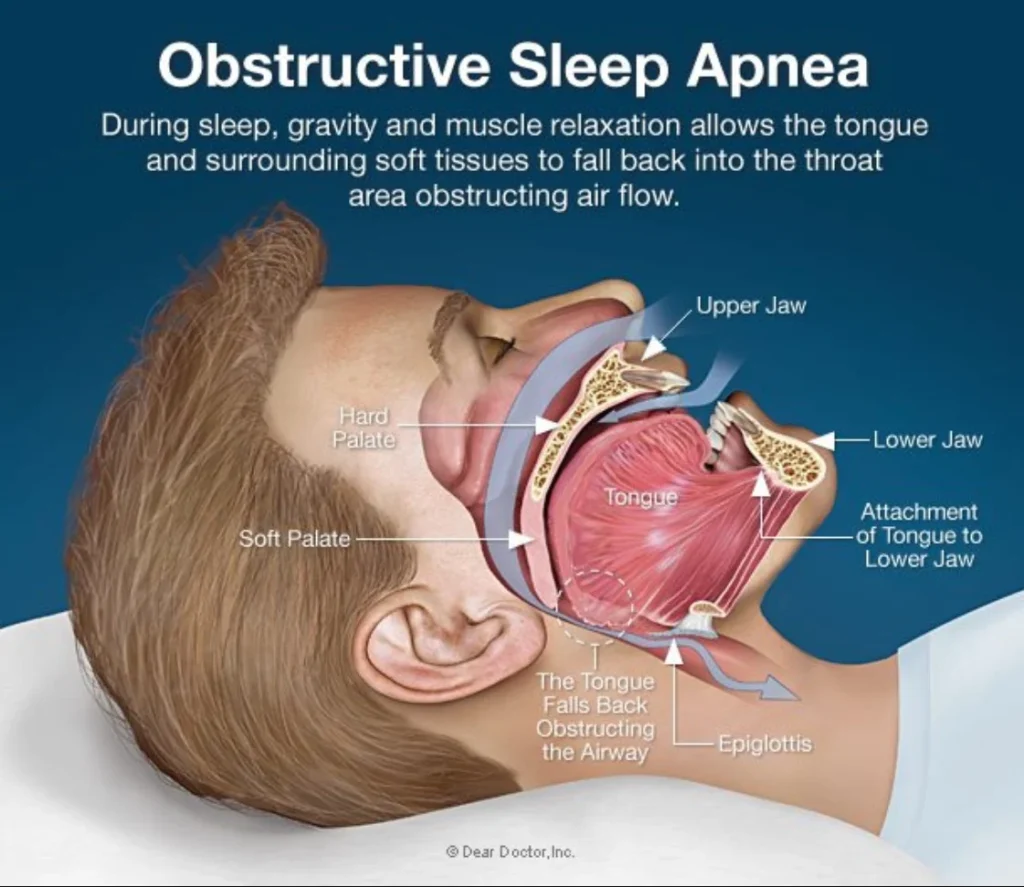
Snoring isn’t just a noise problem. It can be a sign that airflow is partly blocked during sleep. In more serious cases, it may connect to obstructive sleep apnea (OSA), a condition that’s been discussed in recent health coverage because untreated OSA is linked with broader health risks.
If you want the general context people are referencing lately, skim this Preventing Alzheimer’s disease and dementia by treating obstructive sleep apnea. The takeaway: if you suspect sleep apnea, it’s worth treating seriously and discussing with a clinician.
Timing: When a mouthpiece makes sense (and when to skip DIY)
A mouthpiece is often a reasonable first step when snoring seems position-related (worse on your back), happens more after alcohol, or spikes during travel fatigue and congestion. It’s also popular for couples who want a quick, quiet change without turning the bedroom into a lab of wearables and chargers.
Don’t “power through” these red flags
Skip self-experimenting if you have frequent choking/gasping, witnessed breathing pauses, intense daytime sleepiness, morning headaches, or high blood pressure concerns. Those are common reasons to ask a doctor about OSA and treatment options.
Supplies: The no-waste starter kit
- A quality mouthpiece designed for snoring (not a sports mouthguard).
- A case that ventilates (helps with odor and hygiene).
- Gentle cleaner (follow the product directions; avoid harsh chemicals).
- Notebook note or phone note to track snoring, sleep quality, and comfort for 7–14 nights.
If you’re comparing options, start here: anti snoring mouthpiece.
Step-by-step (ICI): A simple plan you can actually follow
This approach keeps it practical: Identify the pattern, Customize the fit, Iterate based on what your body tells you.
I — Identify your snoring pattern for one week
Before you change anything, note what nights are worst. Common triggers include back-sleeping, alcohol close to bedtime, nasal stuffiness, and late meals. If your partner reports pauses in breathing, write that down. It matters.
C — Customize fit carefully (comfort beats “tight”)
Follow the mouthpiece’s fitting instructions exactly. A good fit should feel secure but not painful. If you wake up with sharp jaw pain, that’s not “normal adjustment.” It’s a sign to refit, reduce advancement (if adjustable), or stop.
I — Iterate with small changes, not nightly overhauls
Give each adjustment a few nights. Track three things: snoring volume (partner report or app), morning jaw/teeth comfort, and daytime alertness. The goal is fewer disruptions and better sleep quality, not a heroic tolerance test.
Mistakes that waste a whole sleep cycle
Trying to “stack” every sleep trend at once
It’s tempting to add tape, sprays, pillows, gadgets, and supplements in one week. That makes it hard to tell what helped. Keep it boring and trackable.
Ignoring daytime symptoms
If you’re dragging through meetings, relying on extra caffeine, or feeling unusually irritable, don’t chalk it up only to stress. Poor sleep quality has real daytime costs, and OSA is one possible reason.
Using the wrong product (sports guard ≠ snoring device)
A sports mouthguard protects teeth. Many anti-snoring mouthpieces aim to support jaw or tongue positioning to keep airflow more open. Using the wrong type often leads to discomfort with little benefit.
Letting relationship humor hide a health signal
Couples joke about snoring because it’s awkward. Still, loud chronic snoring plus gasping or breathing pauses deserves a real conversation and, often, a medical check.
FAQ: Quick answers people are searching right now
What does an anti snoring mouthpiece actually do?
Many designs gently reposition the lower jaw or stabilize the tongue to reduce airway narrowing during sleep. That can lower vibration and noise for some snorers.
Will a mouthpiece help with obstructive sleep apnea?
Some oral appliances are used in OSA care, but that decision should be guided by a clinician. If you suspect OSA, ask about testing and treatment options rather than guessing.
What’s a realistic success metric?
Look for fewer wake-ups, less partner disturbance, and better daytime energy over 2–3 weeks. “Perfect silence” is nice, but improved sleep quality is the real win.
Can I use it every night?
Many people do, as long as it remains comfortable and they maintain good hygiene. Ongoing jaw pain, bite changes, or tooth discomfort are reasons to pause and get advice.
CTA: A practical next step (without overthinking it)
If snoring is hijacking your sleep and you want a budget-friendly, at-home option to try first, start with a mouthpiece and track your results for two weeks. If red flags show up, move the problem to the medical lane and ask about OSA evaluation.
How do anti-snoring mouthpieces work?
Medical disclaimer: This article is for general education only and isn’t medical advice. It doesn’t diagnose, treat, or replace care from a qualified clinician. If you suspect obstructive sleep apnea or have significant daytime sleepiness, choking/gasping at night, or other concerning symptoms, seek professional evaluation.