
Myth: Snoring is just “annoying noise.”
Reality: Snoring often signals disrupted airflow, and that can chip away at sleep quality for both people in the bed.
Right now, sleep is having a moment. People are buying sleep trackers, experimenting with “bedtime routines,” and joking online about the nightly snore negotiations. Add travel fatigue, packed calendars, and workplace burnout, and it’s no surprise that many households are looking for the fastest, most practical fix that doesn’t waste a whole month.
Start here: the 60-second snoring reality check
Snoring has lots of causes. Some are simple, like nasal stuffiness or sleeping on your back. Others can be more serious, including obstructive sleep apnea (OSA), which is why major health outlets keep emphasizing symptoms and when to seek care.
If you want a useful framework, skim a list of Top Questions to Ask Your Doctor About OSA Treatment. It helps you show up prepared if snoring comes with bigger red flags.
A practical decision guide (If…then…)
Use this like a choose-your-next-step flowchart. The goal is simple: improve sleep quality with the least hassle first, while not ignoring warning signs.
If snoring is occasional (sick days, allergies, travel)
Then: try quick, low-cost changes for 3–7 nights.
- Sleep on your side (a pillow “barrier” can help you stay there).
- Address nasal congestion (saline rinse, humidity, or other OTC options as appropriate).
- Avoid alcohol close to bedtime; it can relax airway tissues.
- Protect your schedule. Travel fatigue plus late nights is a classic snore trigger.
If the snoring fades when the trigger fades, you likely don’t need gear. Keep the plan for your next trip.
If snoring is frequent and your partner is losing sleep
Then: consider an anti snoring mouthpiece as a practical at-home trial.
Why people are talking about mouthpieces right now: they sit in the sweet spot between “do nothing” and “turn your bedroom into a lab.” They’re also a relationship saver when the jokes stop being funny at 2 a.m.
To compare options, start with a simple product overview like anti snoring mouthpiece. Look for comfort, adjustability, and clear instructions. Budget matters, but so does fit.
If you wake up tired, foggy, or irritable even after 7–9 hours
Then: treat snoring as a sleep-quality problem, not just a sound problem.
Track patterns for two weeks: bedtime, alcohol timing, congestion, sleep position, and how you feel in the morning. This makes your next step clearer. It also helps if you decide to talk with a clinician.
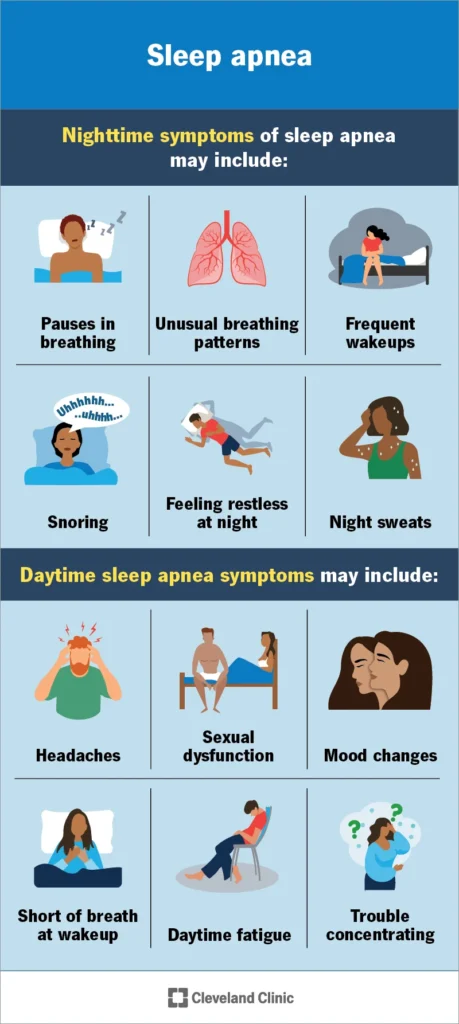
If there are red flags for sleep apnea
Then: prioritize medical evaluation.
- Breathing pauses witnessed by a partner
- Gasping/choking during sleep
- Excessive daytime sleepiness
- Morning headaches or high blood pressure concerns
Mouthpieces can still be part of a plan for some people, but OSA needs proper assessment and guidance. Don’t self-manage around the serious stuff.
How to test a mouthpiece without wasting a cycle
Give it a fair trial, but keep it structured. That’s how you avoid spending money on three gadgets and still being tired.
- Night 1–3: focus on comfort and fit. Expect some drooling or “new object” awareness.
- Night 4–10: listen for trend changes (snore volume, frequency). Ask your partner for a simple 1–10 rating.
- Stop and reassess: if you get jaw pain, tooth pain, or headaches that don’t settle quickly.
Also, don’t stack too many changes at once. If you start a mouthpiece, new pillow, nasal strips, and a new sleep supplement on the same night, you won’t know what helped.
Budget lens: what’s worth paying attention to
Marketing can be loud in the sleep space. Here’s what tends to matter more than hype:
- Fit: a mouthpiece that’s uncomfortable won’t get used.
- Adjustability: small changes can improve comfort and effectiveness.
- Materials and durability: you want something that holds shape and is easy to clean.
- Returns/support: practical policies beat bold promises.
FAQs (quick answers)
Can an anti snoring mouthpiece help with loud snoring?
It can help some people by gently repositioning the jaw or stabilizing the tongue to keep the airway more open during sleep. Results vary by the cause of snoring.
How do I know if my snoring could be sleep apnea?
Common warning signs include loud snoring plus choking/gasping, witnessed breathing pauses, and significant daytime sleepiness. If you suspect apnea, talk with a clinician for proper evaluation.
Are boil-and-bite mouthpieces worth trying first?
Many people start there because they’re more affordable and can be fitted at home. Comfort and durability can vary, so check fit, return policies, and adjustability.
How long does it take to get used to a mouthpiece?
Some people adapt in a few nights, while others need a couple of weeks. If you have persistent jaw pain, tooth pain, or headaches, stop and get professional guidance.
What else can I do tonight to reduce snoring?
Side-sleeping, limiting alcohol close to bedtime, treating nasal congestion, and keeping a consistent sleep schedule can help. These steps also support overall sleep quality.
CTA: pick the next step that matches your nights
If snoring is frequent and you want a practical, at-home option, a mouthpiece is a reasonable place to start—especially when sleep quality is slipping and patience is thin.
How do anti-snoring mouthpieces work?
Medical disclaimer: This article is for general education and is not medical advice. Snoring can be a sign of obstructive sleep apnea or other health conditions. If you have breathing pauses, choking/gasping, severe daytime sleepiness, or other concerning symptoms, seek evaluation from a qualified clinician.