
Myth: Snoring is just a harmless noise.
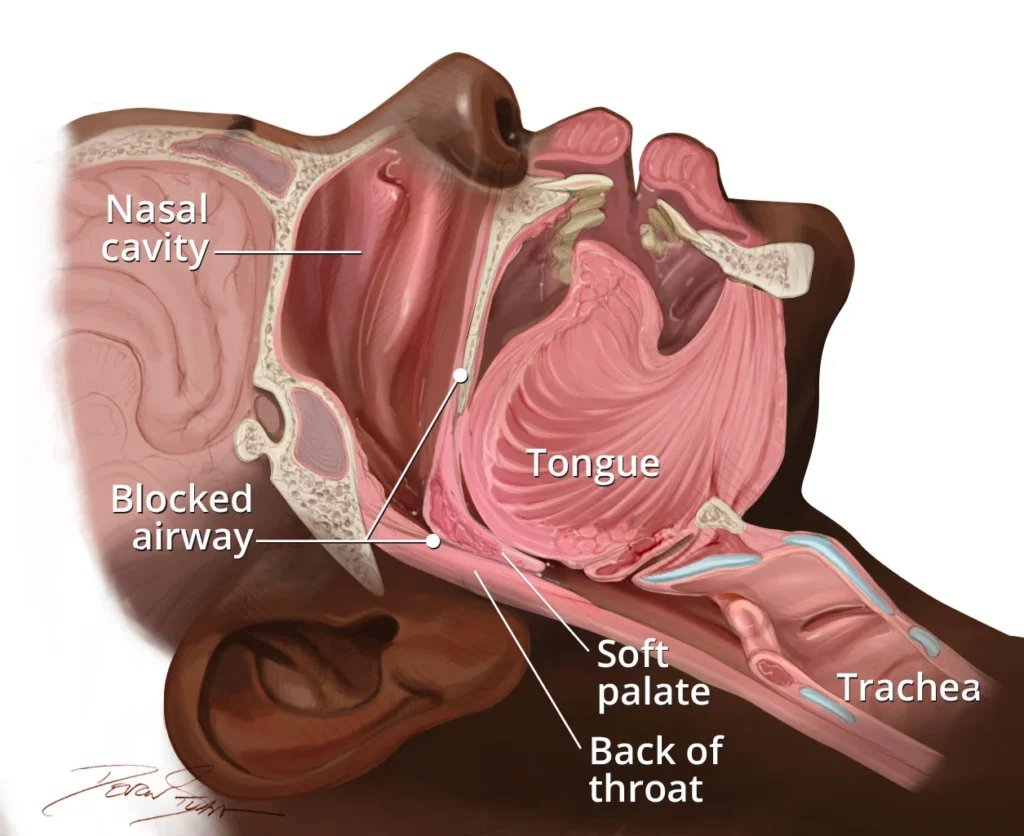
Reality: Snoring can be a sign your airflow is getting cramped, which can fragment sleep for you and anyone within earshot. That’s why “sleep resets,” new gadgets, and relationship-friendly fixes keep trending—especially when people are juggling travel fatigue, workplace burnout, and the classic “who’s keeping who awake?” humor.
Overview: why snoring is suddenly everyone’s hobby
Sleep advice is having a moment. You’ll see talk about rebuilding sleep drive, protecting circadian rhythm, cleaning up sleep hygiene, and calming pre-bed overthinking. You’ll also see more connected sleep tech, including oral appliances that fit into broader care ecosystems.
Where does an anti snoring mouthpiece fit? It’s a tool, not a personality. When it’s a good match, it can reduce snoring by improving nighttime airway space—often by gently moving the lower jaw forward.
Quick safety note: Snoring can overlap with sleep apnea. If you suspect apnea, don’t self-manage it in the dark. Read up on Here are five behavioral and psychological tips for a fresh start toward better sleep in the new year, spanning five categories — sleep drive, circadian rhythm, sleep hygiene, overthinking and pre-bed activity. https://wapo.st/3MQgP1D and consider a clinician evaluation if red flags show up.
Timing: when to try a mouthpiece (and when to pause)
Good times to test
Try a mouthpiece when snoring is consistent, position-related (often worse on your back), or causing real sleep disruption. It’s also a practical option when you want something simpler than a full tech stack of trackers, apps, and “smart” everything.
Hit pause and get checked if…
Seek medical guidance if you have loud snoring plus choking/gasping, witnessed breathing pauses, significant daytime sleepiness, morning headaches, or high blood pressure concerns. Those can point to sleep apnea, which deserves proper assessment.
Supplies: your simple setup (no gadget pile required)
- Mouthpiece: A well-reviewed option designed for snoring. If you’re comparing styles, start here: anti snoring mouthpiece.
- Mirror + good lighting: Helps with fit checks and spotting rough edges.
- Soft toothbrush and mild soap: For daily cleaning (skip harsh chemicals unless the product instructions say otherwise).
- Storage case: Keeps it dry and protected, especially during travel.
- Optional comfort helpers: Lip balm (dry mouth happens), saline spray for congestion, and a water bottle.
Step-by-step (ICI): Insert → Check → Improve
This is the “tools and technique” part. The goal is a stable, comfortable fit that supports airflow without turning your jaw into a project.
1) Insert: set yourself up for comfort
Wash your hands. Rinse the mouthpiece. Then insert it according to the product directions.
If it’s a moldable style, follow the timing carefully. Don’t rush the cooling step. A sloppy mold often becomes a nightly annoyance.
2) Check: confirm position and breathing
- Jaw feel: You should feel supported, not forced. Mild pressure is common. Sharp pain is not.
- Seal and stability: It shouldn’t pop loose when you relax your face.
- Breathing test: Take slow breaths through your nose, then your mouth. You want easy airflow, not strain.
Pro tip for couples: do a quick “sound check” on a quiet night. It’s less awkward than a 2 a.m. nudge-and-complain cycle.
3) Improve: small tweaks beat big jumps
If your mouthpiece allows adjustment, change one setting at a time. Give each change a few nights before deciding it “doesn’t work.”
Pair it with basics people keep talking about in sleep trend roundups: consistent wake time, dimmer evenings, and a short wind-down that stops doomscrolling from hijacking your brain.
Mistakes that make mouthpieces feel “bad” (when it’s fixable)
Going full-send on night one
Start with a shorter wear window if you’re sensitive. Build up over several nights. Comfort drives consistency.
Ignoring jaw or tooth pain
Soreness can happen early. Persistent pain, tooth movement concerns, or jaw clicking should be taken seriously. Stop and ask a dentist or sleep clinician for guidance.
Using it while congested without a backup plan
Travel fatigue plus dry hotel air can turn mild snoring into a bigger issue. Hydrate, consider nasal support, and keep expectations realistic on rough nights.
Skipping cleanup (then blaming the device)
Daily rinse and gentle brushing prevent odor and buildup. Let it dry fully in its case. A “gross” mouthpiece quickly becomes an unused mouthpiece.
FAQ: quick answers people actually want
Is snoring always a medical problem?
No. But it can signal narrowed airflow, and it can overlap with sleep apnea. If symptoms suggest apnea, get evaluated.
Will a mouthpiece fix snoring from alcohol or late meals?
It may reduce snoring, but those triggers can still worsen airway collapse and sleep fragmentation. The best results usually come from combining the tool with smarter timing.
What if my partner snores too?
Handle it like a shared sleep project, not a blame game. Test one change at a time so you know what’s helping.
CTA: make the next step easy
If snoring is stealing your sleep quality, you don’t need a full gadget ecosystem to start. You need a comfortable plan and a tool you’ll actually use.
How do anti-snoring mouthpieces work?
Medical disclaimer: This article is for general education and is not medical advice. It does not diagnose, treat, or cure any condition. If you suspect sleep apnea or have persistent symptoms, seek evaluation from a qualified clinician.