
Snoring isn’t just “noise.” It’s often the soundtrack to broken sleep, grumpy mornings, and that low-key workplace burnout feeling that hits by 2 p.m.
And yes, it can turn a relationship into a nightly comedy sketch: one person “just resting their eyes,” the other pricing earplugs like they’re luxury tech.
If you want a practical, budget-first way to improve sleep quality at home, an anti snoring mouthpiece can be a smart first experiment—while you keep sleep apnea on your radar.
Is snoring actually hurting sleep quality (or just annoying)?
Snoring can be both. Even when the snorer feels “fine,” the bed partner may get fragmented sleep from noise and micro-awakenings.
For the snorer, the bigger issue is what the snore may represent: narrowed airflow and extra effort to breathe at night. That can leave you feeling unrefreshed, even after a full night in bed.
Quick reality check: signs your sleep may be taking a hit
- You wake up with a dry mouth, sore throat, or headache.
- You feel sleepy during meetings, commuting, or mid-afternoon.
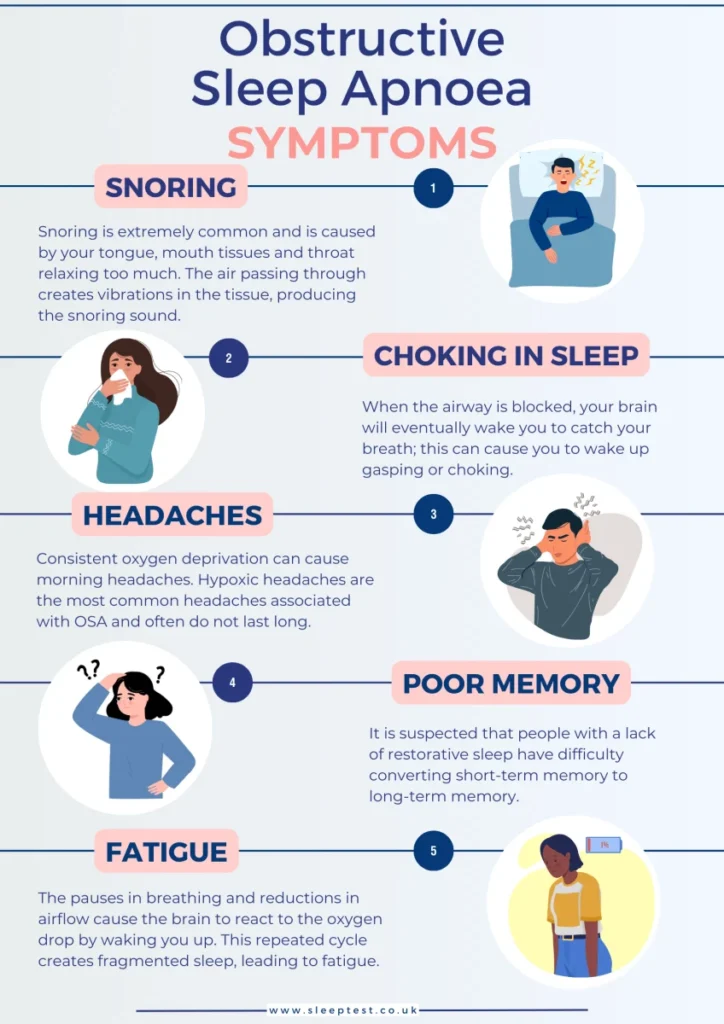
- Your partner reports pauses, choking, or gasping.
- You wake up often, even if you don’t fully remember it.
If those symptoms sound familiar, don’t self-label. Use them as prompts for a medical conversation.
When should you worry about sleep apnea vs “regular” snoring?
Snoring is common. Obstructive sleep apnea (OSA) is also common, and it’s not always obvious. General medical guidance often highlights symptoms like loud snoring, witnessed breathing pauses, and daytime sleepiness as reasons to get evaluated.
Instead of doom-scrolling gadget reviews at midnight, write down what’s happening and bring it to a clinician. You’ll get to answers faster.
Questions worth asking at an appointment (so you don’t waste the visit)
- Do my symptoms suggest I need a sleep study?
- If it is OSA, what are the treatment options for my severity and anatomy?
- How will we measure improvement (snoring, sleepiness, AHI, oxygen levels)?
- Could an oral appliance be appropriate for me?
- What side effects should I watch for (jaw soreness, bite changes, dryness)?
Do anti-snoring mouthpieces really work, and for who?
They can work well for the right person, especially when snoring relates to jaw position and a narrowed airway during sleep. Mouthpieces generally aim to keep the airway more open by gently repositioning the lower jaw forward.
They’re also popular because they’re simple. No charging cable. No app updates. No “smart” ring telling you you’re tired after you already feel tired.
People who often do well with a mouthpiece trial
- Back sleepers who snore more on nights they end up on their back.
- Travelers whose snoring spikes with hotel pillows, jet lag, or congestion.
- Couples who want a quiet, low-drama first step before bigger interventions.
- Anyone who wants a budget test before committing to pricier solutions.
When a mouthpiece may not be the right “DIY” move
- You have jaw pain, TMJ issues, or major dental problems.
- You suspect moderate-to-severe sleep apnea and haven’t been evaluated.
- You can’t breathe well through your nose most nights.
What’s new in sleep health talk right now (and what to ignore)?
Sleep is having a moment. Wearables score your “readiness.” Social feeds push mouth tape, nasal strips, and every kind of pillow geometry. At the same time, headlines keep circling back to sleep apnea awareness and oral appliances that connect into broader care.
That doesn’t mean every gadget is worth your money. The goal is fewer wake-ups and better mornings, not a more complicated bedside table.
If you want a general read on the trend toward monitored oral appliance options, see this related coverage: Top Questions to Ask Your Doctor About OSA Treatment.
How do you try an anti snoring mouthpiece without wasting a cycle?
Keep the experiment tight. Pick one variable, track results, and stop if it’s clearly not working.
A simple 7-night test plan
- Night 1–2: Focus on comfort and fit. Mild soreness can happen early on.
- Night 3–5: Track snoring volume (partner rating 1–10 or a basic recording).
- Night 6–7: Track morning outcomes: headache, dry mouth, sleepiness, mood.
Also note the obvious snore boosters: alcohol close to bedtime, heavy late meals, and congestion. If those change night to night, your results will look random.
What “success” looks like
- Snoring is noticeably quieter or less frequent.
- You (and your partner) wake up fewer times.
- You feel more alert without needing extra caffeine.
Which features matter most when shopping?
Skip the hype words. Look for practical fit, comfort, and a setup you’ll actually use when you’re exhausted.
Short list of features that usually matter
- Fit approach: boil-and-bite style vs clinician-fitted options.
- Jaw comfort: too aggressive can equal soreness and zero adherence.
- Breathability: especially if you get dry mouth.
- Staying power: if it falls out at 3 a.m., it’s not a solution.
If you want a combo approach that targets mouth position and helps keep things stable, you can look at an anti snoring mouthpiece.
What else improves sleep quality while you’re fixing snoring?
Think of snoring as one piece of sleep health, not the whole puzzle. Better sleep also comes from boring consistency, which is why it’s so hard during travel weeks and high-stress seasons.
Low-effort upgrades that pair well with mouthpiece trials
- Side-sleeping support (body pillow or backpack trick).
- Nasal support if you’re congested (saline, humidity, allergy plan from your clinician).
- A consistent wind-down to reduce “wired but tired” nights.
- Caffeine cutoff earlier in the day.
Medical disclaimer (read this)
This article is for general information only and is not medical advice. Snoring can be a sign of obstructive sleep apnea or other health issues. If you have loud snoring with choking/gasping, daytime sleepiness, high blood pressure, or other concerning symptoms, seek evaluation from a qualified clinician.
CTA: get a clear answer fast
If your goal is quieter nights without overthinking it, start with a simple plan and track what changes. If red flags show up, book the appointment and bring your notes.