
Is your snoring wrecking your sleep quality?
Are you buying sleep gadgets and still waking up tired?
Do you want a practical, at-home fix that doesn’t waste another week?
If you said yes, you’re not alone. Sleep is having a cultural moment. People are talking about “new year” resets, mental-health routines, wearable sleep scores, and travel fatigue. Meanwhile, snoring is still the punchline in relationship jokes—until it becomes the reason someone moves to the couch. This guide keeps it simple and budget-minded: use an if-then decision path to figure out whether an anti snoring mouthpiece makes sense, what to try first, and when to stop DIY and get help.
Fast decision guide: If…then… (no fluff)
If your snoring is occasional, then start with the cheapest fixes
If snoring shows up after late nights, a few drinks, or a brutal workweek, treat it like a “sleep debt” signal first. Burnout and overthinking can push bedtime later, shorten sleep drive, and increase lighter sleep stages. That can make snoring feel louder and more frequent.
- Then do this tonight: side-sleeping, earlier wind-down, and a cooler, darker room.
- Then do this for 7 days: consistent wake time, less alcohol near bedtime, and fewer screens right before sleep.
If your snoring fades, you may not need a device. If it sticks around, keep going.
If your partner reports “engine-level” snoring, then think airflow + position
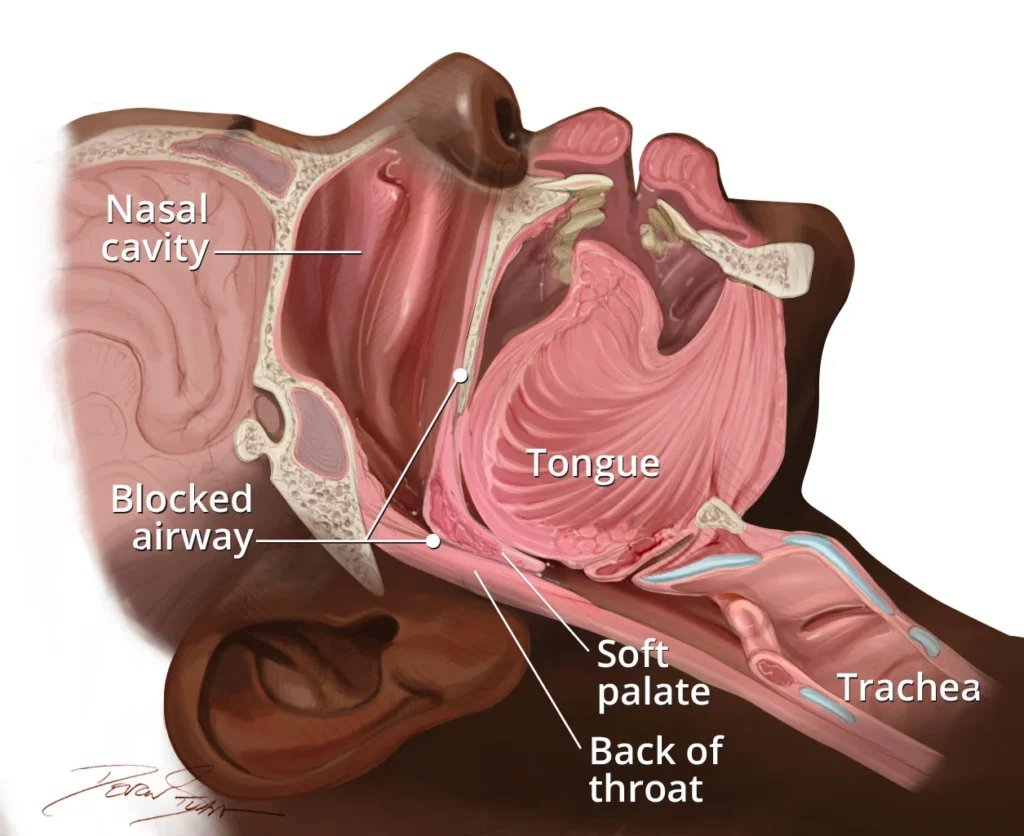
Many people snore more when they sleep on their back or when the jaw relaxes and the airway narrows. That’s where mouthpieces enter the chat. They’re also trending because they’re simpler than many “smart” sleep gadgets. No charging. No app. Just mechanics.
- Then consider: an anti-snoring mouthpiece designed to support airflow by changing jaw or tongue position.
- Then set expectations: comfort and fit matter as much as the idea itself.
If you wake up tired, then don’t treat snoring as “just noise”
Snoring can be a nuisance, but it can also be a clue. Some headlines lately have emphasized the link between sleep-disordered breathing and broader health, including heart-related concerns. You don’t need to panic, but you also shouldn’t ignore persistent symptoms.
If you suspect something more serious, read up on Here are five behavioral and psychological tips for a fresh start toward better sleep in the new year, spanning five categories — sleep drive, circadian rhythm, sleep hygiene, overthinking and pre-bed activity. https://wapo.st/3MQgP1D and consider talking to a clinician if red flags apply.
If you notice gasping, choking, or pauses, then skip the “try everything” phase
When someone reports breathing pauses, loud snoring most nights, or daytime sleepiness that affects work and driving, it’s time for medical guidance. A mouthpiece may still be part of a plan, but you’ll want the right plan.
- Then do this: schedule a medical evaluation or ask about a sleep study.
- Then avoid: assuming a new pillow or mattress alone will solve it.
If you want a low-hassle, at-home option, then compare mouthpiece types
People like mouthpieces because they’re portable (hello, travel fatigue) and they don’t require a full bedroom overhaul. But not all designs feel the same.
- If you want jaw-position support, then look at: mandibular-advancement styles that gently hold the lower jaw forward.
- If you’re sensitive to jaw pressure, then consider: designs focused on tongue positioning or comfort features.
- If you hate bulky gear, then prioritize: slimmer profiles and adjustable fit.
To see a range of consumer-focused options, review anti snoring mouthpiece and compare comfort, adjustability, and care requirements.
Quick reality checks before you buy
Comfort beats “most popular”
A mouthpiece that sits in a drawer does nothing. Comfort, fit, and the ability to breathe easily through your nose matter more than hype.
Snoring can be multi-factorial
Snoring often stacks causes: nasal congestion, sleep position, alcohol, stress, and inconsistent sleep schedules. That’s why “new year sleep resets” keep showing up in the conversation. Devices help, but routines still count.
Track results like a minimalist
You don’t need a dozen dashboards. Use a simple checklist for two weeks: snoring reports, morning dryness, daytime energy, and how often you wake up. That’s enough to know if you’re moving in the right direction.
FAQ (fast answers)
Do anti-snoring mouthpieces work for everyone?
No. They may help when snoring is related to jaw/tongue position and airflow. They may not be sufficient for sleep apnea or other causes.
How long does it take to notice results?
Some people notice changes within days. Others need a couple of weeks to adapt and fine-tune fit.
Can a mouthpiece improve sleep quality if I sleep alone?
It can. Less snoring may mean fewer micro-awakenings for some people, plus less dry mouth.
What are signs I should get checked for sleep apnea?
Loud habitual snoring, witnessed pauses, gasping, and significant daytime sleepiness are common red flags. A clinician can help you decide next steps.
What if my snoring is worse when I travel?
Jet lag, hotel pillows, back-sleeping, and alcohol can all contribute. Consistent sleep timing and a portable mouthpiece may help, but persistent symptoms deserve medical attention.
CTA: Get an answer without overcomplicating it
If you want a practical, at-home step that doesn’t require a new mattress, a new app, and a new morning routine, a mouthpiece is a reasonable place to focus. Start with comfort and fit, then judge results over two weeks.
How do anti-snoring mouthpieces work?
Medical disclaimer: This article is for general education only and isn’t medical advice. Snoring can be a sign of sleep apnea or other health conditions. If you have choking/gasping, witnessed breathing pauses, chest pain, severe daytime sleepiness, or concerns about your heart or breathing, seek care from a qualified clinician.